
- October 31, 2025
- Posted by: feinuojixie
- Category: Injection Molding News
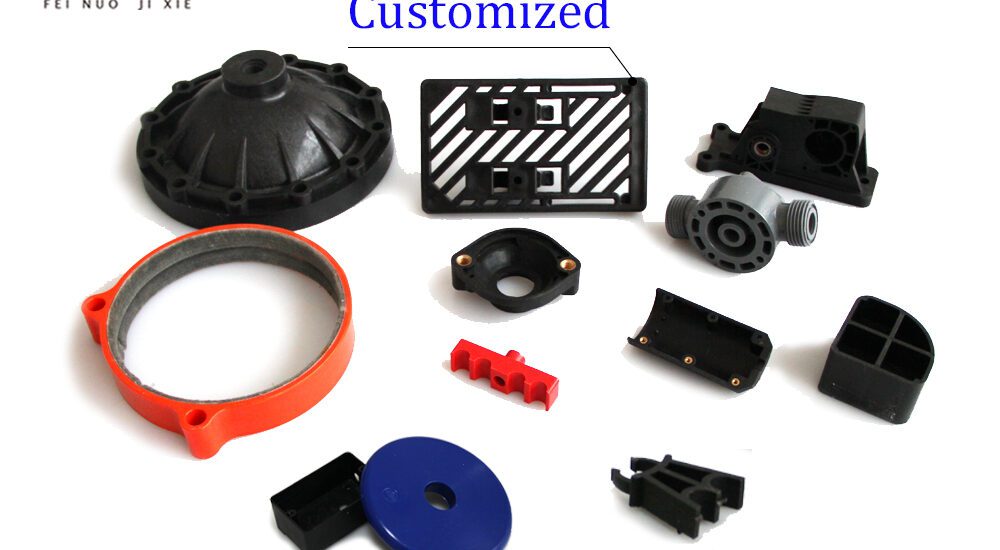
In today’s world, where plastic components are found in nearly every product we use, understanding the basics of a plastic injection molding part is essential. This manufacturing process plays a central role in creating durable, precise, and cost-effective components across countless industries—from automotive and electronics to healthcare and packaging. For beginners, learning how plastic injection molding works offers valuable insight into one of the most efficient and versatile production techniques available today.
At its core, the process involves injecting molten plastic into a carefully designed mold to produce parts with exact dimensions and excellent surface finishes. Whether it’s a car dashboard, a medical syringe, or a phone casing, all of these items share one thing in common—they begin as plastic injection molding parts designed with precision and purpose.
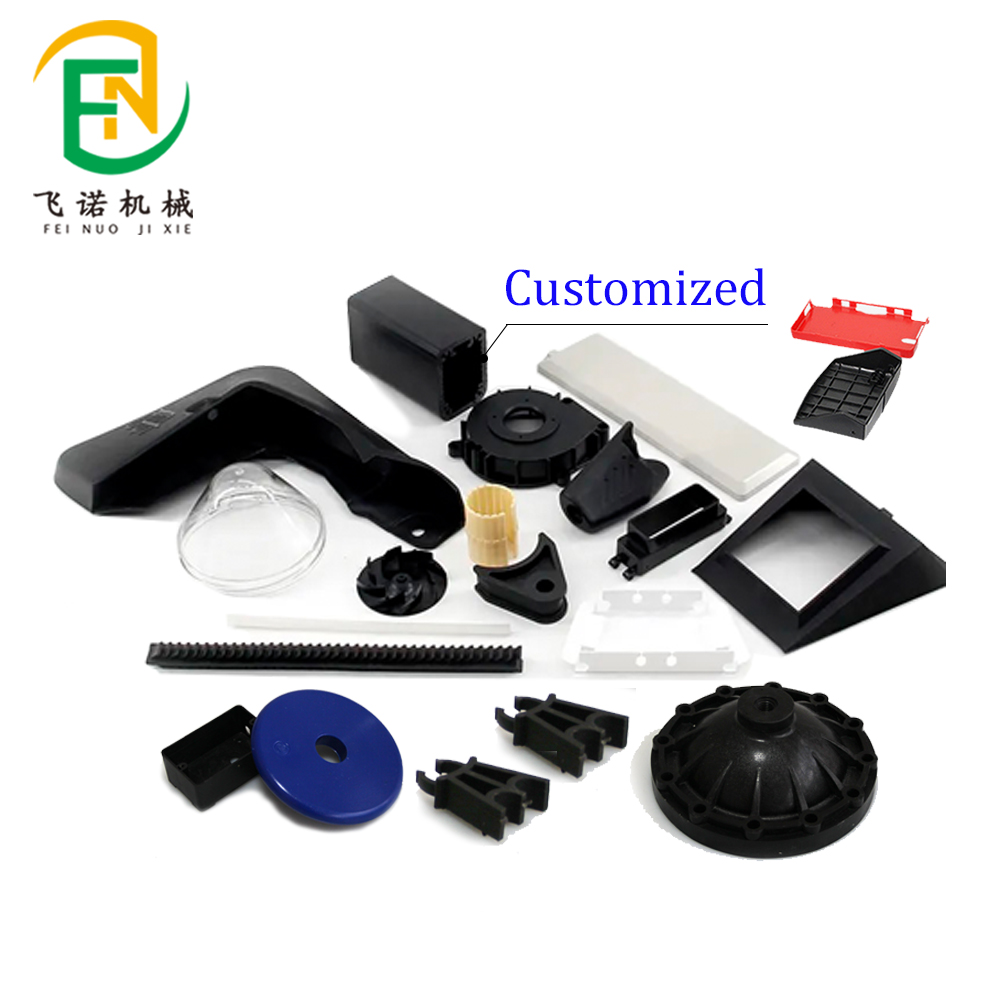
What Is a Plastic Injection Molding Part?
A plastic injection molding part is a component produced through a manufacturing process that uses heat, pressure, and precision molds to shape molten plastic into specific forms. The process begins with plastic pellets—usually thermoplastics—being fed into a heated barrel where they melt. This molten plastic is then injected under high pressure into a metal mold cavity. Once cooled and solidified, the mold opens to release a perfectly shaped part.
What makes this process so valuable is its ability to produce identical parts in large quantities while maintaining exceptional accuracy. From tiny clips used in electronics to large panels in vehicles, the plastic injection molding process can create nearly any shape imaginable. Its repeatability, cost efficiency, and precision make it the foundation of modern plastic part manufacturing.
The History and Evolution of Plastic Injection Molding
The origins of plastic injection molding can be traced back to the late 19th century when early inventors sought ways to replace ivory with synthetic materials. The first injection molding machine was patented in 1872, using a basic plunger mechanism. Over the decades, the process evolved dramatically.
The introduction of thermoplastics in the 1940s revolutionized the industry, allowing for greater flexibility and consistency in part production. In the 1980s and 1990s, computer-controlled machines (CNC) and automation brought unprecedented precision. Today, advanced robotics, AI-driven monitoring systems, and eco-friendly materials continue to push the boundaries of what’s possible with plastic injection molding parts. The evolution of this technology mirrors the broader progress of modern manufacturing—faster, smarter, and more sustainable.
Key Components of Plastic Injection Molding Equipment
To understand how a plastic injection molding part is made, it’s important to know the main components of the equipment involved:
-
The Mold
The mold defines the final shape of the part. It’s typically made from hardened steel or aluminum and includes cavities, runners, and cooling channels. A well-designed mold ensures consistent part dimensions and surface quality. -
The Injection Unit
This unit melts the plastic pellets and injects the molten material into the mold cavity. It consists of a hopper, barrel, and screw that precisely control temperature and pressure throughout the process. -
The Clamping Unit
The clamping system holds the mold halves together during injection. It must apply enough force to resist the high pressure of molten plastic, ensuring the mold remains tightly sealed. -
Auxiliary Systems
Cooling systems regulate the mold temperature, while ejector systems push out the finished part once it solidifies. Temperature control units and dryers ensure optimal processing conditions and material consistency.
Each of these components works in harmony to produce plastic injection molding parts with high precision and reliability.
Materials Used in Plastic Injection Molding Part
The choice of material directly affects the performance, appearance, and cost of a plastic injection molding part. The most common materials include:
-
ABS (Acrylonitrile Butadiene Styrene): Known for toughness and impact resistance, commonly used in consumer electronics and automotive components.
-
Polycarbonate (PC): Offers high transparency and strength, suitable for lenses and safety gear.
-
Polypropylene (PP): Lightweight and flexible, ideal for packaging and household goods.
-
Nylon (PA): Excellent wear resistance, used in gears and mechanical parts.
When selecting material, engineers consider factors such as strength, chemical resistance, thermal stability, and surface finish. In recent years, there’s a growing interest in using recycled and biodegradable plastics, helping manufacturers meet sustainability goals while maintaining quality.
Step-by-Step Process of Creating Plastic Injection Molding Part
-
Design and Prototyping
The process begins with a computer-aided design (CAD) model. Engineers analyze the design for manufacturability, ensuring proper wall thickness, draft angles, and flow paths. A prototype may be created using 3D printing for testing before full production. -
Mold Fabrication
Once the design is finalized, precision molds are manufactured using CNC machining or electrical discharge machining (EDM). Molds must be durable, with smooth surfaces and accurate cavities. -
Injection Process
Plastic pellets are melted in the injection unit and injected into the mold at high pressure. The molten plastic fills every cavity and detail of the mold. -
Cooling and Ejection
After injection, the mold cools to solidify the plastic. Cooling time depends on material and wall thickness. Once cooled, the mold opens, and ejector pins push out the finished part. -
Quality Inspection
Each part undergoes quality checks to detect defects such as warping, bubbles, or incomplete fills. Dimensional accuracy is verified using precision measuring tools.
This carefully controlled process ensures each plastic injection molding part meets strict performance and aesthetic standards.
Common Defects and How to Avoid Them in Plastic Injection Molding Part
Despite its precision, the process can encounter issues if not properly managed. Common defects include:
-
Warping: Uneven cooling can cause distortion. Using uniform wall thickness and optimized cooling channels helps prevent this.
-
Sink Marks: Caused by excessive material shrinkage; can be reduced by adjusting injection pressure or cooling time.
-
Flash: Occurs when molten plastic seeps out of the mold; tightening the clamping force or repairing the mold can fix this.
-
Short Shots: Incomplete filling of the mold cavity due to low pressure or poor venting.
By closely monitoring process parameters and maintaining equipment, manufacturers can consistently produce flawless plastic injection molding parts.
Advantages of Plastic Injection Molding Part
Plastic injection molding offers several advantages that make it the preferred method for producing plastic components:
-
High Efficiency: Once molds are created, thousands of parts can be produced quickly with minimal labor.
-
Precision and Consistency: The process ensures accurate replication of even the most complex geometries.
-
Cost-Effectiveness: The initial mold investment is offset by low per-unit costs in mass production.
-
Design Flexibility: Allows integration of textures, colors, and inserts directly into the part.
-
Material Versatility: Compatible with a wide range of plastics for various applications.
These advantages explain why plastic injection molding parts are vital in so many modern products.
Applications of Plastic Injection Molding Part in Various Industries
Plastic injection molding parts are used in nearly every industry today:
-
Automotive: Dashboards, bumpers, and interior trims rely on injection-molded precision and durability.
-
Medical: Components like syringes, diagnostic housings, and surgical instruments require high cleanliness and accuracy.
-
Consumer Electronics: Casings for phones, laptops, and appliances depend on smooth finishes and tight tolerances.
-
Packaging: Lightweight yet sturdy containers and closures benefit from cost-effective molding.
-
Industrial and Aerospace: Custom components designed for performance and resistance to stress.
The adaptability of the process allows manufacturers to meet diverse requirements, from high aesthetics to high performance.
Future Trends in Plastic Injection Molding Part
The future of plastic injection molding is shaped by innovation and sustainability. Some key trends include:
-
Smart Manufacturing: AI and IoT-enabled machines monitor production in real time, improving efficiency and reducing waste.
-
Recycled and Bio-Based Materials: Growing demand for eco-friendly plastics encourages circular production practices.
-
3D Printing Integration: Hybrid methods combine additive manufacturing with injection molding to accelerate prototyping and reduce costs.
-
Energy Efficiency: Advanced cooling systems and servo-driven machines cut power consumption significantly.
These innovations are making the production of plastic injection molding parts more intelligent, sustainable, and precise than ever before.
Why Understanding Plastic Injection Molding Part Matters
Plastic injection molding is not just a production technique—it’s the backbone of modern manufacturing. From design and material selection to process control and quality assurance, every step requires expertise and precision. For engineers, designers, and entrepreneurs, understanding how a plastic injection molding part is made provides the foundation for developing reliable, high-quality products.
As technology continues to advance, this process will remain a cornerstone of innovation—offering endless possibilities for creativity, efficiency, and sustainability in manufacturing. Whether you’re new to the field or exploring new design opportunities, mastering the basics of plastic injection molding opens the door to a world of manufacturing potential.