
- November 4, 2025
- Posted by: feinuojixie
- Category: Injection Molding News
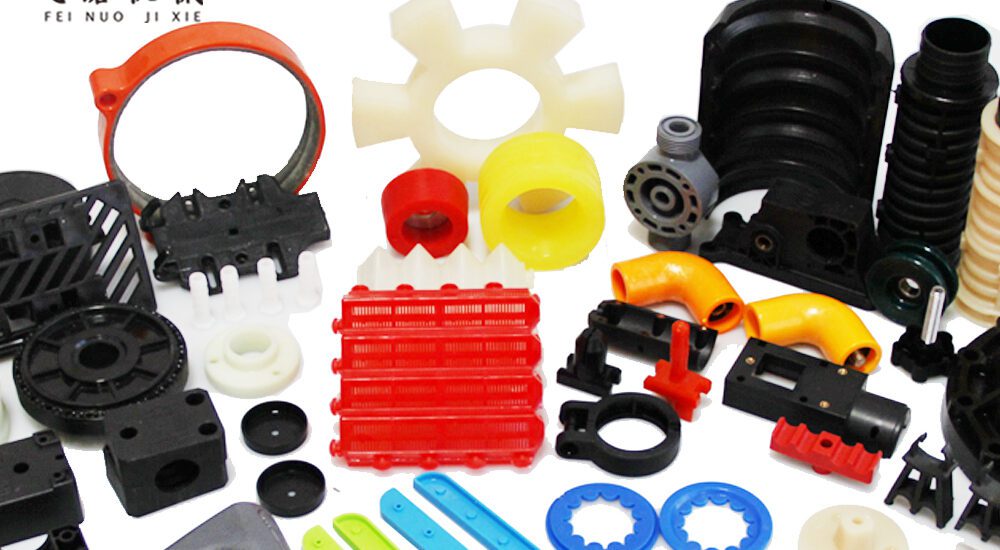
Plastic injection molding part plays an essential role in almost every industry—from automotive components and medical devices to consumer electronics and packaging. These parts often determine not only how a product looks but also how it performs under various conditions. Because they are produced in high volumes, even the smallest defect or inconsistency can lead to significant losses in efficiency, durability, or brand reputation. Ensuring quality, therefore, is not just about meeting production targets; it’s about building products that last and perform reliably over time.
The performance of each plastic injection molding part depends on several interconnected factors, including material choice, mold design, processing parameters, and environmental conditions. When these elements are well-balanced, manufacturers achieve parts that meet tight tolerances, exhibit excellent strength, and maintain consistent visual appeal. However, neglecting any one of these factors can lead to issues such as warping, cracking, or inconsistent finishes. In the sections that follow, we will explore the key factors that determine the quality and performance of plastic injection molding part and how each contributes to manufacturing excellence.
Material Selection: The Foundation of a High-Quality Plastic Injection Molding Part
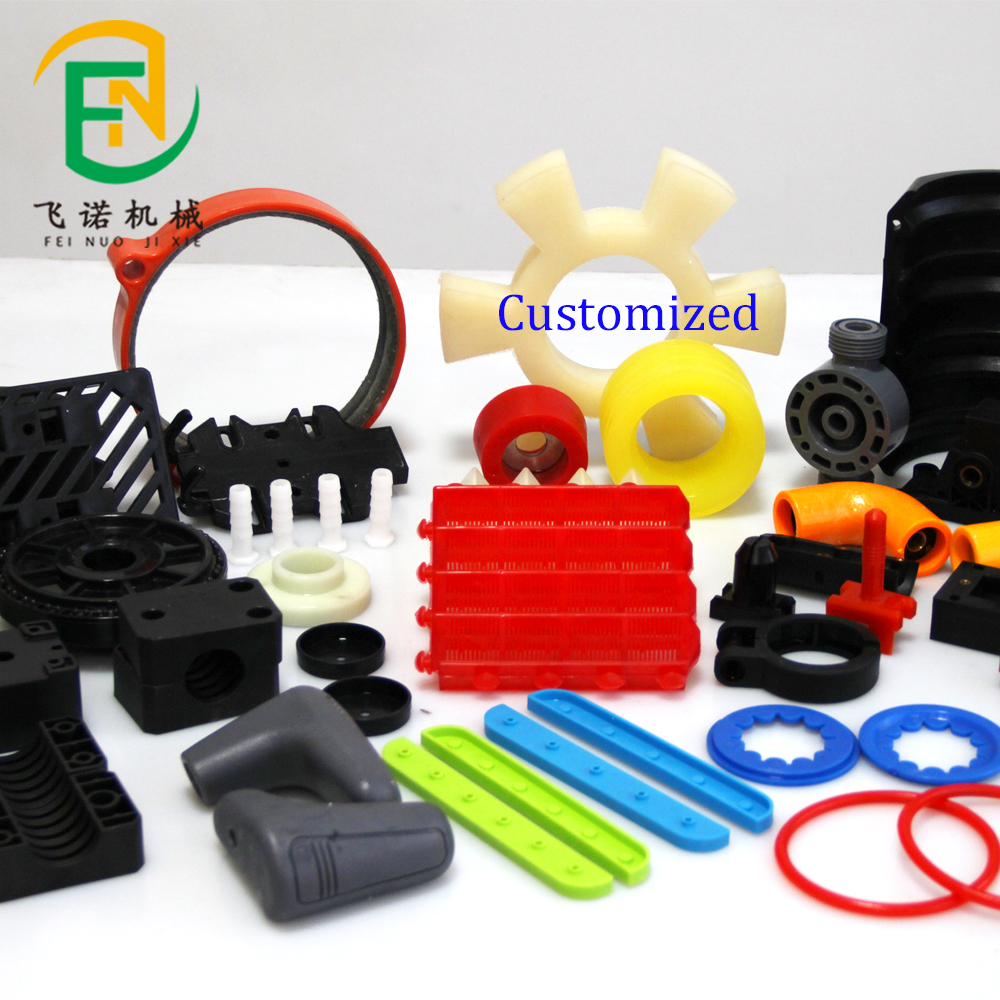
The quality of any plastic injection molding part begins with material selection. Choosing the right polymer determines how well the part performs under stress, heat, and long-term use. Each resin has distinct mechanical and chemical properties—some offer flexibility and impact resistance, while others provide rigidity and heat stability. For example, polypropylene is commonly used for lightweight and cost-effective parts, while ABS is favored for applications requiring toughness and dimensional stability.
Additives and fillers also play a critical role in enhancing material performance. Glass fibers can improve tensile strength, flame retardants can increase safety, and UV stabilizers can extend outdoor durability. However, every additive affects flow characteristics and shrinkage rates, so careful balance is essential. Selecting the right material is not just about performance—it’s also about compatibility with the mold design and production process to ensure the best possible result.
Mold Design: The Blueprint for Precision and Consistency
A well-designed mold is the foundation of a precise and consistent plastic injection molding part. The mold determines how the molten plastic flows, cools, and solidifies—factors that directly impact dimensional accuracy and surface quality. Poor mold design often results in defects such as sink marks, voids, or weld lines that compromise both appearance and function.
Key design elements like gate placement, draft angle, and venting require careful consideration. A strategically placed gate ensures balanced filling, while proper venting allows trapped air to escape, preventing burn marks and voids. Additionally, uniform wall thickness reduces the risk of warping during cooling. Mold flow analysis, a digital simulation tool, has become an essential part of modern design, enabling engineers to predict potential defects before the mold is even built.
Processing Parameters: The Heart of Plastic Injection Molding Part Quality
Even with the perfect material and mold, poor process control can destroy part quality. The injection molding process involves precise control over temperature, pressure, injection speed, and cooling rate. If any of these parameters deviate from the optimal range, defects such as flash, short shots, or warping may occur.
Temperature is particularly critical—if it’s too high, the resin can degrade; if too low, it may not fill the mold completely. Pressure and injection speed determine how evenly the material flows, while cooling rate affects dimensional stability. Achieving consistency requires monitoring and fine-tuning each cycle. Automated process control systems now play a major role in maintaining stability and minimizing human error, ensuring that every plastic injection molding part meets performance standards.
Machine Calibration and Maintenance: Keeping Precision in Check
The accuracy of a plastic injection molding machine is just as important as the mold and material. Over time, machine components such as screws, barrels, and nozzles experience wear, leading to fluctuations in pressure and temperature control. Without regular calibration, these small deviations can accumulate and cause dimensional variations in the final product.
Scheduled maintenance ensures that machines operate within their designed specifications. Lubrication, cleaning, and replacement of worn parts reduce downtime and maintain production consistency. Many advanced factories now use predictive maintenance systems that monitor machine performance and alert operators before issues arise. Keeping machinery in top condition is an often-overlooked factor that can significantly improve long-term quality and efficiency.
Environmental Factors: How Surroundings Affect Plastic Injection Molding Part Performance
The production environment has a subtle yet powerful effect on plastic injection molding part quality. Temperature fluctuations can affect resin viscosity and mold cooling rates, while humidity can introduce moisture into hygroscopic materials like nylon, leading to bubbling or poor surface finish. Contaminants such as dust or oil in the air can also cause surface defects or discoloration.
For high-precision industries such as medical or electronics manufacturing, cleanroom conditions are often necessary. These controlled environments maintain stable temperature, humidity, and cleanliness levels to prevent contamination. Controlling environmental factors helps manufacturers maintain consistent production and ensures that each part meets strict performance and cosmetic standards.
Quality Inspection and Testing: Ensuring Every Plastic Injection Molding Part Meets Standards
Once production is complete, quality inspection becomes the final line of defense. Dimensional accuracy, color consistency, surface finish, and mechanical strength must all be verified before a part is approved. Standard inspection tools include calipers, coordinate measuring machines (CMMs), and tensile testers. In many facilities, automated vision systems detect surface defects faster and more accurately than human inspectors.
Testing does not end at physical measurements. Depending on the application, parts may undergo stress testing, thermal cycling, or chemical resistance evaluations. These processes ensure that each plastic injection molding part not only meets design specifications but also performs reliably under real-world conditions. Rigorous inspection is essential for maintaining customer trust and brand integrity.
Design for Manufacturability (DFM): Balancing Innovation and Efficiency
Design for Manufacturability (DFM) is a proactive approach that aligns part design with production capabilities. Engineers and designers collaborate early in the development process to identify potential manufacturing challenges—such as overly thin walls, sharp corners, or complex geometries—that may lead to defects or inefficiencies.
By optimizing design features, manufacturers can improve mold flow, reduce cycle time, and minimize material waste. For example, adding uniform wall thickness or proper draft angles can significantly enhance mold filling and part ejection. Effective DFM ensures that innovation and efficiency go hand in hand, resulting in a plastic injection molding part that meets both performance and cost objectives.
Supplier Expertise and Experience: Choosing the Right Partner for Quality Plastic Injection Molding Part
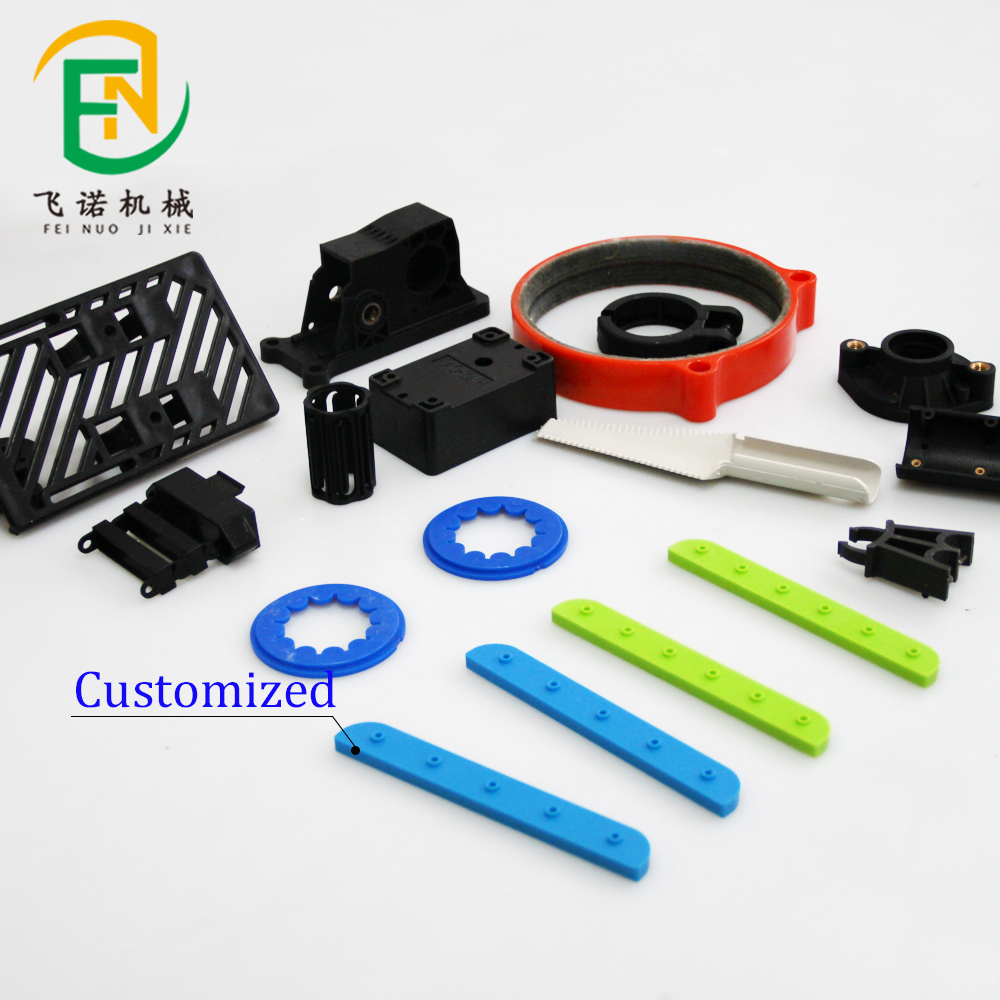
Even the best design and materials can fall short without an experienced manufacturing partner. A supplier’s expertise determines how effectively they can translate design concepts into functional parts. Experienced molders understand how to optimize processing parameters, prevent common defects, and maintain consistent output across large production runs.
When selecting a supplier, it is essential to evaluate their certifications, quality management systems, and track record in similar industries. Clear communication between client and manufacturer is also vital to ensure that all requirements are fully understood and implemented. Partnering with a skilled and reliable supplier is one of the most critical steps in achieving long-term quality and performance.
Building Long-Term Value Through Quality Plastic Injection Molding Part
Quality is the cornerstone of success in plastic injection molding. From material selection and mold design to processing control and supplier expertise, every factor contributes to how a part performs throughout its lifespan. When manufacturers take a comprehensive approach—balancing design precision, material science, and operational excellence—they create parts that not only meet specifications but also exceed customer expectations.
In the competitive world of manufacturing, consistent quality builds reputation, reduces costs, and enhances product reliability. By focusing on the key factors that affect performance, companies can ensure that every plastic injection molding part stands as a testament to craftsmanship, innovation, and engineering excellence.