
- July 17, 2025
- Posted by: feinuojixie
- Category: Injection Molding News
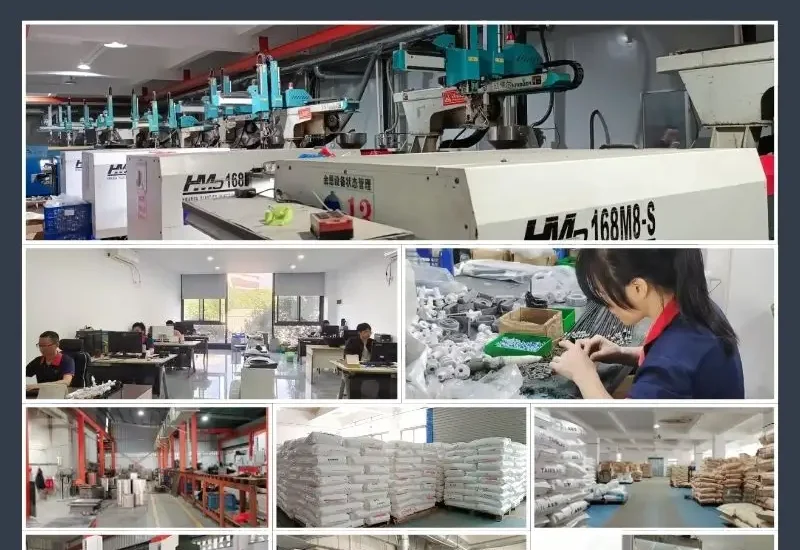
In the ever-changing world of manufacturing, one debate continues to shape the direction of innovation and growth: the rise of plastic making company versus the staying power of traditional manufacturer. Once considered a supporting player in the industrial ecosystem, the plastic making company has surged to the forefront, challenging established methods with faster production, lower costs, and adaptable design capabilities. At the same time, traditional manufacturer holds strong in areas demanding time-tested materials and techniques. As businesses and consumers alike navigate new demands for efficiency, sustainability, and customization, the question emerges—who’s really winning the race? This article dives deep into the strengths, weaknesses, and future potential of both approaches to determine which is best suited for the manufacturing landscape of tomorrow.
Understanding the Core Differences Between Plastic Making Companies and Traditional Manufacturer
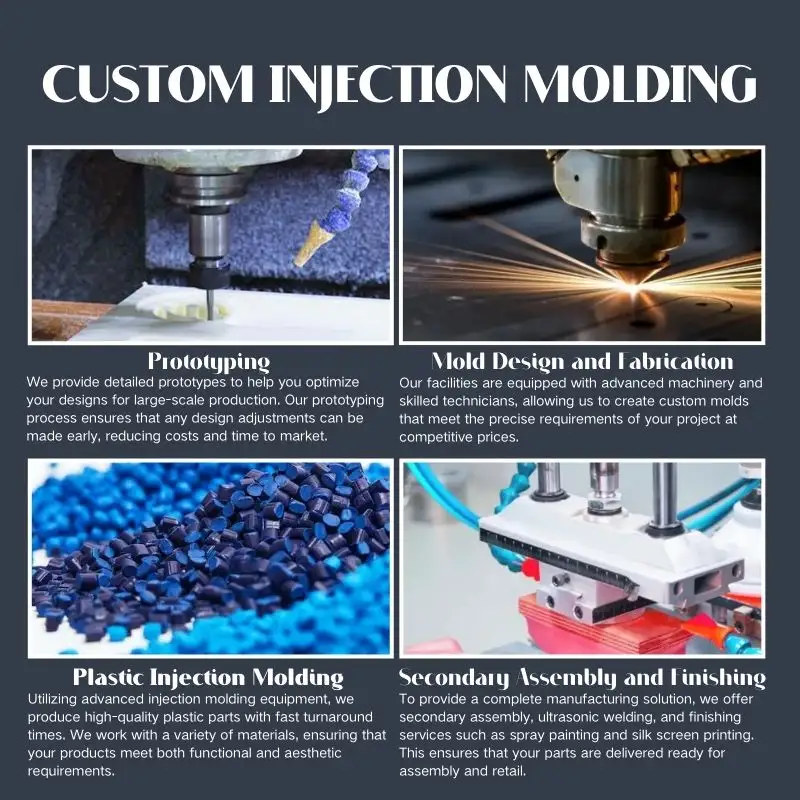
At the heart of this industrial rivalry lies a fundamental difference in material and method. A plastic making company specializes in the transformation of polymers into products through techniques like injection molding, extrusion, and thermoforming. These processes are ideal for lightweight, high-volume production. In contrast, a traditional manufacturer typically focuses on materials such as metal, wood, and glass, relying on forging, machining, casting, or assembling. While traditional methods offer unmatched strength and legacy craftsmanship, plastic making company appeals to modern sectors that prioritize speed, weight reduction, and cost efficiency.
Innovation and Flexibility: Why Plastic Making Company Is Gaining Ground
One of the strongest advantages of plastic making company is its ability to innovate. With rapid prototyping, 3D printing integration, and design flexibility, plastic making company can turn concepts into finished products with remarkable speed. This adaptability is crucial in industries like consumer electronics and medical devices, where design cycles are short and customization is essential. Traditional manufacturer, though technologically capable, often lacks the same level of responsiveness due to more complex material handling and longer setup times.
Cost Efficiency and Mass Production: The Competitive Advantage of Plastic Making Company
Plastic making company offers clear cost benefits. Once the mold is created, each additional part becomes significantly cheaper to produce, making it ideal for large-scale production. Additionally, the lightweight nature of plastic reduces transportation costs and energy use. Traditional manufacturer, using heavier and often more expensive raw materials, struggles to compete in this arena. Labor-intensive processes also contribute to higher unit costs, particularly in regions where automation has not been fully adopted.
Environmental Considerations: A Complicated Battle
Sustainability is a critical factor in today’s manufacturing equation. Plastic making company faces scrutiny due to the environmental impact of synthetic polymers. However, many have begun shifting toward biodegradable materials, recycling initiatives, and closed-loop systems. Traditional manufacturer, while often using recyclable metals, can have a larger carbon footprint during the extraction and refining stages. The battle for environmental superiority is ongoing, with both sides investing heavily in greener technologies to appeal to eco-conscious customers and regulatory bodies.
Quality and Durability: Can Plastic Match Traditional Standards?
Historically, plastic has been seen as inferior in terms of strength and longevity. But advancements in material science have changed that perception. Today’s engineered plastics can withstand heat, pressure, and corrosion, making them suitable for applications once dominated by metal or wood. Still, traditional manufacturer remains unmatched in producing ultra-durable parts for heavy-duty industries like construction, defense, and aerospace. The choice between the two often depends on the end-use environment rather than a blanket superiority.
Industry-Specific Use Cases: Where Each Excels
Plastic making company shines in packaging, medical components, household goods, and automotive interiors—areas where complex shapes, lightweight requirements, and mass production dominate. Traditional manufacturer, on the other hand, retains control in heavy machinery, aerospace structures, and architectural components, where strength and structural integrity are non-negotiable. The two serve different needs, and their strengths reflect the demands of their respective markets.
Customer Demand and Market Trends: Who’s Leading the Race?
Today’s market favors speed, customization, and sustainability—qualities well-aligned with plastic making company. Trends like electric vehicles, wearable tech, and smart home products require lighter materials and shorter development cycles. As a result, plastic making company is positioned to respond quickly and efficiently. Traditional manufacturer, while still essential, is adapting more slowly to these shifting expectations, often focusing on legacy systems or niche segments where change is gradual.
Challenges Facing Plastic Making Company
Despite its momentum, plastic making company faces real challenges. Issues such as limited heat resistance, regulatory pressure on plastic waste, and complex mold maintenance can hinder progress. Additionally, some sectors are reluctant to fully trust plastic over traditional materials. Overcoming these barriers will require ongoing investment in material science, sustainability practices, and consumer education.
The Future of Manufacturing: Is It Plastic, Traditional, or Hybrid?
Looking ahead, the future of manufacturing may not be about one method overtaking the other, but rather a hybrid approach. Many traditional manufacturer are beginning to integrate plastic components into their workflows, combining strength with flexibility. Likewise, plastic making company are exploring composite materials that mimic the durability of metal while maintaining the benefits of polymer. This fusion of techniques represents a new chapter where innovation stems from collaboration rather than competition.
It’s Not About Winning, It’s About Evolving
While it’s tempting to frame the competition between plastic making company and traditional manufacturer as a race, the reality is more nuanced. Each offers unique strengths tailored to different needs and industries. Instead of declaring a winner, the true victory lies in the evolution of both. As technologies advance and markets continue to demand smarter, faster, and greener solutions, the manufacturers that adapt—regardless of method—will lead the future of production.