
- November 25, 2025
- Posted by: feinuojixie
- Category: Chain Guides News
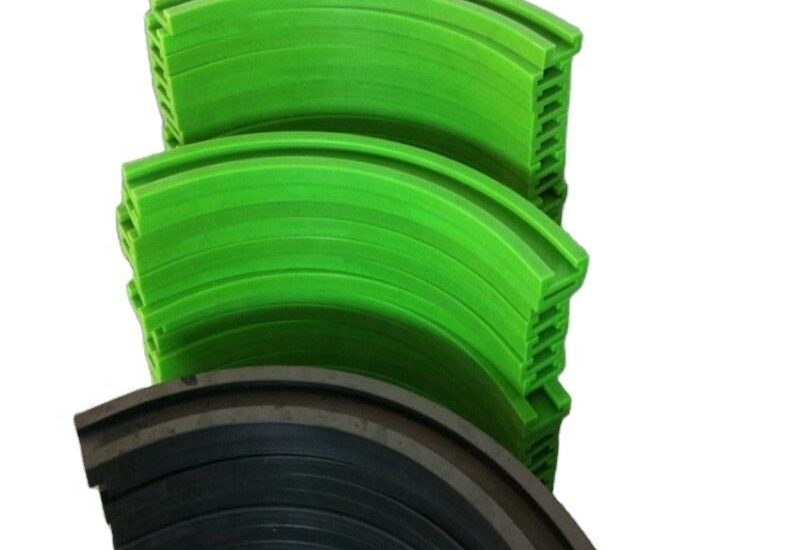
In nearly every industry that relies on moving equipment, a plastic wear strip plays a quietly powerful role. It may appear small and inexpensive compared to motors, gearboxes, bearings, or control systems, yet its contribution to machine longevity is significant. A well-designed plastic wear strip reduces friction, supports sliding motion, prevents metal-to-metal contact, and absorbs impact from repeated operations. These benefits allow equipment to run smoother, quieter, and with far fewer breakdowns. For factories seeking to minimize downtime and prolong equipment investment, the plastic wear strip is one component that should never be overlooked.
Understanding What Plastic Wear Strip Is and How It Works
A plastic wear strip is a guiding and protective component designed to reduce friction between moving machine parts. It acts as a buffer, ensuring surfaces slide smoothly instead of grinding against each other. By separating contact points, a plastic wear strip prevents direct metal interaction, which is one of the primary causes of equipment wear. This simple mechanism allows machinery to operate quietly, efficiently, and with less heat buildup. Whether used in conveyors, packaging systems, or automated machinery, the function remains the same: extend the life of critical components by minimizing friction.
Key Benefits of Using Plastic Wear Strip in Industrial Equipment
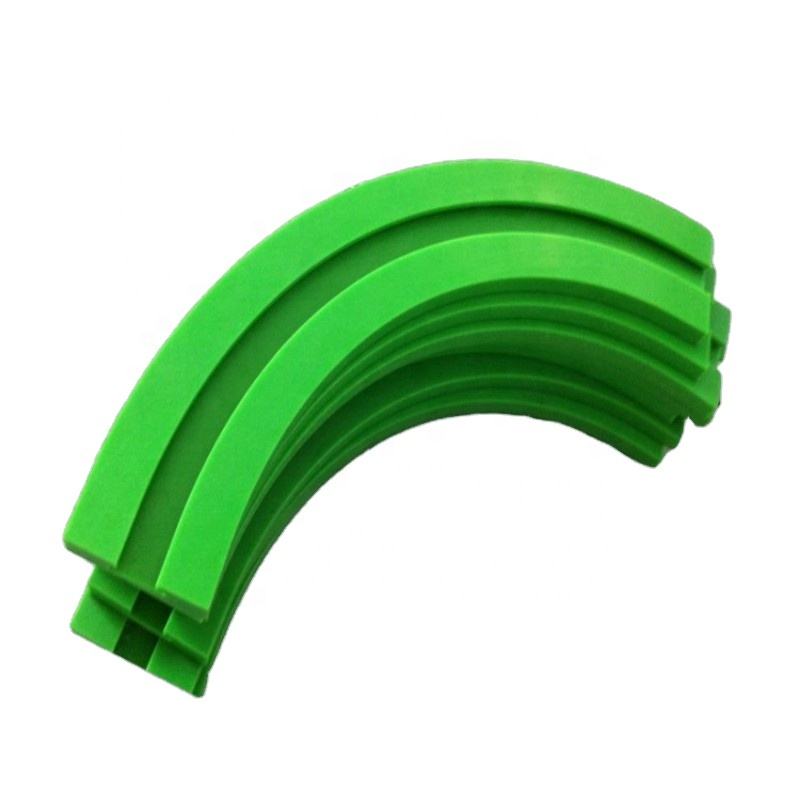
A plastic wear strip brings multiple mechanical and operational benefits that go far beyond basic motion support. Because it is engineered to handle repetitive sliding, it removes unnecessary strain from load-bearing parts. This results in smoother operation, reduced maintenance, and increased equipment uptime. When used correctly, a plastic wear strip allows machines to run at optimal performance levels while mitigating the risk of premature failure.
How Plastic Wear Strip Reduce Friction and Prevent Costly Damage
Friction is the biggest enemy of moving equipment. A plastic wear strip solves this by creating a low-resistance surface that parts can slide across effortlessly. This dramatically reduces heat generation, abrasion, and surface fatigue. As a result, components such as chains, belts, and rails are protected from excessive wear, helping companies avoid costly repairs and unscheduled shutdowns.
Why Plastic Wear Strip Improve Energy Efficiency and Performance
When equipment moves smoothly, it consumes less energy. By reducing sliding resistance, a plastic wear strip lowers the mechanical load on motors, allowing them to operate with greater efficiency. This directly translates to improved equipment performance, higher speed capabilities, and reduced power consumption. Over the lifetime of a machine, this improvement can significantly cut operational costs.
How Plastic Wear Strip Minimize Noise in High-Speed Applications
Noise is often a sign of friction or vibration within equipment. A plastic wear strip absorbs impact and dampens vibrations that occur when parts move at high speed. This leads to quieter operation, which is especially valuable in factories where noise reduction improves worker comfort and supports regulatory compliance. Conveyor systems, automated pick-and-place equipment, and high-speed packaging lines all benefit from the noise-dampening qualities of a plastic wear strip.
Common Materials Used in Plastic Wear Strip and Their Applications
Different applications demand different material properties, and a plastic wear strip can be made from a range of engineering plastics. Each material offers unique performance characteristics that suit specific operating conditions. Selecting the right one ensures durability, reliability, and long service life.
UHMW Plastic Wear Strip for Heavy-Duty, High-Wear Environments
UHMW is widely used thanks to its excellent abrasion resistance and low friction coefficient. It withstands repeated impact, making it ideal for conveyors and material handling systems. A UHMW-based plastic wear strip offers long-lasting performance even in high-load applications and harsh industrial environments.
Nylon Plastic Wear Strip for High-Temperature or Structural Needs
Nylon is known for its strength and thermal stability. A nylon plastic wear strip performs well in situations where heat is a concern or where additional rigidity is required. It is often chosen for machinery that experiences higher operating temperatures or requires a stronger guiding surface.
PTFE Plastic Wear Strip for Low-Friction, Precision Applications
PTFE offers one of the lowest friction coefficients of any polymer. This makes a PTFE plastic wear strip perfect for applications requiring extremely smooth movement, such as robotic systems, medical equipment, or precision automation machines. Its chemical resistance also makes it suitable for corrosive environments.
Applications of Plastic Wear Strip Across Modern Industries
A plastic wear strip is used across a wide range of industries because it brings consistent reliability and protection. Wherever components slide, shift, or rotate, this small component plays an essential role in ensuring that the motion remains smooth and controlled.
Plastic Wear Strip in Conveyor and Material Handling Systems
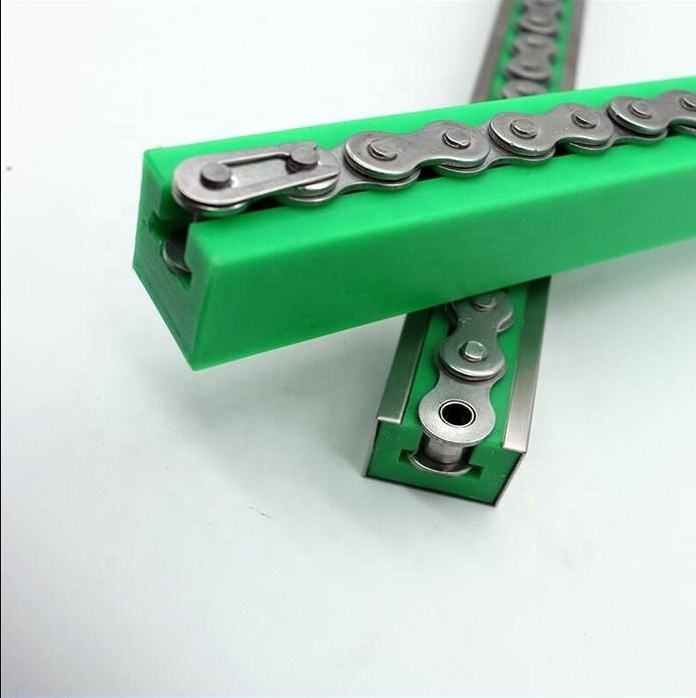
In conveyor systems, a plastic wear strip guides belts, chains, and product carriers. It reduces friction between moving parts and prevents premature wear. Because conveyors often operate continuously, the protection a plastic wear strip provides is critical to maintaining efficiency and minimizing downtime.
Plastic Wear Strip in Packaging, Food, and Beverage Equipment
In food and beverage processing, hygiene and corrosion resistance are essential. A plastic wear strip provides a non-stick, non-corrosive surface suitable for repetitive cleaning and exposure to moisture. It also maintains smooth product transfer, keeping operations both clean and efficient.
Plastic Wear Strip in Automation, Robotics, and High-Speed Motion Systems
High-speed automated systems rely on precision movement. A plastic wear strip helps maintain alignment, reduce vibration, and allow for consistent sliding action. This makes it an important component in robotic arms, pick-and-place systems, and automated assembly lines.
How to Choose the Right Plastic Wear Strip for Your Equipment
Choosing the correct plastic wear strip involves evaluating mechanical requirements, environmental conditions, and performance goals. Understanding these factors ensures the component works effectively and lasts as long as possible.
Matching Plastic Wear Strip Material to Operating Conditions
Every application has a unique set of conditions, such as temperature, humidity, chemical exposure, and impact frequency. The right plastic wear strip material must be compatible with all these variables. For example, PTFE works well in chemical environments, while UHMW excels in high-impact applications.
Considering Load, Speed, and Alignment Requirements
A plastic wear strip must be chosen based on load-bearing capacity, operating speed, and alignment accuracy. An undersized or incompatible strip can lead to rapid wear, vibration, or mechanical instability. Selecting an appropriate thickness, hardness, and design ensures reliable long-term performance.
When Custom Plastic Wear Strip Is the Better Option
Sometimes, standard parts are not enough. Custom plastic wear strip is designed to fit unique equipment profiles, specialized motion paths, or high-load environments. Customization ensures perfect alignment and maximum protection.
Maintenance Tips to Maximize the Lifespan of Plastic Wear Strip
Even though a plastic wear strip is designed for durability, proper maintenance ensures it performs well for years. Regular inspections and correct installation practices are key to maximizing its lifespan.
How to Inspect Plastic Wear Strip for Early Wear Signs
Technicians should check for thinning, grooves, cracks, deformation, or discoloration. These early signs indicate that the plastic wear strip is reaching its wear limits. Replacing it before complete failure prevents damage to more expensive components.
Best Practices for Installing or Replacing Plastic Wear Strip
Correct installation ensures optimal sliding performance. The plastic wear strip should be mounted securely, aligned properly, and fitted with compatible fasteners or channels. When replacing an old strip, the surface beneath should be cleaned to remove debris and ensure smooth operation.
Small Component, Big Impact on Machine Lifespan
A plastic wear strip may look insignificant, but its role in protecting machinery is essential. By minimizing friction, reducing noise, improving efficiency, and preventing wear, it dramatically extends the lifespan of industrial equipment. For manufacturers seeking long-term reliability and lower operating costs, investing in the right plastic wear strip is one of the smartest decisions they can make.