
- November 27, 2025
- Posted by: feinuojixie
- Category: Chain Guides News
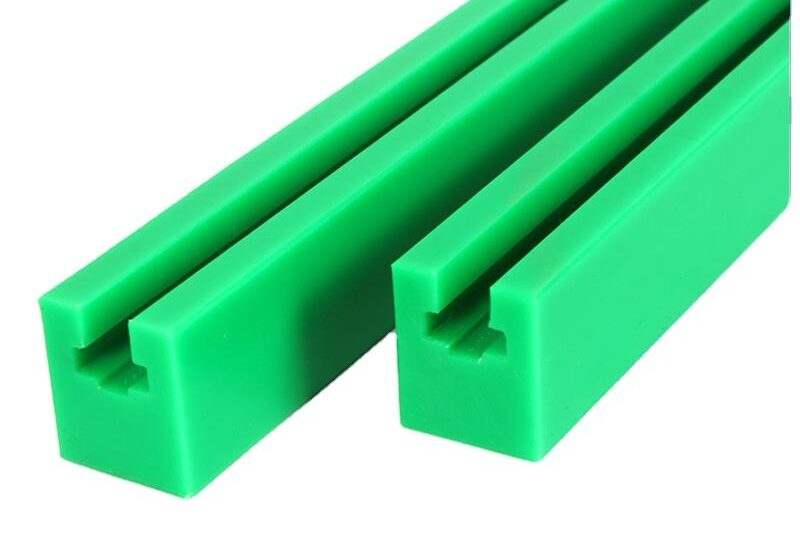
In modern industrial machinery, a wear strip plays a fundamental role in ensuring smooth movement, reducing friction, and protecting expensive components from premature damage. Whether used in a conveyor, automation line, or packaging system, its material directly influences how efficiently the entire machine performs. For many engineers, the decision between a plastic wear strip and a metal wear strip goes far beyond comparing two materials—it affects reliability, energy consumption, maintenance cycles, and overall system lifespan.
As industries push for higher speeds, lower noise, and reduced downtime, material selection has become increasingly critical. A plastic wear strip offers advantages such as low friction, corrosion resistance, and lightweight operation, while metal wear strip continues to serve applications requiring extreme durability or heat resistance. Understanding these strengths and trade-offs ensures that engineers make the best possible decision for their equipment, production goals, and operating environment.
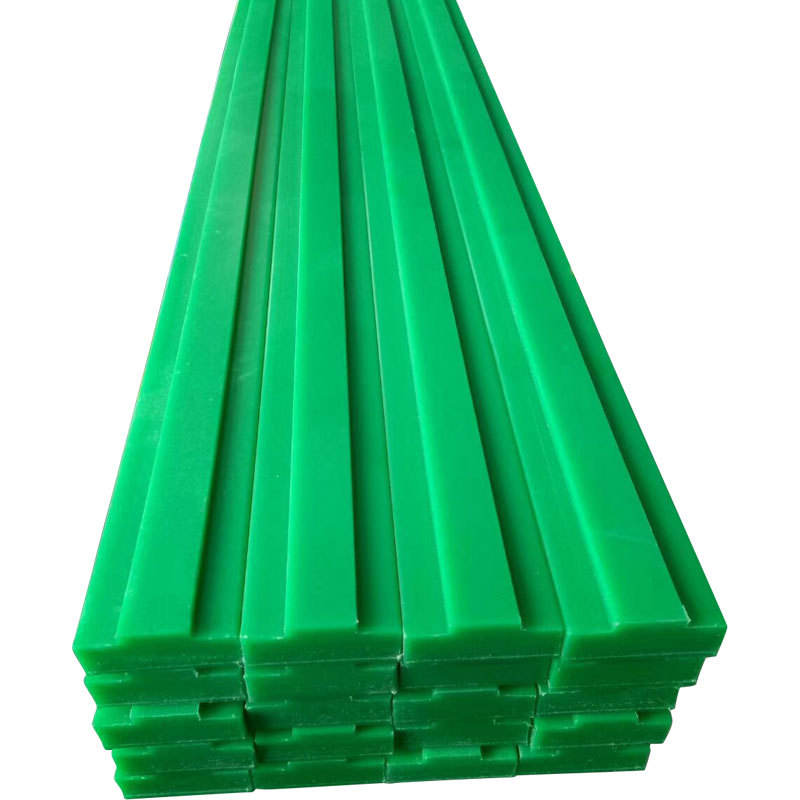
Understanding the Role of a Plastic Wear Strip in Modern Machinery
A plastic wear strip is engineered to guide, support, and protect moving parts while minimizing friction and wear. Its naturally smooth surface allows chains, belts, and product carriers to move with reduced resistance, making it highly suitable for high-speed and continuous-run environments. Industries such as food processing, packaging, material handling, and logistics increasingly rely on plastic solutions because they offer consistent performance without the drawbacks of corrosion or excessive noise. As production lines evolve toward cleaner, quieter, and more efficient operation, a plastic wear strip has become a go-to choice for engineers seeking predictable, low-maintenance performance.
Understanding the Role of a Metal Wear Strip in Traditional Systems
A metal wear strip has long been the standard for heavy-duty mechanical systems due to its high hardness, strength, and impact resistance. It performs reliably in demanding situations such as extreme load applications, elevated temperatures, and rugged industrial environments. Many legacy systems still use metal because it withstands abuse that would overwhelm softer materials. However, its drawbacks include higher friction, susceptibility to corrosion, and greater noise generation. These limitations often push engineers to explore alternative materials when upgrading machinery or improving production efficiency.
Material Properties Comparison: Plastic Wear Strip vs. Metal Wear Strip
When comparing materials, the first factor engineers evaluate is mechanical performance. A metal wear strip generally provides superior hardness and structural stability, which is crucial in environments with extremely high impact forces. However, a plastic wear strip delivers significantly lower friction, reducing the need for constant lubrication. While metal can tolerate higher temperatures, plastic materials excel in environments where resistance to chemicals, moisture, and corrosion is essential.
The coefficient of friction between moving parts is another major difference. A plastic wear strip offers smooth, quiet operation and protects mating components from premature wear. Metal, on the other hand, can cause increased abrasion and noise unless consistently lubricated. Ultimately, the choice comes down to whether the application prioritizes toughness and heat resistance or efficiency, quiet operation, and reduced maintenance.
Performance Differences in Real-World Machine Environments
In high-speed conveyor systems, the benefit of a plastic wear strip becomes immediately apparent. Its smooth surface allows chains and belts to glide with minimal vibration, resulting in faster movement and less noise. Metal wear strip, though durable, generates more sound and contributes to a noisier work environment. Engineers also notice differences in load behavior: plastic offers excellent performance with moderate and constant loads, while metal excels under extreme forces or impact-heavy conditions.
Environmental exposure further distinguishes both materials. A plastic wear strip handles moisture, washdowns, and chemical cleaning agents without deteriorating, making it ideal for food, beverage, and pharmaceutical industries. Metal wear strip may rust, corrode, or require frequent resurfacing when exposed to harsh or wet environments. These performance characteristics shape how each material fits into specific production demands.
Maintenance, Downtime, and Replacement Costs
Maintenance frequency plays a large role in overall operating costs. A plastic wear strip typically lasts long in clean, controlled environments and is easy to install or replace without specialized tools. It requires virtually no lubrication, reducing contamination risks and lowering maintenance workload. Metal wear strip often demands regular lubrication, tightening, or alignment to prevent premature damage.
Downtime is another essential factor. Plastic allows quick swaps with minimal interruption, while metal replacement can involve longer disassembly and reinstallation times. Over the lifespan of a machine, these small differences accumulate into substantial cost savings. For industries focused on uptime and productivity, these savings make a plastic wear strip a financially attractive option.
Weight, Energy Efficiency, and System Stress
The lighter weight of a plastic wear strip delivers unique advantages. Reduced mass lowers strain on motors, chains, and support structures, resulting in improved energy efficiency. Systems run smoother with less inertia, and operators benefit from easier manual handling during maintenance. Metal, while sturdy, adds significant weight that contributes to higher energy consumption and increased wear on drive components.
Lower system stress also extends the lifespan of surrounding machine parts. By reducing the effort required to drive conveyor chains or guided components, a plastic wear strip indirectly supports long-term reliability across the entire machine.
Safety and Compliance Considerations
In industries governed by strict hygiene standards, a plastic wear strip offers a major advantage. Many plastic materials are available in food-grade variants, meeting FDA and similar global requirements. Their non-corrosive nature makes them ideal for environments requiring routine sanitation and chemical exposure.
Noise reduction is another key safety benefit. By naturally lowering operational sound levels, a plastic wear strip helps facilities maintain a safer and more comfortable workplace. Metal wear strip, with its higher friction and impact feedback, contributes to louder, harsher machine operation. From chemical compatibility to rust resistance, plastic provides more consistent compliance with modern safety and environmental standards.
When Engineers Should Choose a Plastic Wear Strip
A plastic wear strip is the preferred solution when the application requires low noise, reduced friction, corrosion resistance, and low maintenance. It excels in conveyor systems, packaging lines, bottling plants, and logistics equipment where cleanliness and efficiency are top priorities. Engineers also choose plastic when looking to upgrade old machinery for smoother and more energy-efficient performance without redesigning the entire system.
Applications involving moderate, consistent loads benefit significantly from plastic. Its ability to provide a clean, reliable, low-lubrication interface makes it ideal for modern automated systems.
When Metal Wear Strip Is Still the Better Choice
Despite the advantages of plastic, metal wear strip remains essential in certain environments. High-temperature applications, such as furnaces or near-heat-treatment equipment, require the thermal stability of metal. Systems that experience repeated heavy impact or require maximum rigidity still rely on metal for longevity and reliability.
If structural strength is the top priority and friction or noise is not a concern, metal remains a dependable choice. Engineers may also choose metal for machines that operate in extremely abrasive conditions where softer materials would degrade too quickly.
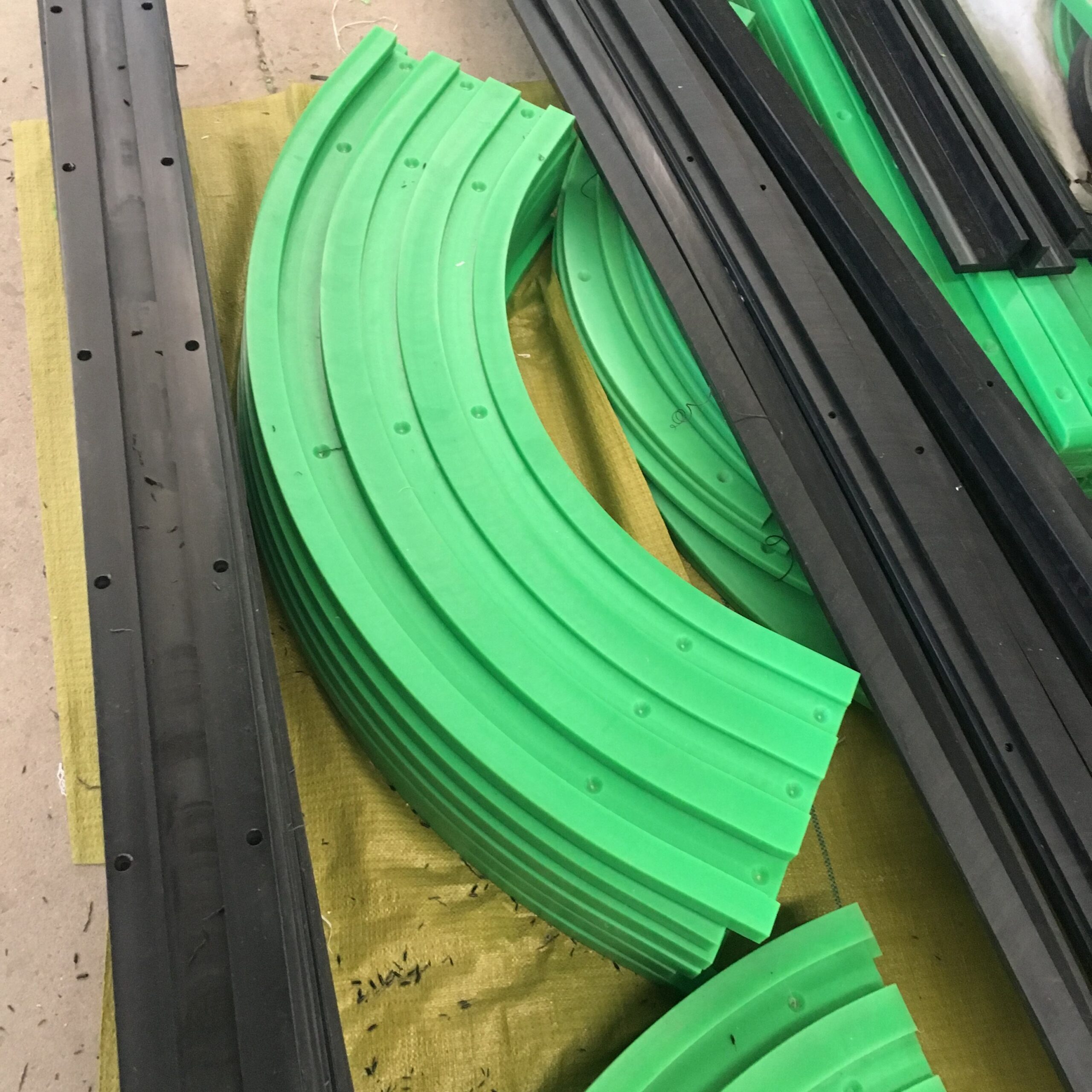
Future Trends: Why Plastic Wear Strip Will Continue Gaining Market Share
Advances in polymer science continue to improve the strength, heat resistance, and durability of plastic, closing the performance gap between the two materials. More industries are prioritizing energy savings, quieter work environments, and environmental compliance, all of which align with the benefits of plastic wear strip technology.
Sustainability trends are also accelerating adoption. Many engineering plastics are increasingly available in recyclable variants, supporting companies focused on greener manufacturing practices. As material technology progresses, a plastic wear strip will become even more capable of handling applications that were once dominated by metal.
Making the Right Material Choice for Higher Performance
Selecting the right wear strip material depends on a careful evaluation of operating conditions, performance goals, and environmental factors. A plastic wear strip offers advantages in cost efficiency, noise reduction, corrosion resistance, and energy savings, making it an excellent fit for modern high-speed production environments. Metal wear strip, however, remains the best option for extreme temperatures, heavy impact, or applications requiring maximum rigidity.
Engineers who analyze load conditions, speed requirements, cleaning processes, and workplace safety standards can make informed choices that extend machine life and boost overall productivity. By understanding the strengths of each material, it becomes far easier to select the wear strip that delivers the highest performance for any specific application.