
- August 22, 2025
- Posted by: feinuojixie
- Category: Chain Guides News
No Comments
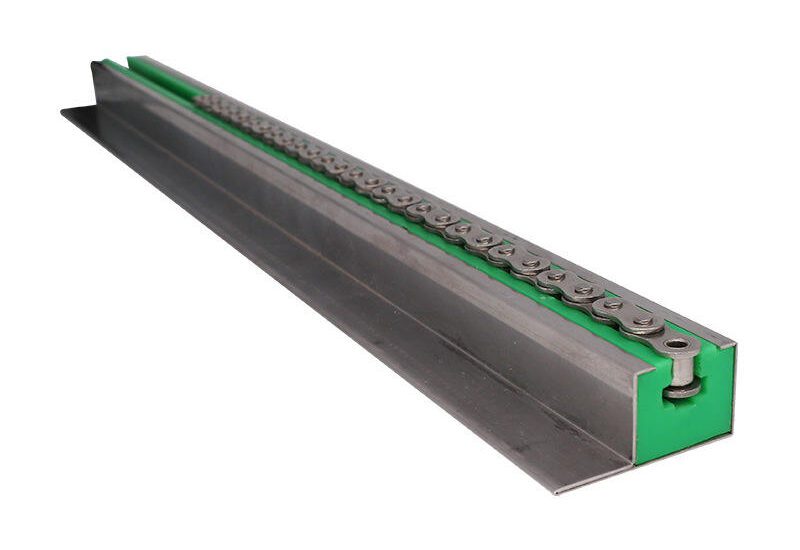
In the fast-paced world of packaging, every second counts. Conveyor belt guides serve as the unsung heroes of packaging lines, ensuring smooth product movement, minimizing downtime, and optimizing overall efficiency. These unassuming components play a crucial role in maintaining the integrity of the packaging process, from the initial stages of product handling to the final stages of shipment. This blog post delves into proven strategies for leveraging conveyor belt guides to unlock the full potential of your packaging line.
Understanding Conveyor Belt Guides
Types of Conveyor Belt Guides
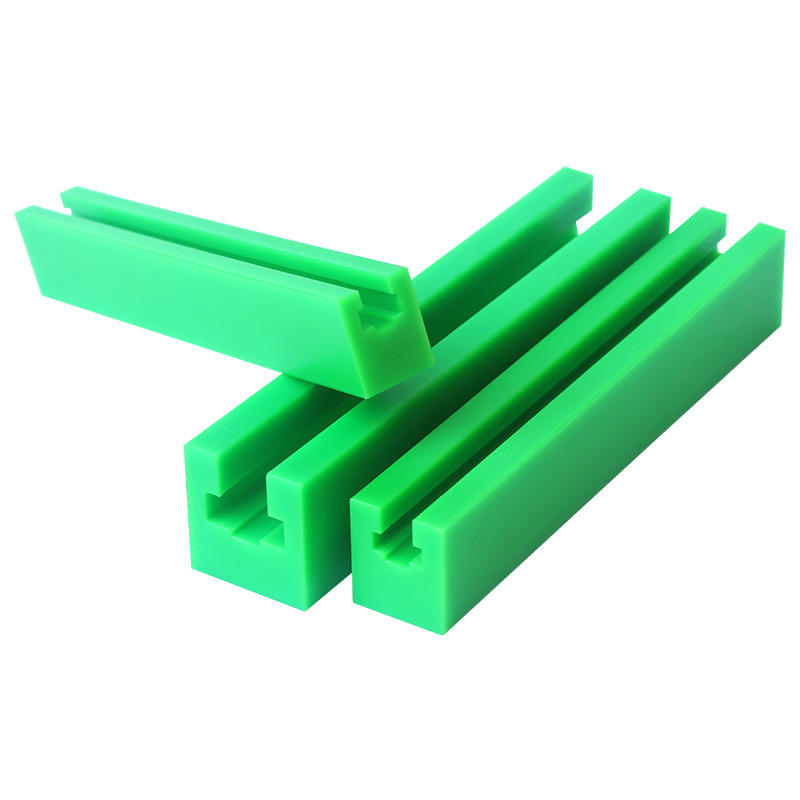
Conveyor belt guides come in various types, each designed to meet specific packaging needs. Side guides, typically installed along the edges of the conveyor belt, prevent products from falling off the sides and ensure they stay centered on the belt. Center guides, on the other hand, are positioned in the middle of the belt and help guide products along a straight path, especially useful for handling long or irregularly shaped items. Roller guides, featuring a series of rollers, reduce friction and provide smooth movement, making them ideal for high-speed packaging lines. Understanding the characteristics and applications of each type of guide is essential for selecting the right solution for your packaging line.
Materials and Construction
The choice of material for conveyor belt guides significantly impacts their performance and longevity. Plastic guides are lightweight, corrosion-resistant, and offer good chemical resistance, making them suitable for handling a wide range of products. Metal guides, such as stainless steel or aluminum, are known for their durability and strength, making them ideal for heavy-duty applications. Rubber guides provide excellent grip and shock absorption, reducing the risk of product damage during transit. The construction of the guide, including its design, thickness, and mounting method, also plays a crucial role in its effectiveness. A well-constructed guide will withstand the rigors of continuous operation and maintain its alignment over time.
Proven Strategies for Installation
Precise Measurement and Alignment
Accurate measurement and alignment are the foundation of a successful conveyor belt guide installation. Before installing the guides, carefully measure the width of the conveyor belt and the distance between the guide mounting points. Use precise measuring tools, such as calipers or laser measuring devices, to ensure accurate measurements. Once the measurements are taken, mark the mounting points on the conveyor frame and align the guides according to the manufacturer’s specifications. Proper alignment is essential for preventing belt misalignment, which can lead to product jams, damage, and increased wear on the belt and guides.
Compatibility Assessment
Before purchasing conveyor belt guides, it’s crucial to assess their compatibility with your existing packaging line equipment. Consider factors such as the conveyor belt type, speed, load capacity, and product characteristics. Ensure that the guides are designed to work with the specific conveyor belt you are using and can handle the weight and size of the products being packaged. Additionally, check the compatibility of the guide mounting system with the conveyor frame to ensure a secure and stable installation. By choosing compatible guides, you can avoid costly installation issues and ensure optimal performance of your packaging line.
Optimizing Performance with Conveyor Belt Guides
Speed and Tension Management
The speed and tension of the conveyor belt have a significant impact on the performance of the conveyor belt guides. Operating the conveyor at the wrong speed or with improper belt tension can cause the belt to slip, misalign, or wear prematurely. To optimize guide performance, it’s essential to adjust the conveyor speed and belt tension according to the manufacturer’s recommendations and the specific requirements of your packaging line. Use a belt tension meter to measure the tension and make adjustments as needed. Additionally, monitor the conveyor speed regularly and make adjustments to ensure consistent product flow and optimal guide functionality.
Load Distribution
Evenly distributing the load on the conveyor belt is crucial for maintaining the integrity of the conveyor belt guides and preventing premature wear. Overloading the belt can cause the guides to bend, warp, or break, leading to costly repairs and downtime. To ensure proper load distribution, avoid placing heavy products in a single area of the belt. Instead, distribute the load evenly across the width of the belt. Use conveyor belt dividers or guides to separate products and prevent them from shifting or bunching together. By managing the load effectively, you can extend the lifespan of your conveyor belt guides and improve the overall efficiency of your packaging line.
Troubleshooting Common Issues
Belt Misalignment
Belt misalignment is a common issue in packaging lines that can cause a variety of problems, including product jams, damage, and increased wear on the belt and guides. There are several factors that can contribute to belt misalignment, including improper installation, uneven load distribution, worn or damaged guides, and incorrect belt tension. To troubleshoot belt misalignment, start by inspecting the installation of the guides and ensuring they are properly aligned and securely mounted. Check the load distribution on the belt and make adjustments as needed. Inspect the guides for wear or damage and replace them if necessary. Finally, check the belt tension and make adjustments to ensure it is within the recommended range.
Wear and Tear
Over time, conveyor belt guides can experience wear and tear due to continuous use, friction, and exposure to harsh environments. Worn or damaged guides can cause belt misalignment, product jams, and increased wear on the belt. To prevent premature wear and tear, it’s essential to perform regular maintenance on the conveyor belt guides. This includes inspecting the guides for wear or damage, lubricating moving parts, and cleaning the guides to remove debris and contaminants. Additionally, consider using wear-resistant materials for the guides and implementing preventive maintenance measures, such as regular belt inspections and tension adjustments, to extend the lifespan of the guides and ensure optimal performance of your packaging line.

Case Studies: Real-World Success
Company A: Increased Throughput
Company A, a leading manufacturer of consumer goods, was facing challenges with their packaging line, including frequent product jams, slow throughput, and high maintenance costs. After analyzing the issue, they identified that the conveyor belt guides were not properly aligned and were causing belt misalignment and product jams. To address the problem, they implemented a comprehensive guide installation and alignment strategy, including precise measurement, alignment, and the use of high-quality guides. They also adjusted the conveyor speed and belt tension to optimize guide performance. As a result of these improvements, Company A was able to increase their packaging line throughput by 30%, reduce product jams by 50%, and lower their maintenance costs by 20%.
Company B: Cost Savings
Company B, a food processing company, was struggling with high maintenance costs and frequent belt replacements due to excessive wear on their conveyor belt guides. After conducting a thorough analysis, they discovered that the guides were made of low-quality materials and were not designed to withstand the harsh environment of their packaging line. To solve the problem, they switched to high-quality, wear-resistant guides made of stainless steel. They also implemented a regular maintenance program, including lubrication, cleaning, and inspection of the guides. As a result of these changes, Company B was able to reduce their maintenance costs by 40%, extend the lifespan of their conveyor belts by 50%, and improve the overall efficiency of their packaging line.
Maintenance and Long-Term Care
Regular Inspection
Regular inspection of the conveyor belt guides is essential for identifying potential issues early and preventing costly breakdowns. Conduct visual inspections of the guides at least once a week, looking for signs of wear, damage, or misalignment. Check the mounting bolts and nuts to ensure they are tight and secure. Inspect the guides for cracks, chips, or other signs of damage. If any issues are detected, take immediate action to address them, such as replacing worn or damaged guides or adjusting the alignment. By performing regular inspections, you can catch problems before they become major issues and ensure the continued operation of your packaging line.
Lubrication and Cleaning
Lubrication and cleaning are essential for maintaining the performance and longevity of the conveyor belt guides. Lubricate the moving parts of the guides, such as bearings and rollers, regularly using a high-quality lubricant. This will reduce friction, prevent wear, and ensure smooth operation. Clean the guides regularly to remove debris, contaminants, and product residue. Use a soft brush or cloth to gently clean the guides, being careful not to damage the surface. Avoid using harsh chemicals or solvents, as they can damage the guides and the conveyor belt. By keeping the guides clean and lubricated, you can extend their lifespan and improve the overall efficiency of your packaging line.
Unleashing the Potential of Packaging Lines
Conveyor belt guides are essential components of packaging lines, playing a crucial role in ensuring smooth product movement, minimizing downtime, and optimizing overall efficiency. By understanding the different types of guides, materials, and construction, implementing proven installation strategies, optimizing performance, troubleshooting common issues, and performing regular maintenance, you can unleash the full potential of your packaging line. The case studies presented in this blog post demonstrate the real-world benefits of using conveyor belt guides effectively, including increased throughput, cost savings, and improved product quality. So, if you’re looking to enhance the efficiency and productivity of your packaging line, consider implementing these proven strategies with conveyor belt guides.