
- January 6, 2026
- Posted by: feinuojixie
- Category: Chain Guides News

In today’s competitive industrial landscape, efficiency is no longer optional—it is a critical factor that directly impacts productivity, operating cost, and system reliability. One often overlooked component that plays a significant role in achieving these goals is the Roller Chain Guide. While it may appear to be a simple supporting element, its influence on overall system performance is substantial.
A Roller Chain Guide provides controlled guidance for roller chain as it moves through machinery. By maintaining proper alignment and minimizing uncontrolled movement, it helps ensure smooth and predictable operation. This level of control becomes increasingly important as industrial systems operate at higher speeds, carry heavier loads, and demand tighter tolerances.
Without an effective Roller Chain Guide, roller chain is more prone to vibration, uneven wear, and misalignment. These issues can quickly lead to energy loss, increased maintenance, and unexpected downtime. In contrast, a well-engineered Roller Chain Guide supports consistent motion, reduces mechanical stress, and improves the efficiency of the entire system.
As industries continue to push for higher output and smarter automation, the role of the Roller Chain Guide becomes even more critical. Understanding how this component contributes to industrial efficiency is the first step toward optimizing performance and achieving long-term operational success.
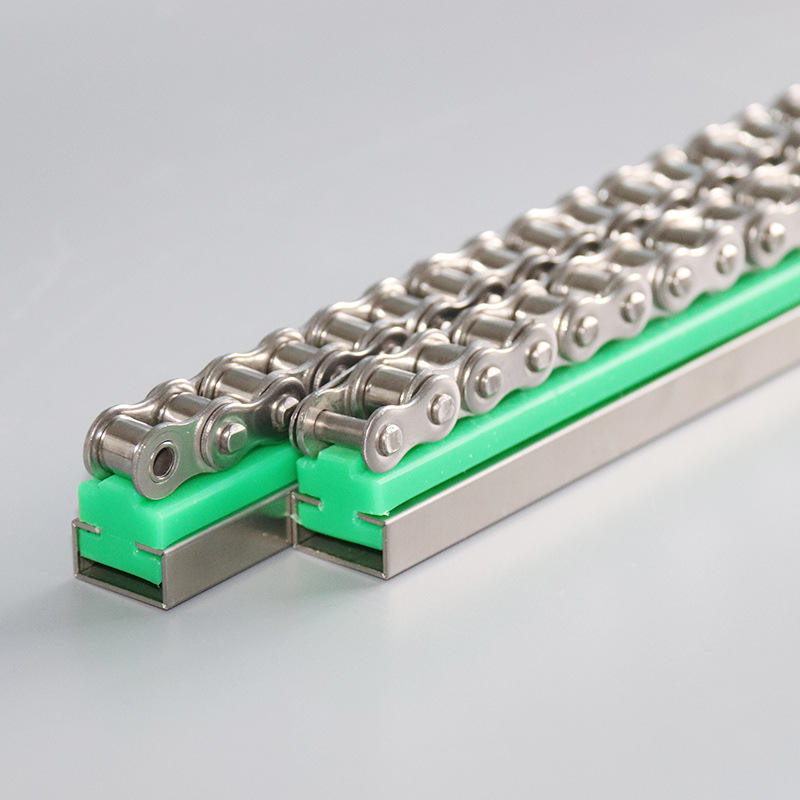
Understanding the Function of a Roller Chain Guide in Industrial Systems
A Roller Chain Guide plays a fundamental role in controlling how roller chain travels through an industrial system. Its primary function is to guide the chain along a defined path, preventing lateral movement and maintaining consistent engagement with sprockets. This guidance ensures that power transmission remains smooth and predictable throughout operation.
In complex machinery, even minor deviations in chain movement can lead to inefficiency and premature wear. A Roller Chain Guide stabilizes motion by absorbing side forces and reducing uncontrolled oscillation. As a result, equipment operates more quietly, with less mechanical stress placed on critical components.
By providing structure and direction, a Roller Chain Guide allows industrial systems to function with higher accuracy and reliability, especially in automated and continuous-duty environments.
How a Roller Chain Guide Improves Industrial Efficiency
Industrial efficiency depends on minimizing wasted energy while maximizing consistent output. A Roller Chain Guide directly contributes to this balance by reducing friction and eliminating unnecessary resistance during chain movement. When roller chain follows a controlled path, energy loss caused by vibration and misalignment is significantly reduced.
Stable guidance also enables smoother acceleration and deceleration within machinery. This consistency allows motors and drive systems to operate closer to their optimal efficiency range. Over time, the cumulative energy savings achieved through the use of a properly selected Roller Chain Guide can be substantial.
By supporting predictable motion, a Roller Chain Guide helps industrial systems maintain steady performance even under demanding operating conditions.
Reducing Chain Wear Through Proper Roller Chain Guide Design
Chain wear is one of the most common causes of maintenance issues in industrial systems. A well-designed Roller Chain Guide addresses this challenge by minimizing direct metal-to-metal contact and preventing abrasive movement against surrounding components.
Precise guide geometry ensures that roller chain remains aligned during operation. This alignment distributes load evenly across the chain, reducing localized stress that can lead to elongation or failure. In turn, the chain retains its functional integrity for a longer period.
By reducing wear at the source, a Roller Chain Guide not only extends chain service life but also protects sprockets and bearings from secondary damage.
Enhancing Operational Stability with a Roller Chain Guide
Operational stability is essential for maintaining consistent production output. A Roller Chain Guide enhances stability by preventing sudden shifts in chain position, especially during high-speed or high-load operation.
Uncontrolled chain movement can introduce vibration that affects overall machine accuracy. With proper guidance, the system experiences smoother transitions and improved synchronization between moving parts. This stability is particularly important in automated production lines where precision is critical.
A Roller Chain Guide helps maintain uniform motion, allowing industrial equipment to perform reliably over extended operating cycles.
The Impact of Roller Chain Guide Material Selection on Performance
Material selection plays a crucial role in the effectiveness of a Roller Chain Guide. Engineered materials such as wear-resistant polymer and reinforced composite are commonly used to balance durability and low friction.
The right material reduces noise, resists abrasion, and withstands continuous contact with moving chain. In addition, material properties influence how well the guide performs under load, temperature variation, and environmental exposure.
Choosing an appropriate Roller Chain Guide material ensures consistent performance while supporting long-term efficiency and reliability.
Roller Chain Guide Solutions for High-Speed Industrial Applications
High-speed industrial systems place unique demands on guiding components. A Roller Chain Guide designed for high-speed operation must maintain precise alignment while minimizing friction and heat generation.
Advanced guide profiles and optimized contact surfaces allow roller chain to move rapidly without instability. This controlled movement prevents chain lift and derailment, even at elevated speeds.
In fast-paced production environments, a specialized Roller Chain Guide enables reliable operation without compromising efficiency or safety.
Improving Energy Efficiency with an Optimized Roller Chain Guide
Energy efficiency is a growing priority in modern manufacturing. An optimized Roller Chain Guide supports this goal by reducing drag and mechanical resistance throughout the drive system.
When roller chain runs smoothly within a guide, motors require less power to maintain motion. This efficiency translates into lower energy consumption and reduced operating cost over time.
By improving motion consistency, a Roller Chain Guide contributes to sustainable industrial performance and responsible energy use.
Roller Chain Guide Solutions for Harsh Industrial Environments
Many industrial systems operate in environments exposed to dust, moisture, chemical agents, or temperature extremes. A Roller Chain Guide designed for these conditions must offer resistance without sacrificing performance.
Specialized materials and enclosed guide designs help protect roller chain from contamination. This protection minimizes the risk of corrosion and abrasive damage, ensuring consistent operation even in challenging conditions.
A durable Roller Chain Guide enables reliable performance where environmental stress would otherwise reduce efficiency.
Custom Roller Chain Guide Solutions for Complex Industrial Systems
Standard guiding solutions are not always sufficient for complex layouts or unique load requirements. In such cases, a custom Roller Chain Guide provides tailored support that aligns with specific system constraints.
Custom geometry allows for precise integration into compact spaces or unconventional configurations. This level of customization ensures optimal chain control without compromising design flexibility.
By addressing unique challenges, a custom Roller Chain Guide enhances efficiency and system longevity.
Maintenance Benefits of Using a High-Quality Roller Chain Guide
Maintenance efficiency is directly influenced by component quality. A high-quality Roller Chain Guide reduces the frequency of inspection, adjustment, and replacement.
Consistent guidance limits wear and prevents unexpected failure, allowing maintenance teams to focus on planned service rather than emergency repairs. This predictability improves uptime and overall operational planning.
By simplifying maintenance demands, a Roller Chain Guide supports smoother industrial operations.
Common Mistakes When Selecting a Roller Chain Guide
Selecting the wrong Roller Chain Guide can undermine system efficiency. Common mistakes include ignoring load requirements, overlooking environmental factors, or choosing unsuitable materials.
Another frequent error is assuming that all guide designs perform the same across applications. In reality, precise selection is essential for achieving optimal results.
Avoiding these mistakes ensures that a Roller Chain Guide delivers consistent performance and long-term value.
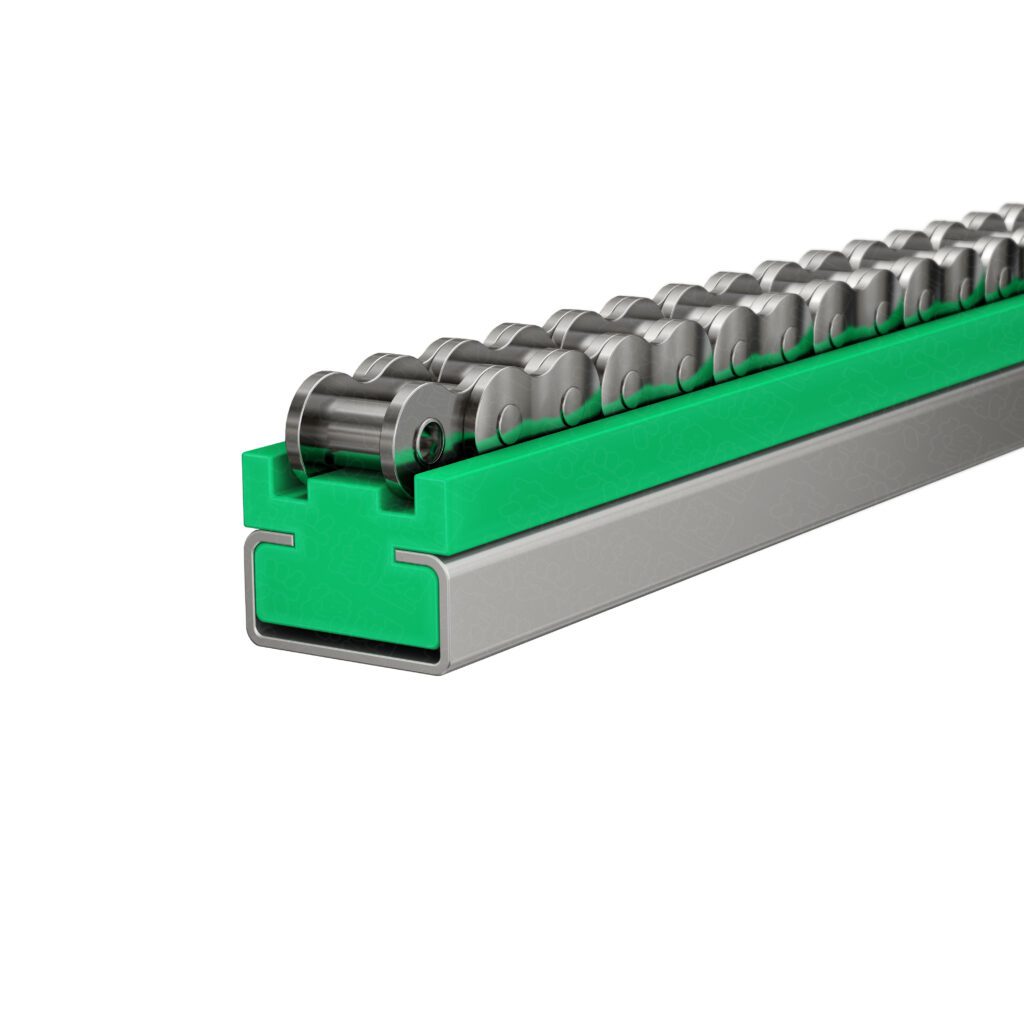
Future Trends in Roller Chain Guide Technology
Innovation continues to shape the development of the Roller Chain Guide. Advances in material science, low-friction surfaces, and integration with automated systems are expanding performance capabilities.
Future designs focus on greater durability, reduced energy loss, and smarter system compatibility. These improvements support increasingly efficient and adaptive industrial environments.
As technology evolves, the Roller Chain Guide will remain a key component in modern machinery.
Investing in the Right Roller Chain Guide for Long-Term Efficiency
Industrial efficiency is built on thoughtful component selection and system optimization. A Roller Chain Guide may seem modest in size, but its impact on performance, energy use, and maintenance is significant.
By providing stable guidance, reducing wear, and improving motion control, a Roller Chain Guide supports reliable and efficient operation across a wide range of applications.