
- June 27, 2025
- Posted by: feinuojixie
- Category: Injection Molding News
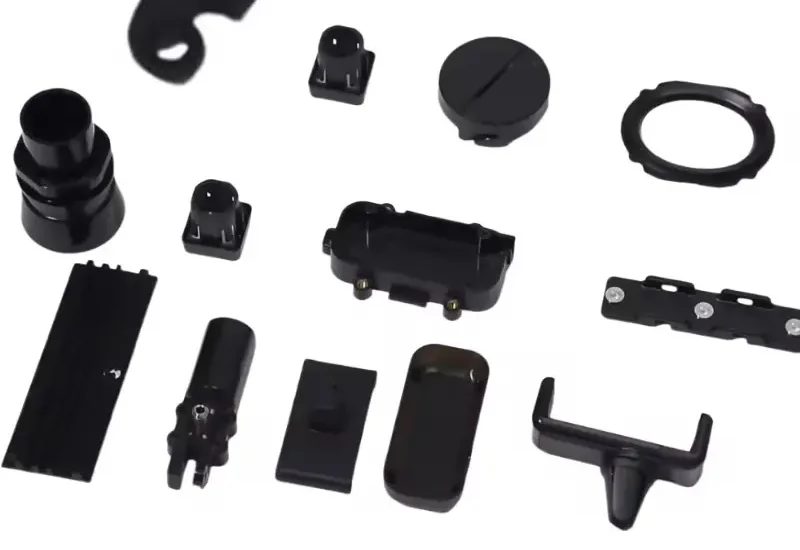
The plastic molding business has long been a cornerstone of manufacturing, supporting industries from automotive to consumer goods. But while the market remains strong, not every company achieves sustained growth. What sets apart a thriving plastic molding business from the rest? The answer often lies not in flashy innovations but in the accumulated wisdom of industry veterans—those who’ve weathered market cycles, solved production challenges, and built customer loyalty over decades. In this article, we’ll uncover the real-world secrets they swear by, offering aspiring entrepreneurs and seasoned operators alike a behind-the-scenes look at what makes a plastic molding business not just survive—but thrive.
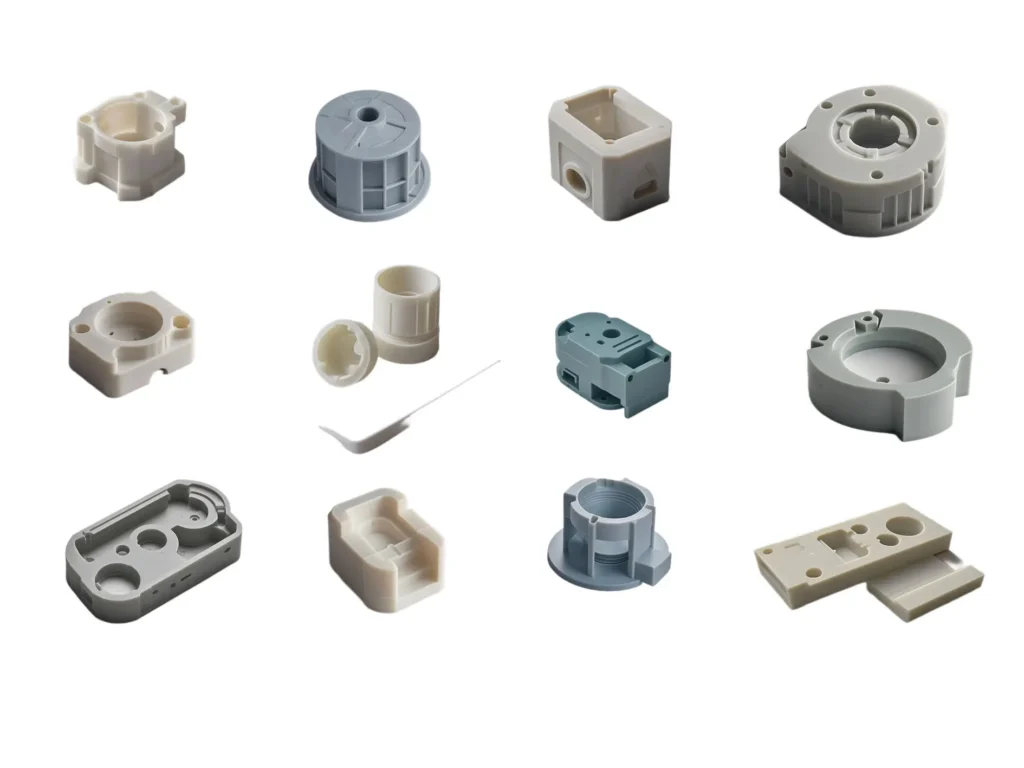
The Foundation of a Thriving Plastic Molding Business: Vision, Planning, and Purpose
Every successful plastic molding business begins with a strong foundation. Industry veterans emphasize that before a single part is molded, a clear vision must be defined. This includes identifying a target market, setting realistic financial and operational goals, and developing a long-term growth strategy. Many thriving businesses specialize in specific niches—such as automotive components, medical devices, or consumer packaging—allowing them to refine expertise and build strong reputations within focused markets. Planning also involves understanding market demands, production capabilities, and competitive positioning. Without a roadmap, even the most technologically advanced facility can drift aimlessly. Veterans agree: purpose-driven leadership is the first and most essential ingredient in long-term success.
Operational Excellence: Why Process Optimization Drives Plastic Molding Business Growth
In the plastic molding business, operational efficiency can be the difference between thriving and barely surviving. Seasoned professionals constantly optimize every step of the production process—from mold setup to cycle time to material handling. They leverage lean manufacturing principles to eliminate waste, minimize downtime, and improve throughput. Standardized operating procedures (SOPs) and quality control protocols ensure that each product meets consistent standards. Veterans also stress the value of data: tracking key performance indicators (KPIs) helps identify bottlenecks and measure progress over time. By treating production as a dynamic, ever-improving system, they drive profitability and remain competitive even in tight-margin markets.
Talent and Team: Building a Skilled Workforce in the Plastic Molding Business
No machine can replace a well-trained, motivated team. One of the most commonly shared secrets among industry veterans is the critical importance of people. From toolmakers to machine operators to quality inspectors, skilled personnel form the backbone of any successful plastic molding business. Leaders invest heavily in training programs, apprenticeships, and continuous education to build a workforce that not only understands the machines but also anticipates challenges. A culture of collaboration, respect, and accountability keeps morale high and turnover low. Veterans understand that while equipment depreciates, people—when nurtured—only grow more valuable.
Smart Equipment Investment: Choosing the Right Tools for the Plastic Molding Business
Selecting the right machinery is another pillar of success. Industry veterans know that buying the cheapest equipment often leads to long-term headaches—while overinvesting in features that don’t serve the business can drain capital. Instead, they focus on aligning machinery capabilities with production goals. Factors such as tonnage, material compatibility, automation options, and energy efficiency are carefully evaluated. Maintenance is also a priority: proactive service schedules reduce unexpected downtime and extend machine life. By treating equipment investment as a strategic decision rather than a short-term expense, experienced leaders ensure their operations remain both productive and profitable.
Quality as a Cornerstone: How Industry Leaders Maintain High Standards
Consistent quality is non-negotiable in a thriving plastic molding business. Industry veterans embed quality into every stage of the process—from material selection to final inspection. They implement robust quality management systems, often pursuing ISO or industry-specific certifications to demonstrate their commitment. Tools like statistical process control (SPC), first article inspections, and regular audits help catch issues early. More importantly, quality isn’t just about defect rates—it’s about customer trust. Businesses that consistently deliver precision-molded parts build reputations that lead to repeat orders and long-term contracts. In this sense, quality is not just a metric; it’s a growth strategy.
Customer-Centric Strategy: How to Build Lasting Client Relationships in the Plastic Molding Business
Industry veterans know that customer relationships are built on more than just price. Thriving plastic molding businesses position themselves as strategic partners rather than just suppliers. This means offering design support, flexible production options, and reliable lead times. Clear, transparent communication and proactive problem-solving also play major roles in client satisfaction. After-sales support—such as assistance with part modifications or mold maintenance—helps build loyalty. By deeply understanding each client’s needs and delivering tailored solutions, top businesses create relationships that span years or even decades.
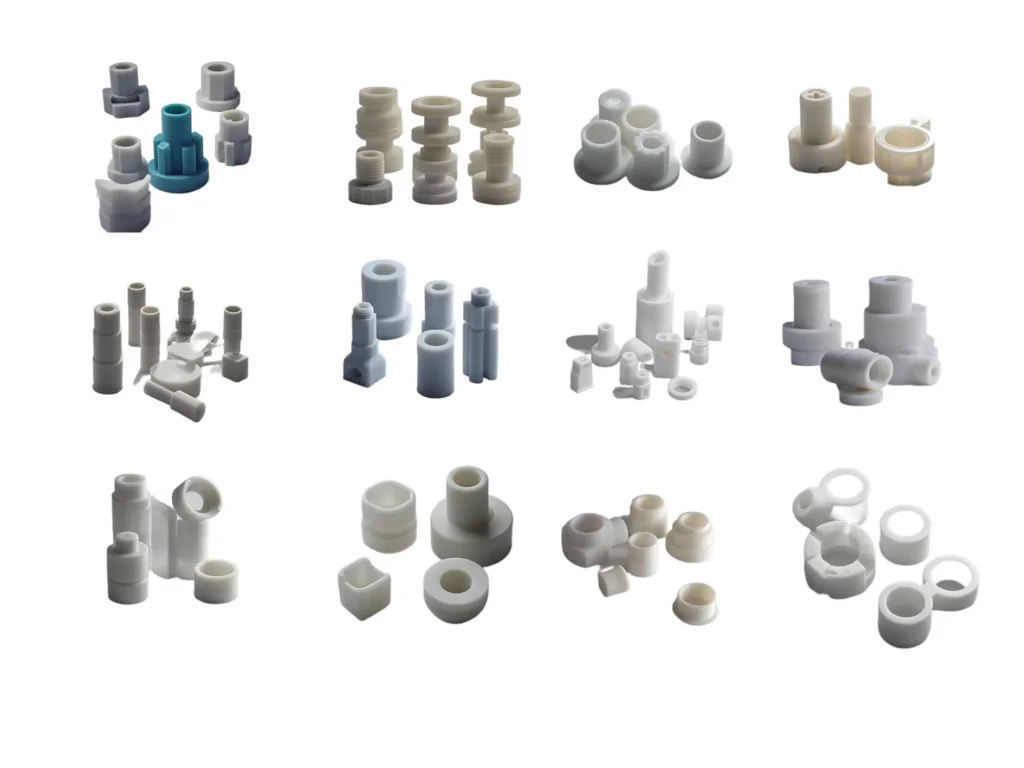
Adapting to Change: How Veterans Future-Proof the Plastic Molding Business
Change is the only constant, and those who resist it risk falling behind. Veterans in the plastic molding business stay ahead by embracing innovation and sustainability. This includes investing in eco-friendly materials, integrating digital tools like real-time monitoring systems, and exploring the potential of Industry 4.0. They also keep a close eye on market trends—such as the rising demand for biodegradable plastics or lightweight automotive components—and pivot accordingly. Strategic agility enables them to seize new opportunities and mitigate risks. Ultimately, their willingness to evolve ensures long-term relevance and resilience in a fast-moving market.
Financial Discipline: Managing Costs and Profits Wisely
Behind every thriving plastic molding business is a leader who understands financial discipline. Veterans monitor cash flow carefully, keeping operational costs in check without cutting corners. They establish clear budgeting practices, ensure timely billing and collections, and reinvest wisely in both people and technology. Many also build financial cushions to weather slow periods or economic downturns. Avoiding overextension and maintaining strong supplier relationships further contributes to financial stability. By managing resources with care, successful businesses position themselves for sustainable growth rather than short-term gains.
What Newcomers Can Learn from Plastic Molding Business Experts
Success in the plastic molding business isn’t about luck—it’s about experience, discipline, and continuous improvement. Industry veterans have shown that a clear vision, operational excellence, quality commitment, smart investments, and strong relationships form the pillars of long-term success. For newcomers, the path may seem daunting, but the lessons are clear: build with purpose, hire with intention, invest strategically, and never stop learning. By embracing these principles, even a small startup can grow into a thriving enterprise—just like the veterans who came before.