
- September 25, 2025
- Posted by: feinuojixie
- Category: Chain Guides News
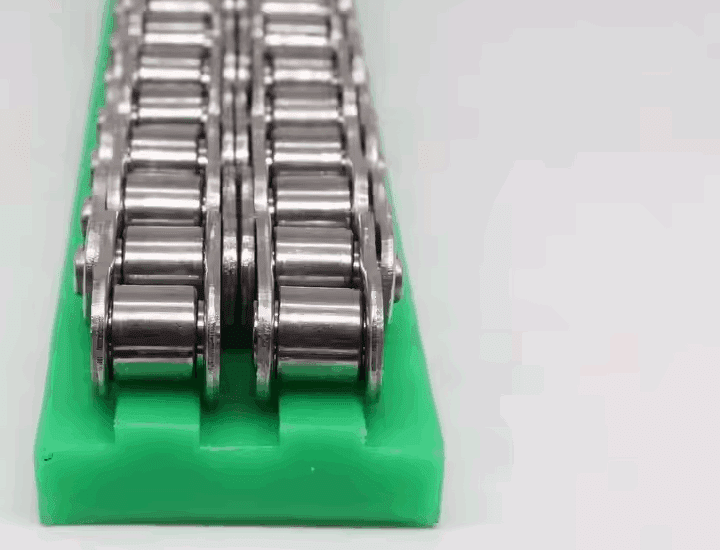
Plastic wear strips are components made from various types of plastics, engineered to provide a protective layer between moving parts. They are designed to reduce friction, prevent wear and tear, and enhance the overall efficiency of machinery or equipment. These strips come in different shapes, sizes, and materials, each with its unique properties tailored to specific applications.
In industrial machinery, plastic wear strips play a crucial role. For example, in conveyor systems, they are used to guide the movement of belts, ensuring smooth operation and reducing the risk of jams. In injection molding machines, wear strips help in the precise movement of molds, contributing to the production of high – quality plastic products.
The automotive manufacturing industry also relies heavily on plastic wear strips. They are used in vehicle interiors, such as in the sliding mechanisms of seats and doors. In the engine compartment, they can be found in parts like the timing belt covers, protecting the belts from abrasion and extending their lifespan. Understanding these basic applications of plastic wear strips is the first step in determining which one is right for your business needs.
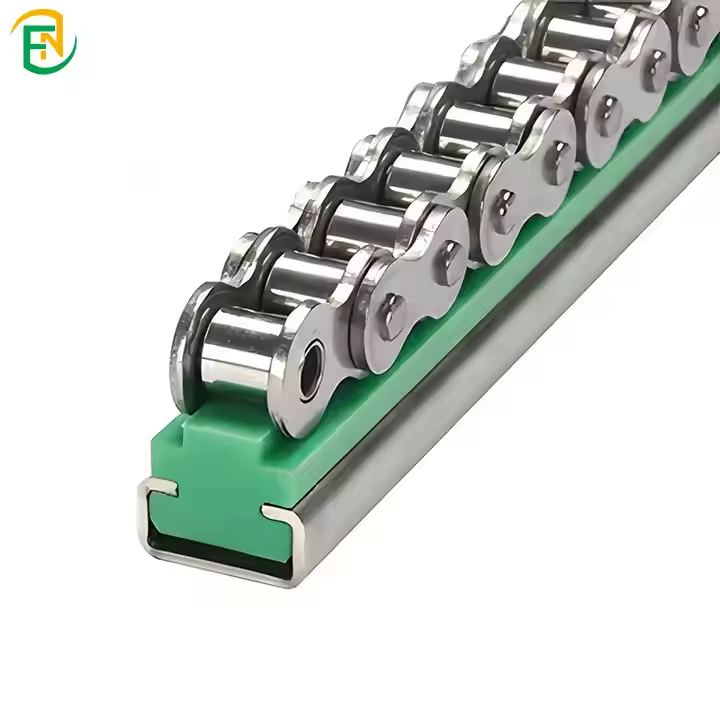
The Crucial Role in Business Operations
Plastic wear strips are far from being just minor components; they are the unsung heroes that keep many business operations running smoothly. One of the most significant benefits is their ability to reduce equipment wear. In manufacturing plants where machinery runs continuously, the constant friction between moving parts can lead to rapid degradation. For instance, in a wood – processing factory, the saw blades and the guiding mechanisms can wear out quickly without proper protection. Plastic wear strips act as a buffer, minimizing this friction and extending the lifespan of the equipment.
This reduction in wear directly correlates to lower maintenance costs. When equipment doesn’t wear out as frequently, there are fewer replacements of parts, less downtime for repairs, and lower labor costs associated with maintenance. A study in the manufacturing industry showed that companies that switched to high – quality plastic wear strips reduced their annual maintenance costs by up to 30%. This cost – saving aspect is crucial for businesses, especially those operating on tight budgets.
Moreover, plastic wear strips contribute to enhanced production efficiency. In a food – packaging factory, the smooth operation of conveyor belts is essential for high – speed packaging. With well – chosen plastic wear strips, the belts move more smoothly, reducing the risk of jams and product spillage. This means that production lines can run at optimal speeds, increasing the output of products in a given time frame. In essence, the right plastic wear strip can be the difference between a profitable, efficient business operation and one that is constantly hampered by equipment failures and inefficiencies.
Key Factors to Consider When Selecting
Material Compatibility
Plastic wear strips are made from a variety of materials, each with its own set of characteristics. For example, polyethylene (PE) is known for its excellent chemical resistance and low friction coefficient. It is often a great choice when the strip will be in contact with chemicals, such as in chemical processing plants. In a laboratory setting where different solvents are used, a PE plastic wear strip can withstand the corrosive effects of many common solvents, ensuring long – term performance.
On the other hand, polyurethane (PU) offers high abrasion resistance and good flexibility. In applications where there is a lot of mechanical stress and movement, like in conveyor belts that transport heavy or abrasive materials, PU wear strips can handle the constant rubbing and bending without breaking down quickly. Nylon, another popular material, has high strength and dimensional stability. It is suitable for applications where precision and durability are crucial, such as in high – speed machinery. Understanding the properties of different plastic materials and matching them to the substances the wear strip will come into contact with, as well as the mechanical demands of the operation, is essential for making the right choice.
Durability and Longevity
The durability and longevity of plastic wear strips are influenced by several factors. The working environment plays a significant role. In high – temperature environments, some plastics may degrade or lose their mechanical properties. For instance, in an industrial oven where temperatures can reach several hundred degrees Celsius, using a plastic wear strip that is not heat – resistant can lead to rapid failure. Specialized heat – resistant plastics like polyetheretherketone (PEEK) should be considered for such applications.
The frequency of use also impacts the lifespan of the wear strip. In a manufacturing line that operates 24/7, the wear strip will experience much more wear and tear compared to one in a machine that is used only occasionally. To assess the durability of a potential plastic wear strip, look for products with high – quality certifications or customer reviews that mention long – term performance. You can also request samples from suppliers and conduct small – scale tests in your own working conditions to estimate how long the strip is likely to last.
Size and Fit Precision
The size and fit of a plastic wear strip are critical for its optimal performance. If a wear strip is too large, it may not fit properly in the designated area, causing misalignment and increased friction. In a robotic arm, for example, an ill – fitting wear strip can disrupt the smooth movement of the arm, leading to inaccurate positioning and potential damage to the equipment. On the other hand, if it is too small, it may not provide adequate protection or support.
To ensure a proper fit, accurate measurement is the first step. Use precision measuring tools to determine the dimensions of the area where the wear strip will be installed. When ordering, provide these exact measurements to the supplier. Some suppliers also offer custom – made plastic wear strips, which can be an excellent option if standard sizes do not meet your requirements. Additionally, consider the tolerance levels of the wear strip. A strip with tight tolerance levels will provide a more precise fit, but it may also be more expensive. Balance the need for precision with your budget and the specific requirements of your application.
Cost – Benefit Analysis
When choosing a plastic wear strip, it’s not just about the upfront cost. You need to conduct a comprehensive cost – benefit analysis. The initial purchase price of a wear strip is an important factor, but it should not be the sole determinant. Consider the lifespan of the product. A more expensive wear strip made from high – quality materials may last significantly longer than a cheaper alternative. For example, if a low – cost plastic wear strip needs to be replaced every few months, while a higher – quality one can last for years, the long – term cost of the cheaper option may actually be higher.
Maintenance costs also come into play. Some wear strips may require more frequent lubrication or cleaning, which can add to the overall cost. A strip that is easy to maintain and requires minimal upkeep can save you both time and money in the long run. Additionally, factor in the potential cost of downtime. If a wear strip fails prematurely and causes your equipment to stop running, the cost of lost production, repairs, and potential customer dissatisfaction can be substantial. By considering all these elements, you can make a more informed decision that maximizes the cost – effectiveness of your plastic wear strip purchase.
Different Types of Plastic Wear Strips in the Market
Polyethylene Wear Strips
Polyethylene (PE) is a widely used plastic for wear strips due to its favorable properties. It has excellent chemical resistance, making it suitable for applications where it may come into contact with various chemicals. For example, in chemical processing plants, PE wear strips can withstand the corrosive effects of acids, alkalis, and solvents.
PE also offers a low coefficient of friction, which enables smooth movement between parts. This characteristic is beneficial in conveyor systems where reducing friction helps in the efficient movement of goods. In a warehouse with a large – scale conveyor network for package handling, PE wear strips on the conveyor belts can minimize energy consumption and prevent the packages from getting stuck.
However, polyethylene has some limitations. Its relatively low melting point means it may not be suitable for high – temperature applications. In environments where temperatures exceed 80 – 100°C (depending on the type of PE), the material may start to deform or lose its mechanical properties. Additionally, compared to some other plastics, its mechanical strength is moderate, so it may not be the best choice for applications with high – stress requirements.
Polypropylene Wear Strips
Polypropylene (PP) is another popular option for wear strips. It has a relatively high melting point, typically around 160 – 170°C, which makes it suitable for applications that involve some heat exposure, such as in certain industrial drying equipment. PP also exhibits good chemical resistance, similar to PE, and can resist many common chemicals, including most acids and alkalis.
In terms of mechanical properties, PP has better stiffness and strength compared to PE, which makes it useful in applications where the wear strip needs to maintain its shape under moderate stress. In automotive interior components like door – closing mechanisms, PP wear strips can handle the repeated stress of opening and closing doors without deforming easily.
One drawback of polypropylene is its relatively poor impact resistance at low temperatures. In cold storage facilities or regions with extremely cold climates, PP wear strips may become brittle and more prone to cracking. Additionally, PP has a tendency to degrade when exposed to ultraviolet (UV) light over long periods. So, for outdoor applications, additional UV – stabilizers may be required to ensure its longevity.
Nylon Wear Strips
Nylon is a high – performance plastic with several desirable properties for wear strips. It has excellent mechanical strength, high abrasion resistance, and good dimensional stability. These characteristics make it ideal for high – load and high – precision applications. In the manufacturing of high – speed machinery, such as textile looms, nylon wear strips can withstand the continuous friction and mechanical stress, ensuring the smooth operation of the equipment.
Nylon also has self – lubricating properties to some extent, which reduces the need for frequent external lubrication. This feature is beneficial in applications where access for lubrication is difficult or where minimizing maintenance is a priority. For example, in some complex mechanical assemblies inside industrial robots, the self – lubricating property of nylon wear strips can significantly reduce maintenance time and costs.
However, nylon has a relatively high moisture absorption rate. In humid environments, it can absorb moisture, which may cause dimensional changes and affect its performance. To address this, special treatments or modifications may be necessary when using nylon wear strips in such conditions. Additionally, nylon is generally more expensive than some other common plastics like PE and PP, which can be a limiting factor for cost – sensitive applications.
UHMW Wear Strips
Ultra – high – molecular – weight polyethylene (UHMW) is a type of polyethylene with a very high molecular weight, typically above 3.5 million. This gives UHMW wear strips exceptional properties. One of its most notable features is its extremely high abrasion resistance. It can outperform many other plastics in applications where there is significant rubbing or scraping between parts. In mining equipment, such as conveyor belts that transport abrasive minerals, UHMW wear strips can have a much longer lifespan compared to traditional wear strip materials.
UHMW also has a very low coefficient of friction, even lower than regular polyethylene. This results in smooth movement and reduced energy consumption. In food – processing conveyor systems, where the smooth transfer of products is crucial, UHMW wear strips can ensure that food items move without getting damaged or stuck.
Moreover, UHMW is highly resistant to chemicals, making it suitable for use in harsh chemical environments. It is also non – toxic and has good biocompatibility, which makes it an option for applications in the medical and food industries. However, UHMW has a relatively low melting point like regular polyethylene, which limits its use in high – temperature applications. Also, its processing can be more difficult due to its high molecular weight, which may increase production costs.
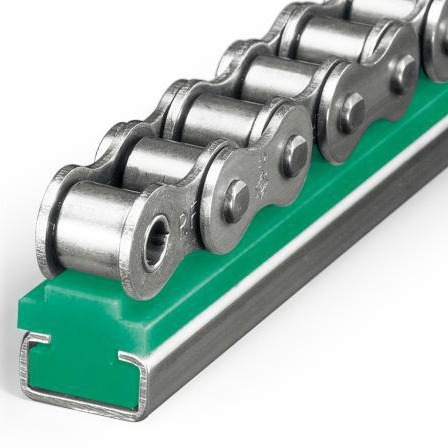
Case Studies: Real – World Success Stories
Case 1: Manufacturing Company’s Cost – Saving Transformation
A medium – sized manufacturing company that produced metal components was facing high maintenance costs due to the rapid wear of its conveyor system. The previous wear strips, made of a low – quality plastic, were deteriorating within a few months. After conducting a thorough analysis, they decided to switch to UHMW plastic wear strips.
The initial investment in the UHMW wear strips was higher than their previous choice. However, over the course of a year, the results were remarkable. The lifespan of the wear strips increased from 3 – 4 months to over 2 years. This led to a significant reduction in the frequency of equipment downtime for maintenance. The company estimated that they saved approximately $50,000 in maintenance costs annually, including the cost of replacement parts and labor. Production efficiency also improved as the conveyor system’s smooth operation reduced the number of product jams, resulting in a 15% increase in overall production output.
Case 2: Food – Processing Plant’s Efficiency Boost
A food – processing plant was experiencing issues with its packaging line. The conveyor belts used in the packaging process were constantly getting stuck, causing delays and product damage. The problem was traced back to the plastic wear strips, which were not providing sufficient lubrication and were not resistant to the food – grade substances present in the environment.
The plant decided to install polyethylene (PE) wear strips with special food – grade certifications. After the installation, the frequency of conveyor belt jams decreased from an average of 5 times per day to less than 1 time per week. This not only reduced the amount of wasted product but also allowed the production line to run at a higher speed. The plant was able to increase its daily production capacity by 20%, leading to an additional revenue of around $100,000 per year. Moreover, the cost of cleaning and maintaining the conveyor system decreased as the new wear strips were easier to clean and did not absorb food residues.
Case 3: Automotive Supplier’s Precision Improvement
An automotive parts supplier was struggling with the precision of its injection – molding machines. The molds were not moving smoothly, resulting in a high rate of defective parts. The company realized that the nylon wear strips they were using were not maintaining their dimensional stability under the high – pressure and high – temperature conditions of the injection – molding process.
They switched to a high – performance nylon wear strip with enhanced heat resistance and dimensional stability. As a result, the defect rate in the production of automotive parts dropped from 8% to less than 2%. This improvement in product quality reduced the cost of rework and waste. The company also received more orders from automotive manufacturers due to their improved product quality, leading to a 30% increase in annual sales revenue. Additionally, the longer lifespan of the new wear strips meant that the company had to replace them less frequently, saving both time and money in the long run.
Tips for Making the Right Purchase
Research and Supplier Evaluation
Before making a purchase, conduct thorough research on the available plastic wear strips in the market. Start by looking at online platforms and industry – specific websites. Read customer reviews and testimonials. For example, on industrial supply websites, you can find detailed feedback from other businesses about the performance, durability, and quality of different plastic wear strips.
Compare the product specifications provided by different suppliers. Look at factors such as material composition, thickness, width, and hardness. A supplier that offers clear and comprehensive product information is more likely to be reliable. Check the supplier’s reputation in the industry. You can do this by asking for references from other businesses, checking business directories, or looking for industry – related awards or certifications the supplier may have received. A long – established supplier with a good track record is generally a safer bet.
Sample Testing
Request samples from potential suppliers. This is a crucial step as it allows you to evaluate the product firsthand in your specific application. Once you receive the samples, conduct a series of tests. First, visually inspect the sample for any defects, such as uneven surfaces, cracks, or discoloration.
Then, perform a fit test. Install the sample in the intended equipment to ensure it fits properly and functions as expected. If possible, conduct a short – term performance test. For example, if it’s for a conveyor belt, run the conveyor for a few hours with the sample wear strip in place and observe how it withstands the friction and movement. Pay attention to any signs of wear, noise, or instability during the test. Based on the results of the sample testing, you can make a more informed decision about which plastic wear strip is the best fit for your business needs.
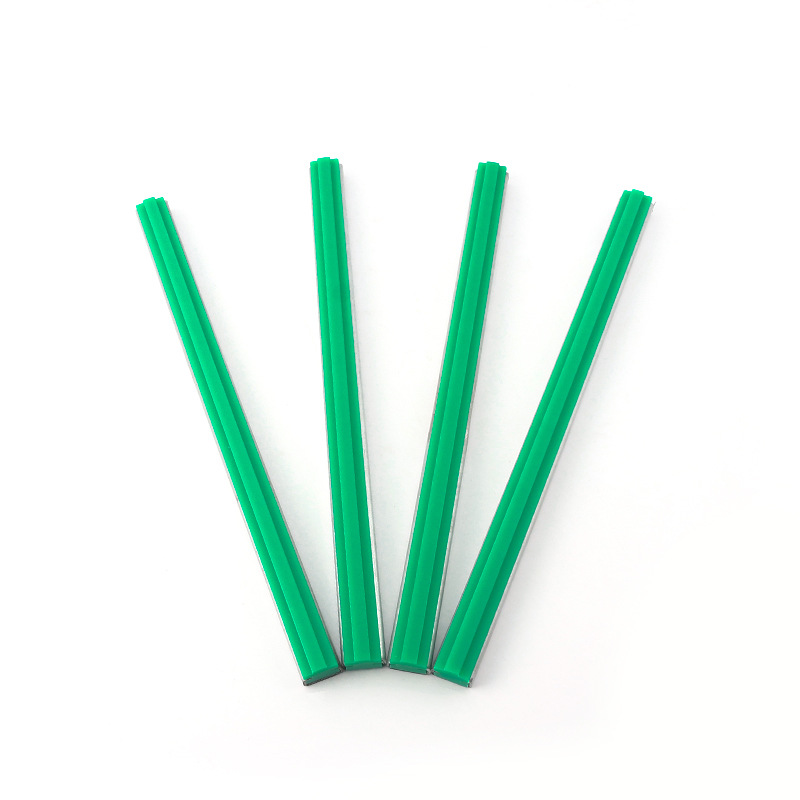
Making an Informed Decision
Selecting the best plastic wear strip for your business needs is not a decision to be taken lightly. As we’ve explored, these seemingly small components play a significant role in the smooth operation, cost – effectiveness, and efficiency of your business operations.
The right plastic wear strip can reduce equipment wear, lower maintenance costs, and enhance production efficiency, all of which directly impact your bottom line. By carefully considering factors such as material compatibility, durability, size and fit precision, and conducting a thorough cost – benefit analysis, you can narrow down your options.
Understanding the different types of plastic wear strips available, like polyethylene, polypropylene, nylon, and UHMW, and learning from real – world case studies can also provide valuable insights. Additionally, following the tips for making the right purchase, such as researching suppliers and testing samples, will help you make a more informed choice.
In today’s competitive business environment, every advantage counts. So, take the time to evaluate your needs, do your research, and make a decision that will ensure the long – term success of your business operations. Your machinery, your production line, and your profit margins will thank you for it.