
- October 16, 2025
- Posted by: feinuojixie
- Category: Chain Guides News

In industrial conveyor systems, a chain guide wear strip plays a silent yet essential role. It supports the chain, minimizes friction, and ensures smooth and efficient movement. However, when the wear strip is of poor quality, its failure can have costly consequences — from excessive chain wear and production downtime to unexpected maintenance expenses. Many operations overlook the subtle signs of low-quality strips until damage has already been done. Learning how to identify red flags early not only extends the lifespan of your conveyor system but also safeguards overall operational efficiency. In this article, we’ll explore the most common indicators of a substandard chain guide wear strip and how to avoid them before they impact your bottom line.
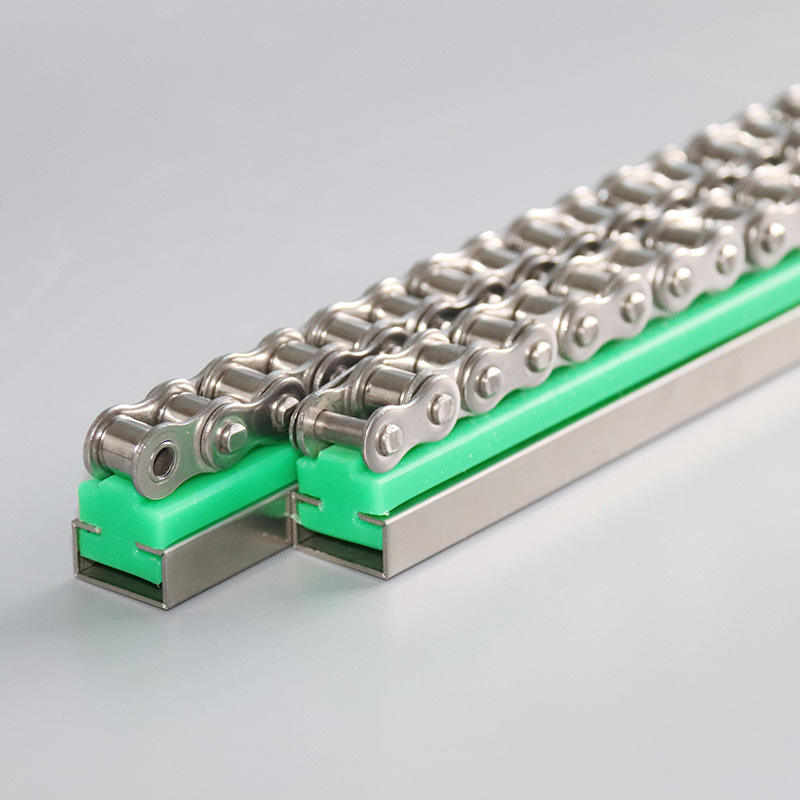
Understanding the Role of a Chain Guide Wear Strip in Conveyor Systems
A chain guide wear strip is designed to reduce friction and guide the chain as it moves along a conveyor system. It provides stability and prevents metal-on-metal contact, which can cause excessive wear, vibration, and noise. High-quality strips are typically made from durable materials such as UHMW (Ultra High Molecular Weight Polyethylene) or HDPE (High-Density Polyethylene), both known for their excellent wear resistance and low friction properties.
When properly engineered, a chain guide wear strip not only supports smooth operation but also reduces maintenance needs and energy consumption. On the other hand, a poorly made strip can compromise the entire system — leading to inefficiency, chain misalignment, or even costly production stoppages. Understanding the core function of the wear strip is the first step to identifying when something isn’t right.
Red Flag #1: Irregular or Rough Surface Finish
One of the first signs of a low-quality chain guide wear strip is a rough or uneven surface. A good wear strip should have a uniform, polished finish that allows the chain to glide effortlessly. If the surface feels coarse or looks irregular, friction increases dramatically during operation. This can cause the chain to drag, generate heat, and wear out much faster than normal.
Rough finishes also indicate poor production methods — such as low-grade extrusion or imprecise machining. Over time, this imperfection leads to vibration and increased noise levels. In severe cases, the uneven texture can cause chain binding or deformation. Always inspect the surface before installation, and choose suppliers who maintain strict quality control and finishing standards.
Red Flag #2: Poor Material Composition and Low-Grade Polymer
The material used in a chain guide wear strip determines how well it performs under load and friction. Some manufacturers cut costs by using recycled or low-grade polymers that lack the density, consistency, and durability needed for industrial use. While these strips may appear similar at first, their performance quickly declines under pressure.
Inferior materials tend to crack, warp, or melt under continuous friction and temperature changes. They also have reduced chemical resistance, making them unsuitable for environments exposed to oils, solvents, or cleaning agents. In contrast, premium UHMW and HDPE materials offer superior strength, dimensional stability, and wear resistance. Always ask for technical data sheets and confirm the polymer grade before purchase.
Red Flag #3: Inconsistent Dimensional Accuracy and Poor Fit
A reliable chain guide wear strip should fit perfectly with the chain and conveyor structure. If dimensions vary across batches or if the strip feels too loose or too tight during installation, it’s a major red flag. Inconsistent dimensions are usually the result of poor mold design or a lack of precision in the manufacturing process.
When the strip does not align properly, it can cause chain misalignment, uneven wear, and extra tension along the conveyor path. These issues reduce system efficiency and increase the risk of mechanical failure. To prevent this, always measure and test a sample before full installation. Suppliers that use CNC machining or precision extrusion processes usually provide better dimensional control and consistency.
Red Flag #4: Rapid Wear and Deformation During Operation
Even with correct installation, a low-quality chain guide wear strip may show signs of wear far too early. If you notice rapid thinning, surface grooves, or warping within a short time, it indicates poor resistance to abrasion and heat. This kind of early deterioration not only affects chain movement but can also lead to expensive downtime for replacement.
The best way to evaluate a wear strip’s longevity is to monitor it during the first few weeks of operation. High-quality UHMW strips maintain their shape and thickness over long periods, even under high loads and continuous operation. If the strip quickly loses its form or changes color due to heat exposure, it’s a clear sign that the material or manufacturing process was substandard.
How to Choose a Reliable Chain Guide Wear Strip Supplier
Selecting a trustworthy supplier is just as important as evaluating the product itself. Look for manufacturers who provide detailed specifications, material certifications, and performance testing data. Suppliers with ISO certification or established quality systems are more likely to maintain consistent production standards.
It’s also wise to request samples for testing in your actual operating conditions. Observe the surface quality, fit, and resistance to wear before placing large orders. Additionally, consider working with suppliers who offer custom machining or design support — this ensures that your chain guide wear strip is optimized for your specific conveyor system.
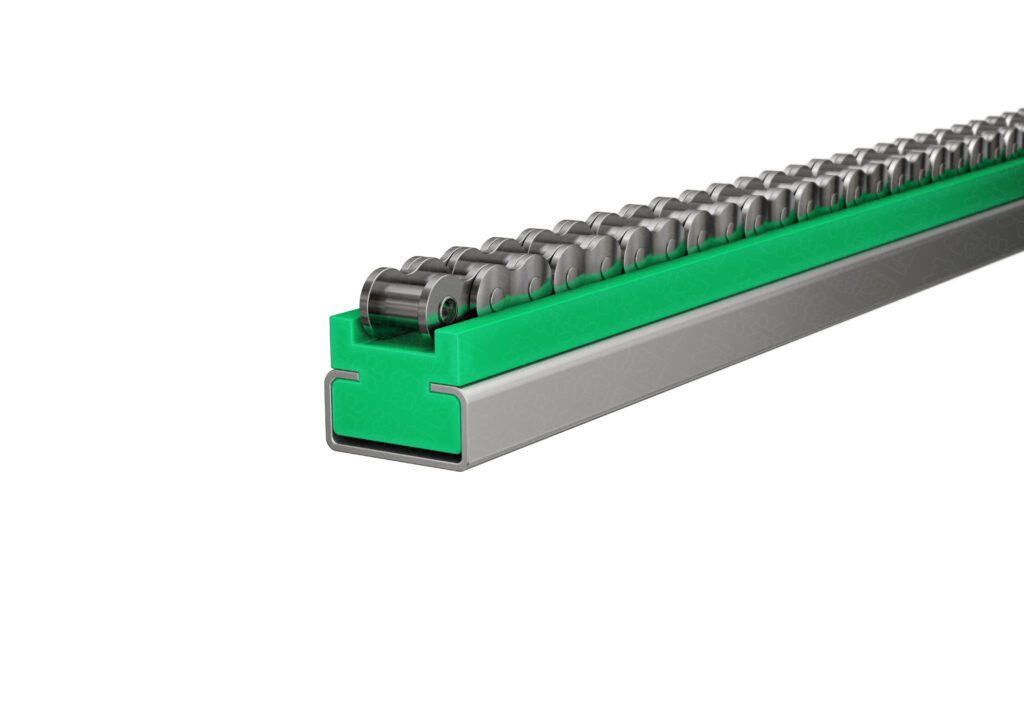
Invest in Quality to Protect Your Equipment and Efficiency
The performance of a chain guide wear strip directly impacts the reliability of your conveyor system. Ignoring signs of low quality can lead to higher maintenance costs, downtime, and potential equipment damage. By watching out for rough finishes, poor materials, inaccurate dimensions, and rapid wear, you can spot inferior products before they cause major issues.
Investing in a high-quality wear strip may seem like a small detail, but it pays off through smoother operation, longer lifespan, and reduced maintenance. In industrial environments where every second counts, choosing the right chain guide wear strip isn’t just a maintenance decision — it’s a strategic move toward long-term efficiency and productivity.