
- July 24, 2025
- Posted by: feinuojixie
- Category: Nylon News
No Comments

In an era where environmental responsibility has become a global imperative, industries across the board are seeking ways to align their operations with sustainable practices. Cast nylon, a versatile material known for its durability and mechanical strength, has long been a staple in manufacturing. Today, forward-thinking cast nylon manufacturers are stepping up to meet the challenge of creating solutions that balance performance with ecological stewardship. This article delves into the innovative sustainable approaches these manufacturers are adopting, from material sourcing to production processes and end-of-life strategies.
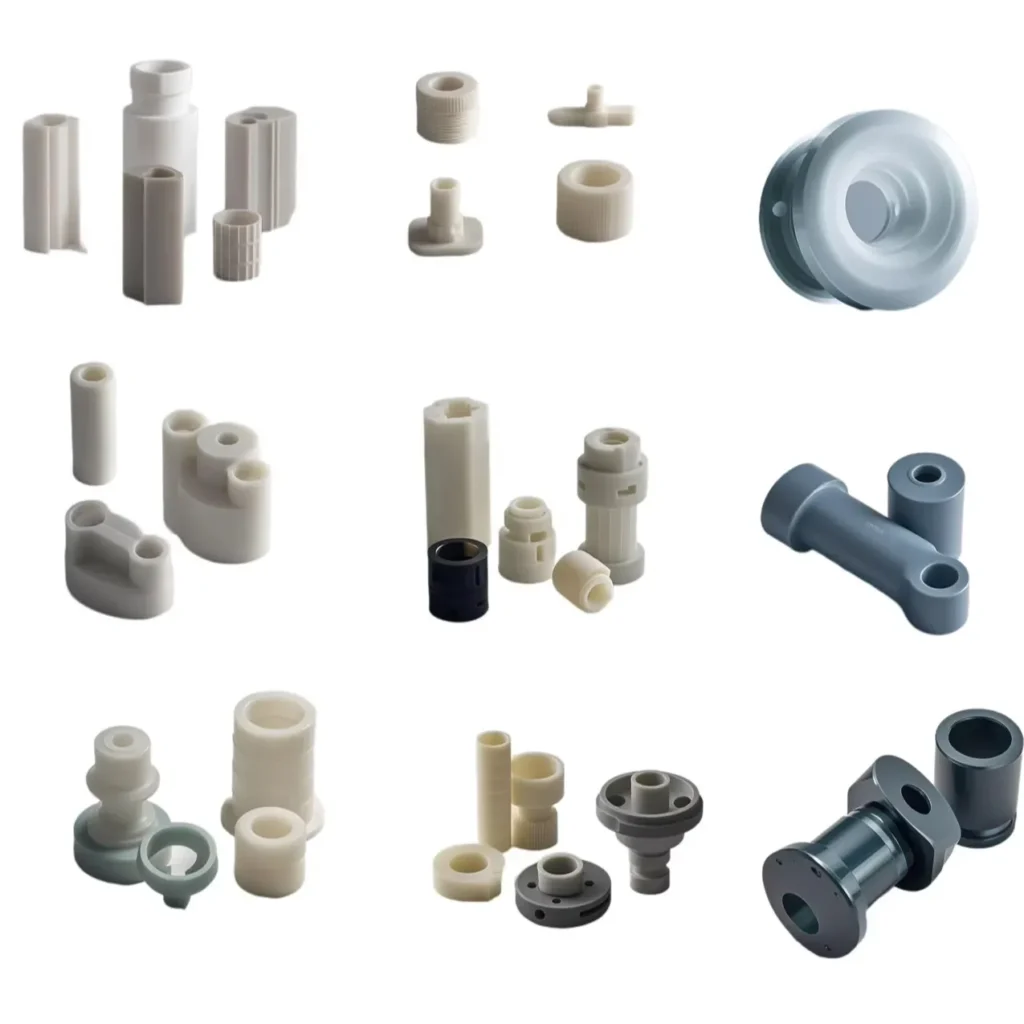
Material Innovation: The Core of Sustainable Practices by Cast Nylon Manufacturers
Biobased Feedstocks: Reducing Dependence on Fossil Fuels
Modern cast nylon manufacturers are increasingly incorporating biobased raw materials into their formulations. By sourcing components from renewable resources such as plant-based polymers, they reduce the industry’s reliance on petroleum-derived products. These biobased alternatives not only lower the carbon footprint associated with material production but also maintain the high-quality mechanical properties that make cast nylon desirable for industrial applications. Manufacturers are collaborating with agricultural suppliers and research institutions to develop more sustainable feedstock sources, ensuring a more resilient and eco-friendly supply chain.
Recycled Content Integration: Closing the Loop on Waste
Another key aspect of material innovation is the integration of recycled cast nylon into new products. Manufacturers are implementing sophisticated recycling processes that can reclaim waste from production scraps, end-of-life products, and post-consumer waste streams. By cleaning, processing, and reintroducing these recycled materials into their manufacturing cycles, they not only reduce the amount of waste sent to landfills but also conserve natural resources. Rigorous quality control measures ensure that recycled-content products meet the same performance standards as their virgin counterparts, making sustainability a viable and practical choice for customers.
Sustainable Production Processes: Minimizing Environmental Impact
Energy-Efficient Manufacturing Techniques
Cast nylon manufacturers are investing in state-of-the-art equipment and technologies that optimize energy usage during production. Advanced casting and molding systems, combined with intelligent process control software, allow for precise temperature and pressure management, reducing energy waste. Many facilities are also transitioning to renewable energy sources such as solar or wind power to meet their operational energy needs, further decreasing their greenhouse gas emissions. These efficiency improvements not only benefit the environment but also lead to long-term cost savings, making sustainability a win-win for both the planet and the bottom line.
Waste Reduction and Water Conservation
In addition to energy efficiency, manufacturers are implementing strategies to minimize waste generation and conserve water resources. Closed-loop cooling systems capture and reuse water used in the casting process, reducing freshwater consumption significantly. Waste management programs focus on separating and recycling different types of production waste, from plastic trimmings to packaging materials. By adopting lean manufacturing principles, companies are streamlining their operations to eliminate unnecessary steps and materials, creating a more sustainable production environment. These initiatives demonstrate a commitment to environmental responsibility at every stage of the manufacturing process.
Circular Economy Models: Designing for Longevity and Reusability
Product Design with End-of-Life in Mind
Cast nylon manufacturers are embracing the concept of the circular economy by designing products that are easier to disassemble, repair, and recycle. By considering the entire lifecycle of their products during the design phase, they ensure that components can be efficiently recovered and reused when the product reaches the end of its service life. This approach not only reduces waste but also enhances product durability, as designs that prioritize repairability often lead to longer-lasting goods. Through modular design and the use of standardized components, manufacturers are creating products that can adapt to changing needs, further extending their useful life and reducing the demand for new materials.
Partnerships for Extended Producer Responsibility
To fully realize the circular economy, many cast nylon manufacturers are partnering with downstream stakeholders, including recyclers, waste management companies, and end-users. These partnerships help establish clear pathways for product take-back and recycling, ensuring that end-of-life materials are properly processed and reintegrated into the supply chain. By taking responsibility for the entire lifecycle of their products, manufacturers are driving systemic change towards a more sustainable industrial ecosystem. These collaborative efforts not only enhance environmental performance but also build stronger relationships with customers who value corporate responsibility.
Collaborating for a Greener Future: Industry Initiatives and Certifications
Joining Global Sustainability Networks
Cast nylon manufacturers are increasingly participating in international sustainability initiatives and standards organizations. By adhering to frameworks such as the Global Reporting Initiative (GRI) or the United Nations Sustainable Development Goals (SDGs), they demonstrate their commitment to transparent and responsible business practices. These memberships also provide access to valuable resources, best practices, and networking opportunities that help accelerate the adoption of sustainable solutions across the industry. Through collective action, manufacturers are able to address shared environmental challenges more effectively than they could alone.
Achieving Environmental Certifications
Third-party certifications such as ISO 14001 (Environmental Management Systems) and EcoVadis ratings have become important markers of a manufacturer’s sustainability credentials. Cast nylon manufacturers are working to obtain these certifications by implementing rigorous environmental management systems, conducting regular audits, and continuously improving their performance. These certifications not only validate a company’s sustainable practices but also give customers confidence that they are partnering with environmentally responsible suppliers. In a competitive market, these credentials can set manufacturers apart and attract environmentally conscious clients.
Case Studies: Real-World Examples of Sustainable Leadership
Company A: Pioneering Closed-Loop Production
Company A, a leading cast nylon manufacturer, has successfully implemented a closed-loop production system that recycles 100% of its production waste. By investing in on-site recycling facilities and developing proprietary processes to clean and reprocess waste materials, the company has reduced its reliance on virgin raw materials by 30% in just three years. Their commitment to sustainability has not only earned them multiple environmental awards but also attracted new customers in industries such as renewable energy and electric vehicles, where sustainability is a key purchasing criterion.
Company B: Developing Biodegradable Nylon Composites
Company B has taken a different approach to sustainability by focusing on developing biodegradable cast nylon composites. In collaboration with academic researchers, they have created a range of materials that incorporate natural fibers and biodegradable additives, allowing their products to break down safely in industrial composting facilities at the end of their life. While maintaining the mechanical strength required for heavy-duty applications, these composites offer a sustainable alternative for industries such as construction and agriculture, where material disposal is a significant environmental concern.
Overcoming Challenges: Balancing Sustainability and Performance
Technical Barriers in Sustainable Material Development
While the drive for sustainability has led to many innovations, there are still technical challenges in developing sustainable cast nylon materials that meet all performance requirements. For example, biobased or recycled materials may have different thermal or mechanical properties than traditional formulations, requiring extensive research and development to optimize their performance. Cast nylon manufacturers are addressing these challenges through ongoing collaboration with material scientists and investment in R&D, ensuring that sustainable solutions do not compromise on quality or functionality.
Economic Considerations and Market Adoption
Another hurdle is the economic aspect of sustainable practices. Investing in new technologies, recycling infrastructure, and R&D can require significant upfront costs, which may be a barrier for smaller manufacturers. However, as consumer and regulatory demand for sustainability grows, the long-term benefits in terms of brand reputation, customer loyalty, and access to new markets are becoming increasingly evident. Many manufacturers are finding that sustainable practices not only differentiate them in the market but also lead to operational efficiencies that offset initial investments over time.
The Future of Sustainable Cast Nylon Manufacturing
As environmental regulations tighten and consumer awareness continues to rise, the role of cast nylon manufacturers in driving sustainable solutions will only become more important. The future holds promise for even more innovative approaches, such as the development of fully circular nylon products, further integration of renewable energy in production, and the creation of global standards for sustainable material use. By staying at the forefront of eco-conscious innovation, cast nylon manufacturers can position themselves as leaders in a rapidly evolving industrial landscape, contributing to a more sustainable future for both their businesses and the planet.
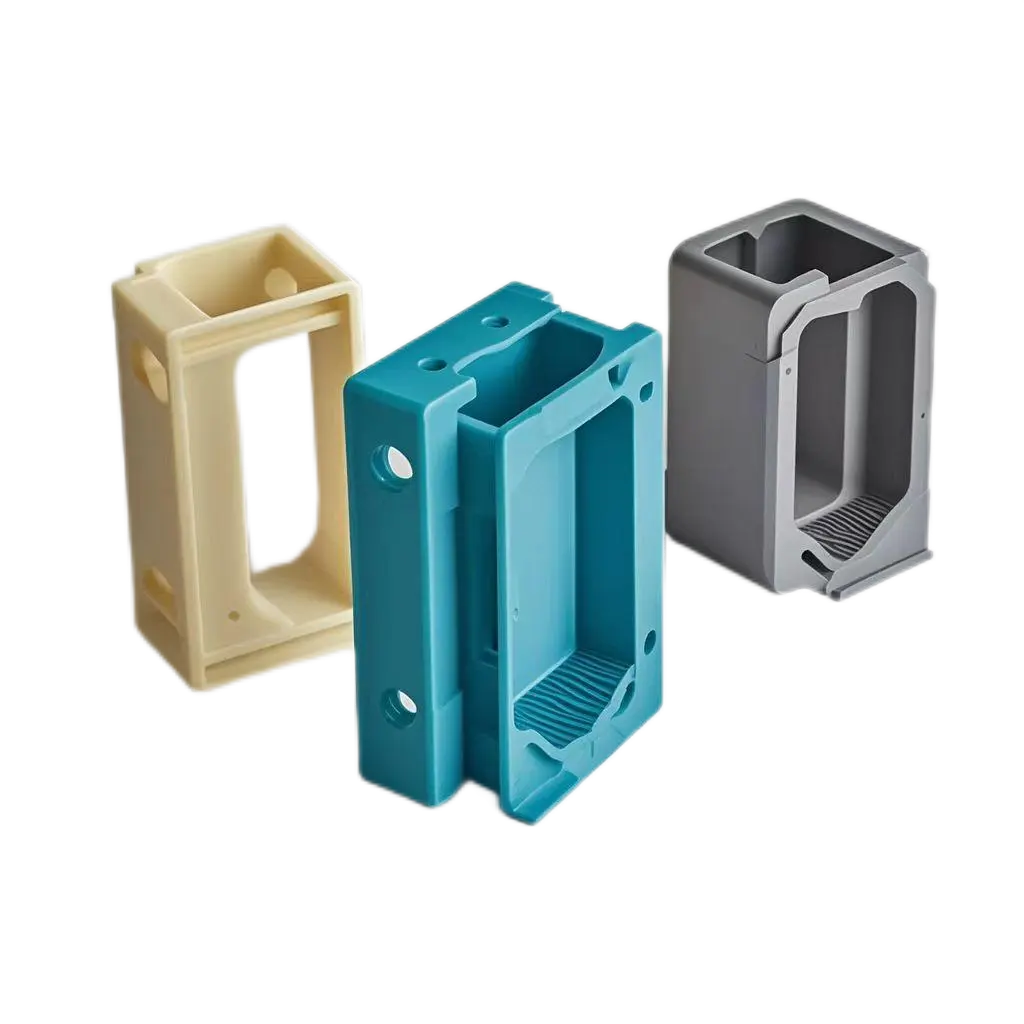
Cast Nylon Manufacturers as Champions of Sustainability
In conclusion, cast nylon manufacturers are proving that sustainability and industrial performance can go hand in hand. Through material innovation, sustainable production processes, circular economy models, and collaborative initiatives, they are creating solutions that meet the needs of today without compromising the ability of future generations to meet their own. As the demand for eco-friendly materials continues to grow, these manufacturers are not just adapting—they are leading the way, demonstrating that environmental responsibility is not only a moral imperative but also a strategic advantage in the global marketplace. By choosing to work with sustainable cast nylon manufacturers, industries can take a significant step towards building a more sustainable and resilient future.