
- September 18, 2025
- Posted by: feinuojixie
- Category: Chain Guides News
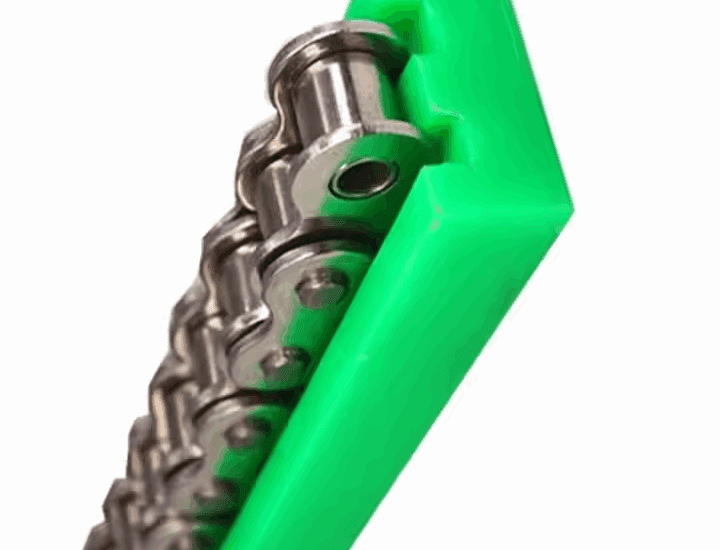
When it comes to keeping industrial equipment running smoothly, a UHMW wear strip plays a critical role. This simple yet powerful component reduces friction, absorbs impact, and ensures that moving parts operate with minimal resistance. Choosing the right strip is not just a technical detail—it directly impacts safety, productivity, and long-term cost savings. With so many applications across industries like packaging, food processing, and woodworking, it is essential for buyers to understand what makes one strip different from another and how to select the best fit for their unique needs.
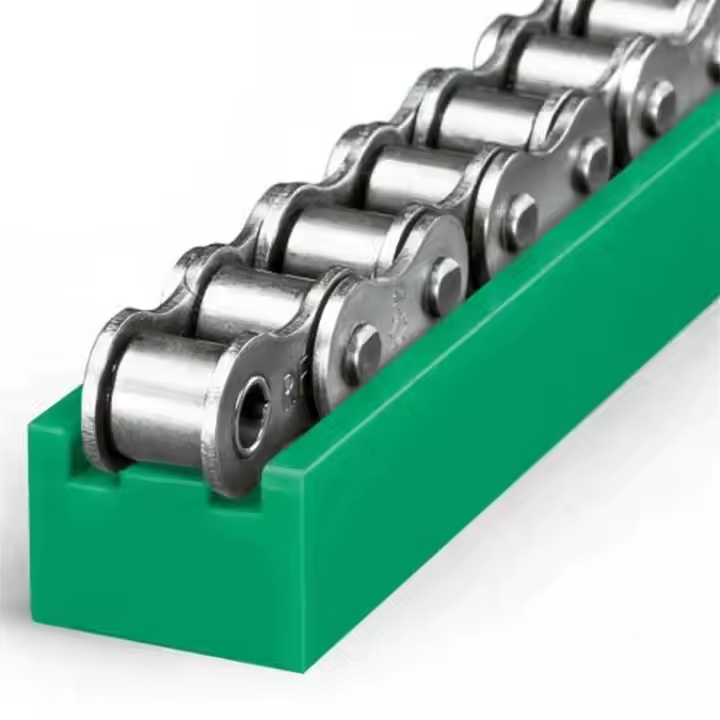
What is a UHMW Wear Strip?
A UHMW wear strip is a guiding and protective component made from Ultra High Molecular Weight Polyethylene. This engineered thermoplastic is known for its exceptional toughness, resistance to abrasion, and extremely low coefficient of friction. In practical terms, it allows chains, belts, and other moving parts to glide smoothly without wearing down quickly. Unlike metals that may corrode or nylon that may deform under stress, UHMW maintains stability even under high-impact and demanding conditions. Its ability to withstand repeated contact without losing strength makes it an ideal solution for many industrial environments.
Benefits of Using a UHMW Wear Strip in Industrial Applications
The adoption of a UHMW wear strip brings measurable benefits to operations. First, it extends the lifespan of equipment by minimizing direct metal-to-metal contact that causes premature wear. Second, it reduces downtime by lowering the frequency of maintenance and part replacement. Third, it enhances operational efficiency because machinery can run more smoothly and at higher speeds with less resistance. Finally, its noise-reducing properties create a safer and more comfortable work environment, which is particularly valuable in fast-moving production lines.
Key Factors to Consider When Choosing a UHMW Wear Strip
Not all UHMW wear strip options are the same, and selecting the right one requires careful consideration. Load and pressure are the first aspects to evaluate, as heavier equipment demands thicker or reinforced strips. Speed and friction also play a role—applications with high chain or belt velocity may need strips with specialized lubrication properties. Temperature and environmental conditions should be assessed as well, especially if equipment operates in cold storage, humid areas, or outdoors. Compatibility with existing conveyor or equipment design is equally critical, as choosing the wrong size or profile can lead to installation challenges.
Comparing UHMW Wear Strip to Alternative Materials
When compared to other materials, UHMW often proves to be the superior choice. Against nylon, UHMW offers better impact resistance and a lower friction coefficient, ensuring smoother operation. Against metal guides, UHMW provides a quieter and corrosion-free solution that avoids sparking and excessive wear. While each material has its place, UHMW stands out as the most versatile option for industries that demand both durability and performance under continuous operation.
Common Applications of UHMW Wear Strip Across Industries
A UHMW wear strip is highly versatile, finding its place in multiple industries. In packaging and logistics, it ensures that conveyor belts and chains move consistently without excessive wear. In food processing, its non-toxic and easy-to-clean properties make it a hygienic option that complies with safety regulations. In woodworking and sawmill operations, it helps reduce friction between heavy lumber and conveyor systems. In agriculture, it is used in machinery that handles grain, feed, and other materials under harsh outdoor conditions. These wide-ranging applications highlight just how indispensable this component has become.
How to Determine the Right Size and Thickness of a UHMW Wear Strip
Choosing the right size and thickness is a crucial step for ensuring reliable performance. Start by measuring the equipment where the strip will be installed, paying attention to the width and groove dimensions. Observe existing wear patterns to determine whether a thicker or more reinforced strip is needed. Manufacturers often provide guidelines and specifications that can help in selecting the most suitable profile. Consulting with a supplier can also prevent costly mistakes and ensure that the chosen strip aligns perfectly with operational requirements.
Installation Tips for a UHMW Wear Strip
Proper installation is key to getting the most out of a UHMW wear strip. Begin by preparing and cleaning the surface to remove dirt, grease, or debris that may interfere with adhesion or fastening. Choose the right fastening method, whether it involves mechanical fasteners, adhesives, or a combination of both. During installation, ensure the strip sits flush with the equipment to prevent uneven wear or vibration. Following these best practices not only improves performance but also extends the service life of the strip.
Signs It’s Time to Replace a UHMW Wear Strip
Even the most durable UHMW wear strip will eventually show signs of wear. Visible grooves, thinning material, or cracks are clear indicators that replacement is necessary. Increased noise or vibration during operation may signal that the strip is no longer providing adequate cushioning or alignment. Another sign is reduced efficiency, such as materials moving unevenly or with more resistance than usual. Recognizing these warning signals early helps prevent costly breakdowns and keeps equipment performing at peak levels.
Cost Considerations and Value of a UHMW Wear Strip
At first glance, the cost of a UHMW wear strip may seem higher than some alternatives, but its long-term value far outweighs the initial investment. Reduced maintenance, fewer replacements, and minimized downtime all contribute to a better return on investment. Additionally, the durability of UHMW ensures that operations run more smoothly, which translates into higher productivity and lower operating costs over time. In industries where efficiency and reliability directly impact profitability, this value is impossible to overlook.
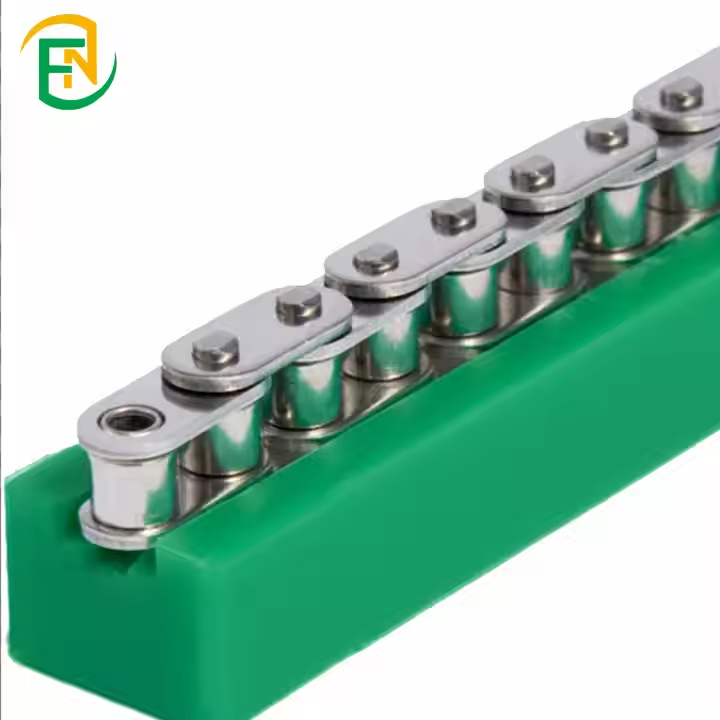
Making the Smart Choice with UHMW Wear Strip
Selecting the right UHMW wear strip for your application is not simply a matter of preference—it is a decision that affects equipment performance, safety, and overall operating costs. By understanding what UHMW is, evaluating its benefits, and considering factors such as load, environment, and size, buyers can make an informed choice. With proper installation and maintenance, a UHMW wear strip delivers lasting durability and efficiency, ensuring smooth operations across a wide range of industries. Making this smart investment today can save time, money, and resources in the long run.