
- January 4, 2026
- Posted by: feinuojixie
- Category: Chain Guides News

Industrial automation is advancing at an unprecedented pace, driven by the need for higher productivity, greater accuracy, and reduced operational costs. As factories evolve into highly connected and intelligent systems, every mechanical component must meet stricter performance standards. Within this transformation, chain guides for roller chain are emerging as a foundational element that supports smooth motion, system reliability, and long-term operational stability. Understanding how these components will evolve is essential for manufacturers planning for the future of automation.
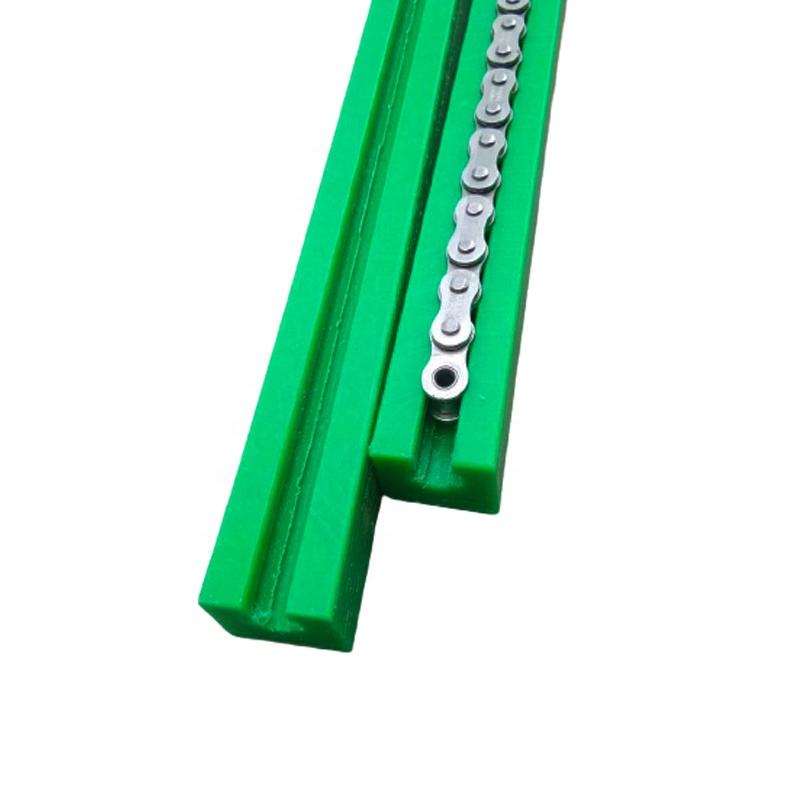
Why Chain Guides for Roller Chain Matter in Modern Industrial Automation
In automated environments, consistency and predictability are critical. Chain guides for roller chain help ensure that power transmission remains controlled and efficient, even under continuous operation. As automation systems operate at higher speeds and tighter tolerances, poorly guided chain movement can lead to misalignment, excessive wear, and unexpected downtime. By providing stable guidance and reducing friction, chain guides for roller chain play a direct role in maintaining production efficiency and protecting expensive equipment.
The Role of Chain Guides for Roller Chain in High-Precision Automated Systems
High-precision automation systems such as robotic assembly lines and automated packaging equipment demand exact chain positioning. Chain guides for roller chain help maintain accurate chain paths, minimizing lateral movement and vibration. This stability is essential for ensuring repeatable motion and consistent output quality. As precision requirements increase, the design and tolerance of chain guides for roller chain become even more critical to overall system performance.
How Material Innovation Is Shaping the Future of Chain Guides for Roller Chain
Material science is one of the most influential factors shaping the future of chain guides for roller chain. Advanced engineered plastics and composite materials offer improved wear resistance, lower friction, and quieter operation compared to traditional materials. These innovations allow chain guides for roller chain to perform reliably in demanding environments, including high-speed systems, corrosive conditions, and temperature-sensitive applications. As materials continue to evolve, chain guides will become lighter, stronger, and more adaptable.
Smart Manufacturing Trends Driving Demand for Advanced Chain Guides for Roller Chain
The rise of smart manufacturing has introduced new expectations for mechanical components. Automation systems are now designed to operate continuously while generating data for performance monitoring and predictive maintenance. Chain guides for roller chain must support these goals by delivering consistent performance over long service intervals. Their reliability directly influences the effectiveness of smart production strategies, making them a key consideration in future automation planning.
Chain Guides for Roller Chain and the Shift Toward Low-Maintenance Automation
Reducing maintenance is a major objective in modern industrial automation. Chain guides for roller chain contribute to this goal by minimizing chain wear and reducing the need for frequent lubrication. Well-designed guidance systems help prevent uneven loading and surface damage, extending the life of both the chain and surrounding components. As factories aim to lower total cost of ownership, low-maintenance chain guides for roller chain will become an increasingly valuable asset.
Customization and Modular Design in Next-Generation Chain Guides for Roller Chain
Automation systems are rarely identical, and future solutions demand flexibility. Customization and modular design are becoming defining trends in chain guides for roller chain. Manufacturers are developing application-specific profiles and modular assemblies that integrate seamlessly into complex layouts. This adaptability allows chain guides for roller chain to support a wide range of industries, from automotive production to food processing, without compromising performance.
Sustainability and Energy Efficiency Through Chain Guides for Roller Chain
Sustainability is now a core consideration in industrial design. Chain guides for roller chain support energy efficiency by reducing friction and ensuring smooth power transmission. Lower resistance translates into reduced energy consumption and less mechanical stress. Additionally, longer service life means fewer replacements and less material waste. As sustainability goals become more ambitious, chain guides for roller chain will continue to support greener manufacturing practices.
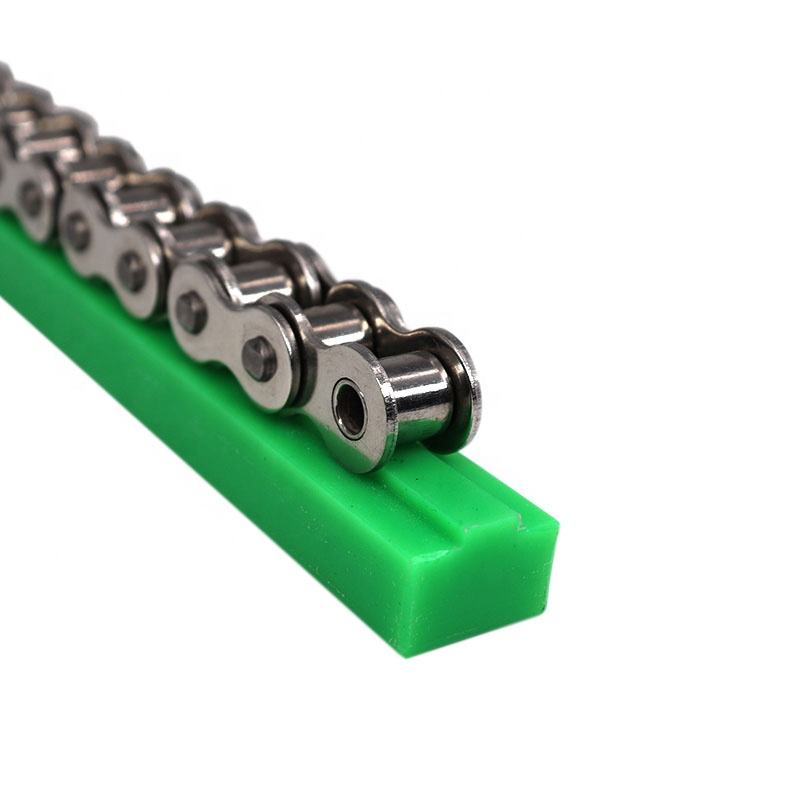
Challenges Facing the Future Development of Chain Guides for Roller Chain
Despite ongoing innovation, challenges remain. Increasing system complexity places higher demands on chain guides for roller chain, requiring precise engineering and compatibility with advanced automation technologies. Environmental factors, such as extreme temperatures or chemical exposure, also present design challenges. Overcoming these obstacles will require close collaboration between automation designers and component manufacturers.
What the Future Holds for Chain Guides for Roller Chain in Industrial Automation
The future of industrial automation depends on components that deliver reliability, efficiency, and adaptability. Chain guides for roller chain will continue to evolve alongside smarter machines, advanced materials, and sustainable manufacturing goals. By investing in forward-thinking design and application-specific solutions, manufacturers can ensure that chain guides for roller chain remain a vital contributor to the next generation of automated industrial systems.