
- August 18, 2025
- Posted by: feinuojixie
- Category: Chain Guides News
No Comments
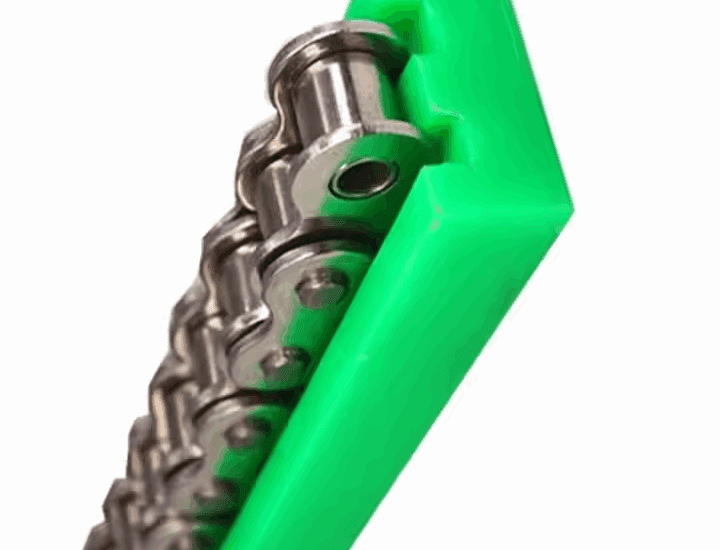
In the dynamic realm of mechanical engineering, the search for components that can enhance performance, durability, and operational efficiency is a constant pursuit. Among the latest innovations making waves, the game-changing roller chain guide has emerged as a standout solution, capturing the attention and admiration of engineers worldwide. This blog post delves deep into the world of this revolutionary roller chain guide, exploring its features, benefits, real-world applications, and how it’s reshaping the engineering landscape.

The Evolution of Roller Chain Guides
Roller chain guides have long been essential in mechanical systems, ensuring smooth chain movement, reducing friction, and preventing derailment. However, traditional guides had limitations in terms of wear resistance, precision, and adaptability to diverse operating conditions. The new-generation roller chain guide represents a significant leap forward, incorporating advanced materials, innovative designs, and cutting-edge manufacturing techniques. These advancements address the pain points of conventional guides, setting a new standard for performance and reliability in mechanical engineering.
Unveiling the Key Features
High-Quality Materials
The roller chain guide is crafted from top-notch materials that offer exceptional strength, durability, and chemical resistance. High-grade polymers and specialized alloys are often used, providing superior wear resistance compared to traditional materials. This ensures a longer lifespan for the guide, reducing maintenance requirements and replacement costs over time.
Precision Engineering
Precision is at the core of this roller chain guide’s design. With tight tolerances and meticulous manufacturing processes, it guarantees smooth and consistent chain movement. The guide’s surface finish is optimized to minimize friction, enabling the chain to glide effortlessly and reducing energy consumption. This level of precision also contributes to enhanced system accuracy and repeatability, crucial in applications where precision matters.
Adaptability
One of the most remarkable features of this roller chain guide is its adaptability. It can be customized to fit a wide range of chain sizes, configurations, and operating environments. Whether it’s a high-speed application, a heavy-load scenario, or an environment with extreme temperatures or harsh chemicals, the guide can be tailored to meet the specific requirements. This flexibility makes it a versatile solution for various industries and engineering projects.
The Benefits That Engineers Love
Improved Performance
By reducing friction and ensuring smooth chain movement, the roller chain guide significantly improves the overall performance of mechanical systems. It enhances the efficiency of power transmission, allowing machinery to operate at optimal levels. This leads to increased productivity, reduced downtime, and improved product quality in manufacturing processes.
Extended Component Lifespan
The wear-resistant materials and precision design of the guide contribute to extending the lifespan of not only the guide itself but also the roller chain and other related components. Minimizing friction and preventing chain derailment reduces the stress and wear on these parts, saving engineers from frequent replacements and associated costs.
Enhanced Safety
Safety is a top priority in engineering, and this roller chain guide plays a crucial role in ensuring it. By keeping the chain in place and preventing it from coming off the sprockets, it reduces the risk of accidents and equipment damage. This is especially important in high-speed or heavy-duty applications where a chain failure could have serious consequences.
Real-World Applications
Manufacturing Industry
In manufacturing plants, the roller chain guide is widely used in conveyor systems, assembly lines, and various machinery. It enables smooth and reliable movement of products, improving production efficiency and reducing the likelihood of product damage. For example, in automotive manufacturing, it ensures the precise movement of parts along the assembly line, contributing to the quality and consistency of the final product.
Packaging Industry
The packaging industry relies on efficient and reliable machinery to package products quickly and accurately. The roller chain guide is essential in packaging equipment, such as filling machines, labeling machines, and sealing machines. It helps maintain the smooth operation of these machines, ensuring that products are packaged correctly and at a high production rate.
Material Handling
In warehouses and distribution centers, material handling equipment, including overhead cranes, forklifts, and conveyor belts, benefits from the use of the roller chain guide. It enables the safe and efficient movement of heavy loads, improving the overall productivity of the facility. The guide’s adaptability allows it to be integrated into different types of material handling systems, meeting the diverse needs of the industry.
Choosing the Right Roller Chain Guide
When selecting a roller chain guide, several factors need to be considered. These include the type and size of the chain, the operating speed and load requirements, the environmental conditions, and the specific application. Engineers should also look for a reliable manufacturer that offers high-quality products, comprehensive technical support, and a good warranty. By carefully evaluating these factors, engineers can ensure they choose the most suitable roller chain guide for their projects, maximizing its benefits and performance.
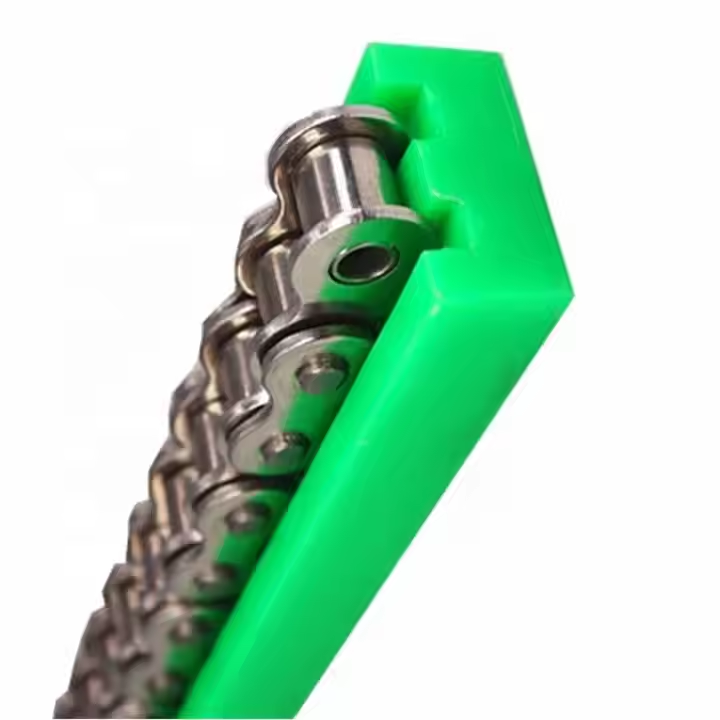
The Future of Engineering with Roller Chain Guides
As technology continues to advance, the potential of the roller chain guide in engineering is only set to grow. With ongoing research and development, we can expect even more innovative features and improvements in the future. From smarter designs that can self-monitor and adjust to changing conditions to the use of advanced materials with enhanced properties, the roller chain guide will continue to play a vital role in driving the evolution of mechanical engineering, enabling engineers to achieve new heights of precision, efficiency, and performance.