
- October 23, 2025
- Posted by: feinuojixie
- Category: Chain Guides News

In today’s competitive manufacturing landscape, businesses are constantly seeking smarter, faster, and more efficient ways to produce high-quality products. One of the most impactful solutions lies in injection molded part, a technology that has revolutionized how everything from consumer electronics to automotive components is made. While many companies recognize injection molding for its cost-effectiveness, few fully appreciate the hidden advantages it brings in terms of design flexibility, material diversity, sustainability, and long-term durability.
Injection molding has evolved far beyond a simple manufacturing method—it’s now a powerful enabler of innovation. Whether you’re designing sleek consumer products or industrial components, understanding how injection molded part can enhance product performance and streamline production could be the key to maintaining a competitive edge.
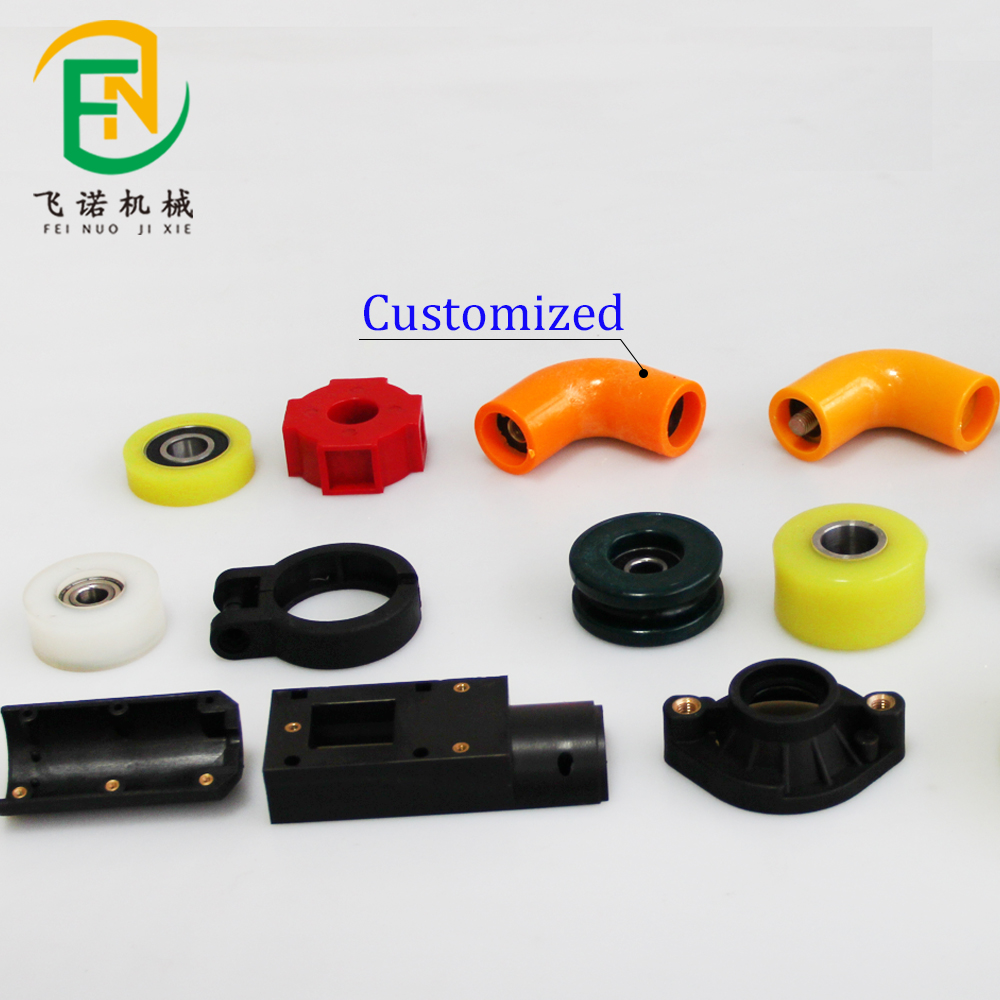
Understanding What Makes Injection Molded Part Unique
At its core, injection molding is a process where molten plastic is injected into a mold cavity to form a specific shape. Once cooled, the material solidifies into a finished part with exceptional accuracy. This precision-driven method allows manufacturers to produce parts with complex geometries that would be difficult—or even impossible—to achieve using traditional machining or casting.
The uniqueness of an injection molded part lies in its ability to combine speed with repeatability. Whether you’re producing a few hundred or several million pieces, each part can be made with identical specifications. This consistency makes injection molding a preferred method for industries that demand reliability, such as medical devices, consumer goods, and electronics.
Cost Efficiency That Drives Business Success
One of the most visible advantages of using injection molded part is the significant cost efficiency it offers. While the initial investment in mold design and tooling can be high, the long-term benefits far outweigh the upfront cost. Once the mold is created, production cycles are fast, and material waste is kept to a minimum.
Injection molding also supports the use of recycled plastics, which further reduces raw material costs. The process is highly automated, meaning labor expenses are lower compared to manual production. For businesses aiming to scale quickly while maintaining profitability, injection molded part presents a smart and sustainable solution that maximizes output while minimizing waste and cost.
Superior Strength and Durability
Injection molded part are not only economical—they’re engineered for performance. Through the careful selection of materials and process parameters, manufacturers can achieve parts that exhibit remarkable strength and durability. Many plastics used in injection molding are reinforced with fibers or additives that improve impact resistance, heat tolerance, and structural integrity.
These properties make injection molded part ideal for demanding environments such as automotive systems, medical tools, and outdoor equipment. Unlike other manufacturing methods that may produce weaker joints or inconsistent textures, injection molding delivers uniform strength throughout the part, ensuring long-term reliability and safety.
Design Flexibility for Endless Possibilities
Design innovation often begins with creative freedom—and injection molded part make that possible. The technology supports the creation of intricate shapes, fine details, and smooth surfaces that would be nearly impossible with traditional manufacturing. From integrated threads and logos to ergonomic contours, injection molding opens up countless possibilities for product designers.
Additionally, multi-cavity molds and insert molding allow for the combination of different materials or components in a single production cycle. This flexibility enables manufacturers to add functional features—such as soft-touch grips or transparent windows—without secondary assembly steps. For businesses, that means faster production and more distinctive, user-friendly products.
Consistency and Precision at Scale
When it comes to large-scale manufacturing, precision is non-negotiable. Injection molded part offer unmatched repeatability, ensuring every unit meets exact specifications. Advanced mold-making technologies, computer-aided design (CAD), and automated monitoring systems all contribute to maintaining strict dimensional control.
This consistency minimizes the risk of defective parts, reducing post-production inspections and rework. For industries that rely on precision components—such as electronics, aerospace, and healthcare—this reliability translates to better product performance and customer satisfaction.
Material Versatility That Expands Application
Another hidden advantage of injection molded part is the vast range of materials available. Manufacturers can choose from hundreds of thermoplastics, thermosets, and elastomers to achieve specific mechanical, thermal, or aesthetic properties.
For example, high-performance polymers such as polycarbonate and nylon are perfect for impact-resistant components, while ABS offers a smooth finish for consumer goods. The ability to blend materials or add reinforcements like glass fibers further expands design options. This versatility means injection molded part can be tailored for nearly any application—from lightweight electronics housings to heavy-duty industrial fittings.
Sustainability and Environmental Benefits
In an era of increasing environmental awareness, sustainability has become a key consideration in manufacturing—and injection molded part fit perfectly into that trend. The process itself generates minimal scrap, as excess material can often be re-ground and reused. Many manufacturers are also adopting bio-based or biodegradable plastics, reducing their reliance on fossil-based materials.
Moreover, the durability and efficiency of injection molded part contribute to longer product lifespans and less waste over time. Combined with closed-loop recycling systems, injection molding supports a more sustainable production cycle that benefits both businesses and the environment.
Faster Time to Market and Streamlined Production
Speed matters in product development, and injection molding delivers impressive efficiency. Once a mold is created, parts can be produced in seconds or minutes, allowing manufacturers to ramp up production quickly. This fast turnaround shortens lead times and accelerates the journey from prototype to market-ready product.
Furthermore, advanced simulation software can predict potential design flaws before physical molds are made, saving time and cost during development. This streamlined process allows companies to respond quickly to market demands, update designs, and maintain a strong competitive position.
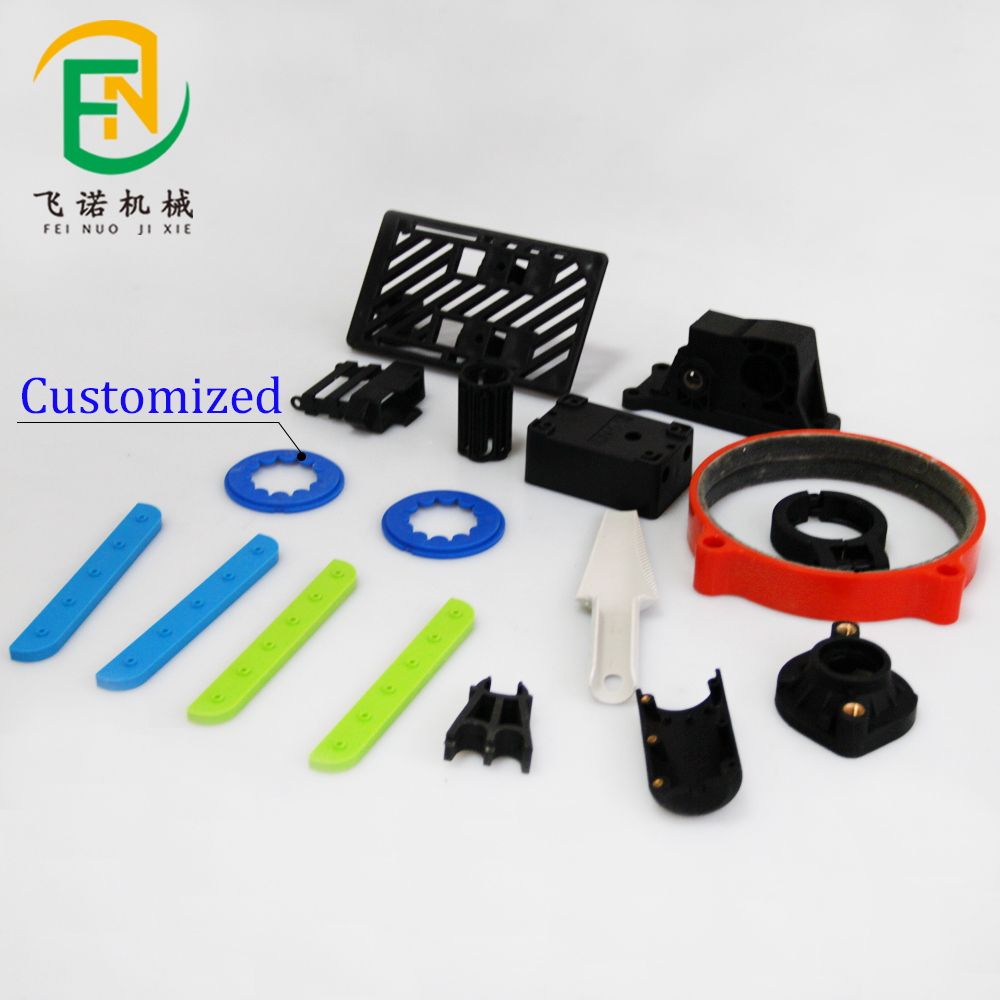
Why Choosing the Right Manufacturer Matters
Even the best design and materials can fall short without a skilled manufacturer. The success of an injection molded part depends heavily on expertise in mold design, process optimization, and quality control. Partnering with an experienced injection molding specialist ensures that every detail—from material selection to surface finish—is executed flawlessly.
A professional manufacturer can also provide value-added services such as part assembly, labeling, and packaging, helping businesses save time and manage supply chains more efficiently. Ultimately, choosing the right partner can turn a good product idea into a high-performance solution that stands out in the marketplace.
Conclusion
The true power of injection molded part lies not only in affordability but also in the hidden advantages that enhance performance, sustainability, and innovation. From unmatched precision to material flexibility and design freedom, this manufacturing method continues to shape the future of modern production.
By leveraging these benefits, companies can create products that are stronger, lighter, more efficient, and environmentally responsible—all while keeping costs under control. In today’s fast-paced and competitive world, understanding and utilizing the potential of injection molded part is not just a smart choice—it’s a strategic advantage for lasting success.