
- September 26, 2025
- Posted by: feinuojixie
- Category: Chain Guides News
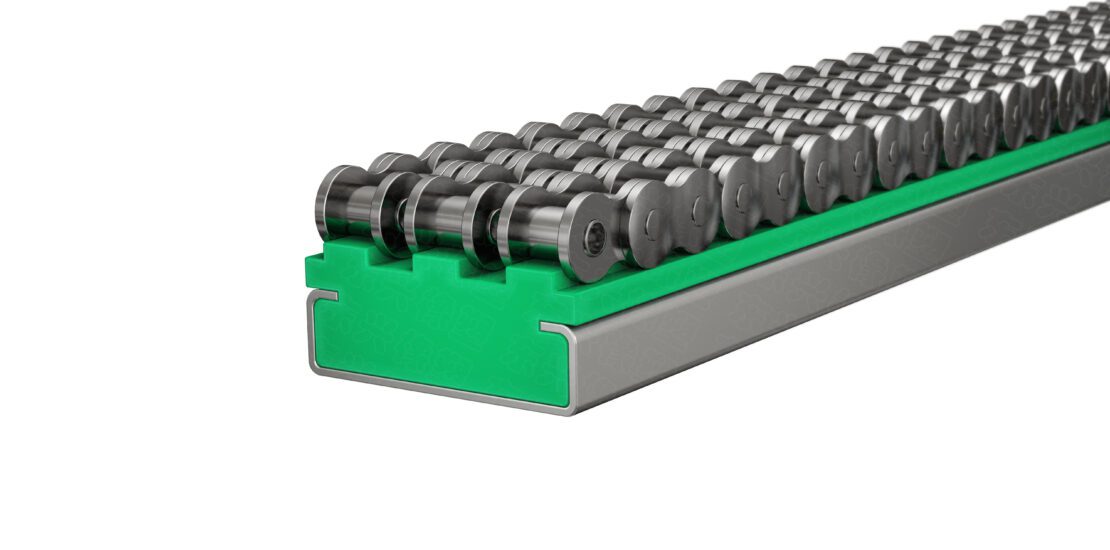
Ultra-High Molecular Weight (UHMW) guide rails are a remarkable innovation in the world of industrial components. Made from a type of thermoplastic with an extremely high molecular weight, UHMW guide rails offer unique properties that set them apart from traditional guide rail materials like metal or standard plastics.
One of the most notable basic characteristics of UHMW guide rails is their outstanding abrasion resistance. This property allows them to withstand high levels of friction and wear over extended periods, making them a reliable choice for applications where durability is crucial. Additionally, UHMW guide rails have a low coefficient of friction, enabling smooth and efficient movement of objects along the rail. This not only improves the performance of machinery but also reduces the energy required to operate it.
In the industrial field, UHMW guide rails find common application in a wide range of scenarios. They are extensively used in conveyor systems, where their smooth operation ensures the seamless movement of products along the production line. In the automotive industry, UHMW guide rails are employed in various manufacturing processes, such as the movement of car parts during assembly. They are also commonly used in the packaging industry, where they help in the precise positioning of packages for efficient packing operations.
With these common applications and unique properties, you might be wondering what other hidden benefits UHMW guide rails have to offer. Read on to discover more about their energy-saving capabilities, quiet operation, and other advantages that make them a preferred choice in many industries.
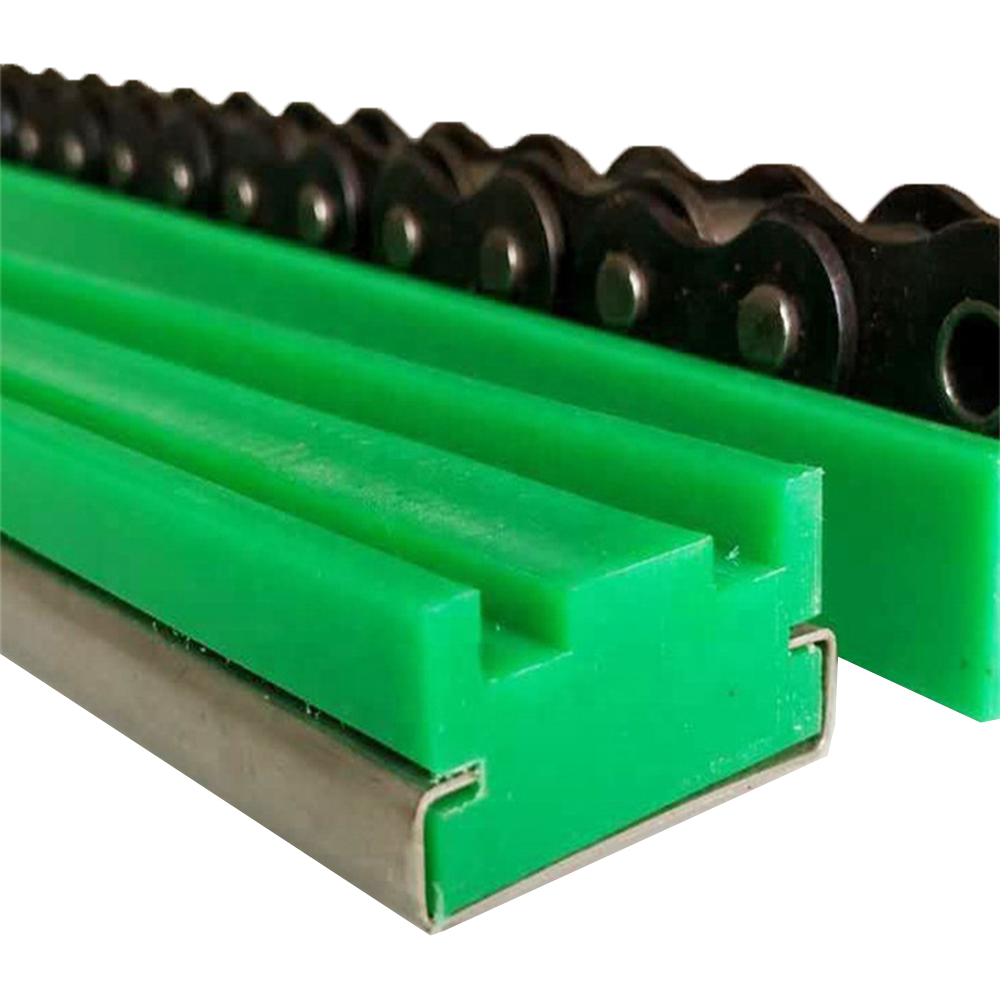
The Energy – Saving Marvel of UHMW Guide Rails
Reducing Friction, Boosting Efficiency
At the heart of UHMW guide rails’ energy – saving capabilities lies their impressively low coefficient of friction. The coefficient of friction for UHMW materials is significantly lower compared to traditional guide rail materials such as metal. For instance, while metal guide rails might have a relatively high coefficient of friction that resists the smooth movement of objects along them, UHMW guide rails offer a much smoother surface for motion.
When an object moves along a guide rail, friction converts useful mechanical energy into heat energy, which is essentially wasted energy. With UHMW guide rails, this energy – wasting conversion is minimized. In a conveyor system, for example, products move along the UHMW – lined conveyor belt with less resistance. A manufacturing plant that switched to UHMW guide rails in its conveyor system noticed a 20% reduction in the energy consumption of the conveyor motors. This is because the motors no longer had to work as hard to overcome the high friction forces present in the previous system. The low – friction property of UHMW guide rails allows machinery to operate more efficiently, with less energy input required to achieve the same level of output.
Long – Term Energy Cost Savings
The energy – saving benefits of UHMW guide rails translate into substantial long – term cost savings. Consider a large – scale manufacturing facility that operates 24/7. Let’s assume that before using UHMW guide rails, the facility’s equipment consumed $10,000 worth of electricity per month due to the high – friction operation of traditional guide rails.
After replacing the traditional guide rails with UHMW guide rails, based on the 20% energy reduction example mentioned earlier, the monthly electricity consumption cost drops to 8,000.
The Serenity of Quiet Operation
Minimizing Noise in Machinery
The quiet operation of UHMW guide rails is a result of several key factors, with the material’s inherent damping properties playing a significant role. UHMW is a viscoelastic material, which means it has the ability to absorb and dissipate energy. When mechanical components move along UHMW guide rails, the material can dampen vibrations that would otherwise generate noise.
In contrast to metal guide rails, which are highly elastic and tend to transmit vibrations easily, UHMW guide rails act as a buffer. For example, in a precision machinery setup such as a high – speed printing press, where components move at rapid speeds, metal guide rails can produce a high – pitched screeching noise due to friction and vibration. When replaced with UHMW guide rails, the damping effect of the UHMW material reduces these vibrations. The energy from the moving parts is absorbed by the UHMW, rather than being converted into sound – producing vibrations. As a result, the noise level in the printing press can be reduced by up to 50%, according to some industry – based tests. This significant noise reduction makes UHMW guide rails an ideal choice for applications where noise control is crucial.
Enhanced Working Environments
A quiet working environment, made possible by UHMW guide rails, has a profound impact on employee well – being and productivity. Research has shown that excessive noise in the workplace can lead to stress, fatigue, and decreased concentration. According to a study by the National Institute for Occupational Safety and Health (NIOSH), continuous exposure to noise levels above 85 decibels (dB) can cause hearing damage over time. Moreover, high – noise environments can also lead to increased stress hormones in employees, which in turn can affect their overall health and job performance.
In a manufacturing facility that switched to UHMW guide rails in its production line, employees reported a more comfortable working environment. The reduced noise level allowed them to communicate more easily with their colleagues without having to raise their voices, which reduced the strain on their vocal cords and also improved teamwork. The improved acoustic environment also led to a 15% increase in productivity, as employees were able to focus better on their tasks. This increase in productivity is not only beneficial for the employees’ job satisfaction but also for the overall profitability of the company. Additionally, in environments where noise – sensitive equipment is used, such as in laboratories or precision electronics manufacturing, the quiet operation of UHMW guide rails helps to ensure the accurate functioning of the equipment, further contributing to a more efficient and high – quality production process.
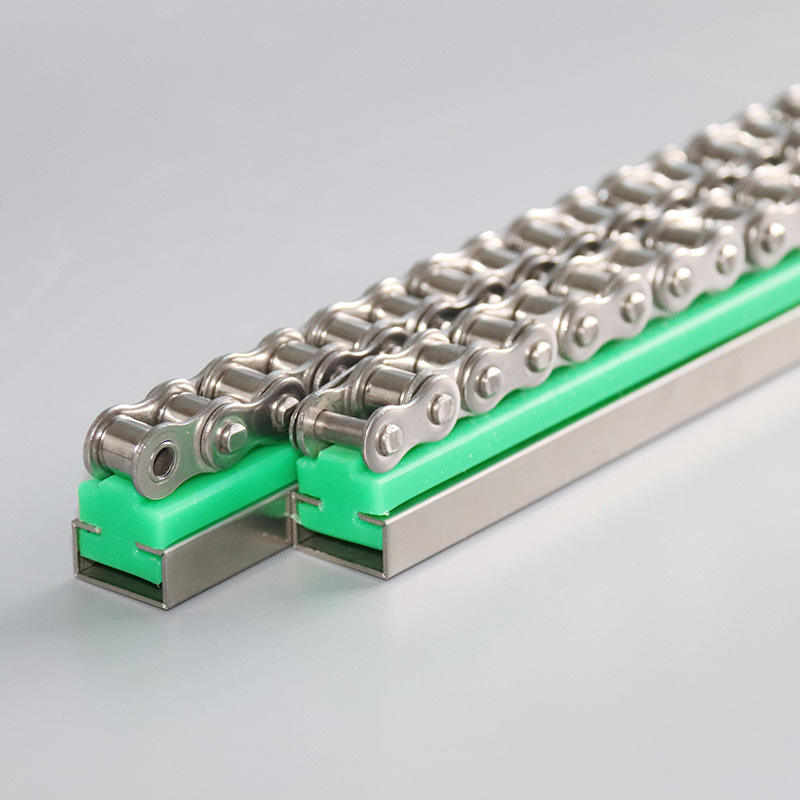
Other Hidden Advantages
Exceptional Wear Resistance
UHMW guide rails are renowned for their exceptional wear resistance, which is a result of their unique molecular structure. The extremely high molecular weight of UHMW polymers means that the molecules are long and entangled, creating a strong and durable material. This tight molecular entanglement makes it difficult for external forces to break or abrade the surface of the UHMW guide rail.
In high – wear applications such as in mining equipment, where components are constantly subjected to abrasive materials like rocks and minerals, UHMW guide rails can significantly outlast traditional metal guide rails. For example, in a conveyor system used in a coal mine, metal guide rails typically need to be replaced every six months due to severe wear. However, when UHMW guide rails were installed, they lasted for over two years. This extended lifespan not only reduces the frequency of equipment downtime for replacement but also cuts down on the overall maintenance costs associated with the replacement process, making UHMW guide rails a cost – effective choice in the long run.
Chemical Resistance: A Robust Defense
Another hidden advantage of UHMW guide rails is their excellent chemical resistance. UHMW is highly resistant to a wide range of common chemical substances, including acids, alkalis, and many organic solvents. This resistance is due to the non – reactive nature of the UHMW polymer chains.
In the chemical industry, where equipment is often exposed to corrosive chemicals during production processes, UHMW guide rails offer a reliable solution. For instance, in a manufacturing plant that produces fertilizers, which involves the handling of highly acidic and alkaline substances, UHMW guide rails can withstand the chemical attacks without degradation. They are not affected by sulfuric acid, which is commonly used in fertilizer production, or by the strong alkalis used in various chemical reactions. This chemical resistance ensures the smooth operation of machinery in such harsh environments, reducing the risk of equipment failure due to chemical corrosion and contributing to the overall safety and efficiency of the production process.
Easy Installation and Maintenance
Installing UHMW guide rails is a relatively straightforward process compared to many other types of guide rails. Their lightweight nature, which is a characteristic of UHMW materials, makes them easy to handle during installation. They can be easily cut, drilled, and shaped to fit specific application requirements using standard hand tools, eliminating the need for specialized and expensive equipment.
Maintenance of UHMW guide rails is also simple. Regular inspection for any signs of wear or damage is usually sufficient. Since UHMW guide rails have a low coefficient of friction and high wear resistance, they require minimal lubrication. In contrast, metal guide rails often need frequent lubrication to reduce friction and prevent wear, and the lubrication process can be messy and time – consuming. Additionally, metal guide rails may require more complex maintenance procedures such as polishing to remove rust and corrosion over time. The ease of installation and maintenance of UHMW guide rails not only saves time and labor costs but also ensures that machinery can be up and running quickly, maximizing productivity in industrial settings.
The Invaluable Asset of UHMW Guide Rails
In summary, UHMW guide rails are far more than just simple components in industrial machinery; they are a multi – faceted solution to many challenges faced by modern industries. Their energy – saving capabilities directly contribute to reducing operational costs and promoting environmental sustainability. In a world where energy efficiency is becoming increasingly important, every bit of energy saved can have a significant impact, both on a company’s bottom line and on the global environment.The quiet operation of UHMW guide rails not only improves the working conditions for employees but also has a positive ripple effect on productivity and product quality. By reducing noise – related stress and distractions, workers can focus better on their tasks, leading to fewer errors and higher – quality output. This is a win – win situation for both employers and employees.
For those in the industrial sector, whether you are involved in manufacturing, processing, or any other industry that relies on machinery, it is highly recommended to consider UHMW guide rails for your next equipment upgrade or new installation. The real – world success stories of companies that have already made the switch serve as a testament to the effectiveness and advantages of UHMW guide rails. By choosing UHMW guide rails, you can unlock a world of hidden benefits and set your business on a path to greater efficiency, productivity, and profitability.