
- October 29, 2025
- Posted by: feinuojixie
- Category: Injection Molding News
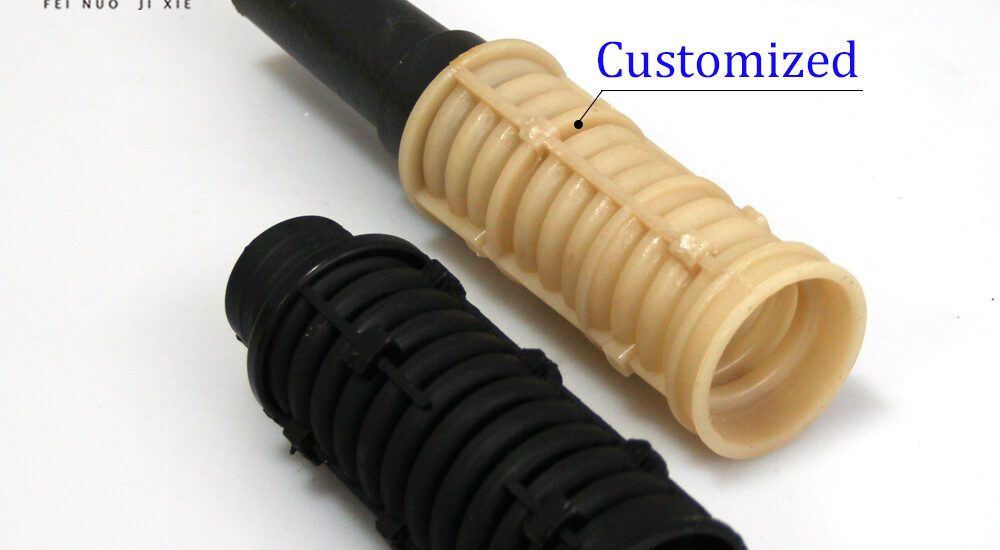
In the fast-paced world of manufacturing, cost efficiency is often the top priority. Companies constantly look for ways to reduce expenses and speed up production cycles. However, when it comes to injection molding mold parts, opting for low-cost options can lead to far greater financial and operational consequences than expected. What may seem like a budget-friendly decision can quickly spiral into lost productivity, costly rework, and even long-term damage to a brand’s reputation.
The hidden costs of poorly made mold parts don’t show up on the initial invoice—they appear later in the form of machine downtime, product defects, wasted materials, and maintenance headaches. Understanding these risks is essential for manufacturers who want to maintain efficiency and profitability without compromising on quality.
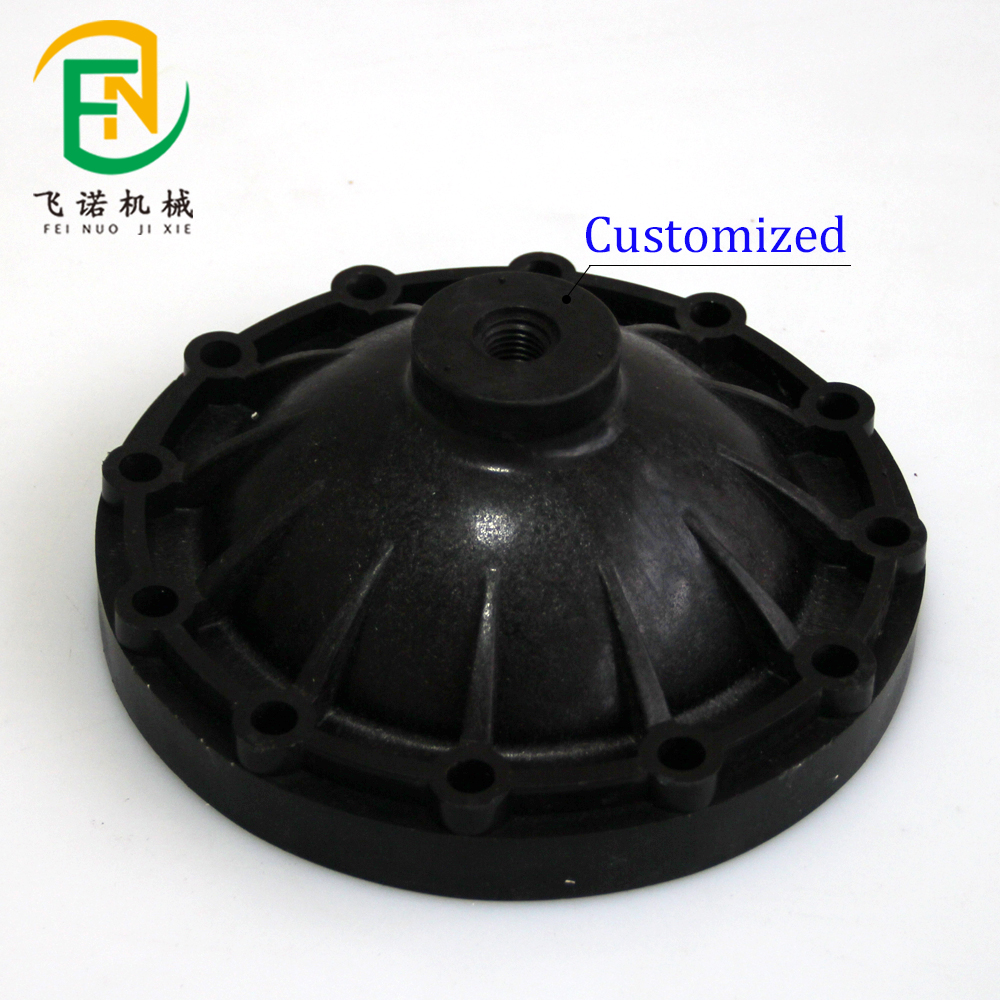
The Illusion of Savings in Low-Quality Injection Molding Mold Parts
At first glance, cheaper injection molding mold parts may seem like a practical way to cut production costs. The initial investment is smaller, and for a short while, everything appears to function as expected. However, these savings are often an illusion. Low-quality mold parts tend to wear out faster, produce inconsistent results, and demand more maintenance over time.
When manufacturers choose inferior components, the hidden expenses begin to accumulate. The production line slows down due to frequent adjustments, and operators spend extra time troubleshooting defects. What once looked like a cost-saving decision becomes a source of financial strain, as the company ends up paying more for repairs, replacements, and lost productivity.
The key takeaway is simple: a low purchase price does not equal long-term value. In fact, the hidden costs of poor-quality mold parts often exceed the original savings many times over.
Production Downtime: The Most Expensive Consequence
One of the most damaging results of using poorly made injection molding mold parts is production downtime. When molds fail to perform consistently, the entire manufacturing process comes to a halt. Machines must be stopped for maintenance, parts need to be replaced, and technicians are forced to recalibrate the system before resuming operations.
Every minute of downtime costs money. Workers remain idle, delivery schedules are disrupted, and customer deadlines are missed. In industries where high-volume production and tight lead times are standard, such interruptions can severely impact profitability.
Moreover, repeated breakdowns reduce the lifespan of both machines and tools. Instead of running efficiently for years, equipment becomes overworked and prematurely worn out—all because of substandard mold components.
Increased Scrap and Material Waste
Defective injection molding mold parts often result in inconsistent product dimensions, warping, or poor surface finishes. These imperfections make products unsellable, leading to high rejection rates and increased scrap. Not only does this waste raw materials, but it also consumes additional time and energy that could have been used for quality output.
For companies committed to sustainability, excessive waste contradicts their environmental goals. Reprocessing defective items or disposing of scrap adds hidden operational costs that directly reduce profit margins. Investing in precision-engineered mold parts helps minimize waste by ensuring consistency, accuracy, and repeatable results across every production cycle.
Reduced Product Quality and Brand Reputation
Product quality defines how customers perceive a brand. When injection molding mold parts are poorly made, the resulting products often suffer from defects such as uneven textures, weak joints, or poor dimensional accuracy. These flaws may not always be visible at first glance, but over time they lead to product failures and customer complaints.
Once the market begins to associate a brand with unreliable quality, rebuilding trust becomes extremely difficult. Warranty claims, returns, and reputational damage can far outweigh any initial savings achieved by choosing low-cost components. In industries like automotive, medical, or consumer electronics, where precision and safety are critical, such risks can be devastating.
High-quality mold parts not only improve performance—they protect the company’s credibility and customer satisfaction in the long term.
Maintenance and Repair Expenses Add Up Fast
Poorly designed or manufactured injection molding mold parts require constant attention. They may fit loosely, wear unevenly, or fail under high pressure. As a result, the maintenance team spends excessive time repairing, polishing, or replacing damaged parts. These unplanned tasks add up quickly in both labor and material costs.
In contrast, high-quality mold components are built with tighter tolerances, superior materials, and better surface finishes. They can withstand repeated cycles without significant degradation, reducing the frequency of maintenance interventions. While the upfront cost is higher, the long-term reduction in maintenance expenses more than compensates for the initial investment.
Hidden Impact on Energy and Cycle Time Efficiency
Efficiency in injection molding depends heavily on precision. When mold parts are poorly made, they can cause uneven temperature distribution, poor venting, or inefficient cooling. These issues lead to longer cycle times, meaning each part takes more time and energy to produce.
Over hundreds of production runs, the extra seconds spent per cycle translate into hours of lost efficiency and higher energy bills. Furthermore, slower cycle times reduce output capacity, making it harder for manufacturers to meet demand. Investing in well-engineered mold parts ensures smoother operation, faster cycles, and reduced power consumption—benefiting both productivity and sustainability.
Safety and Compliance Risks
Another often-overlooked consequence of substandard injection molding mold parts is safety. A mold that cracks or leaks during operation can cause severe equipment damage or even injuries to operators. Additionally, if defective parts lead to non-compliant products, companies face potential recalls, fines, or legal action.
In regulated industries, maintaining compliance with quality standards is not optional—it’s mandatory. Using high-quality mold parts made from certified materials and produced under strict quality control ensures that all final products meet safety and compliance requirements. This approach not only safeguards workers and consumers but also shields the company from costly legal exposure.
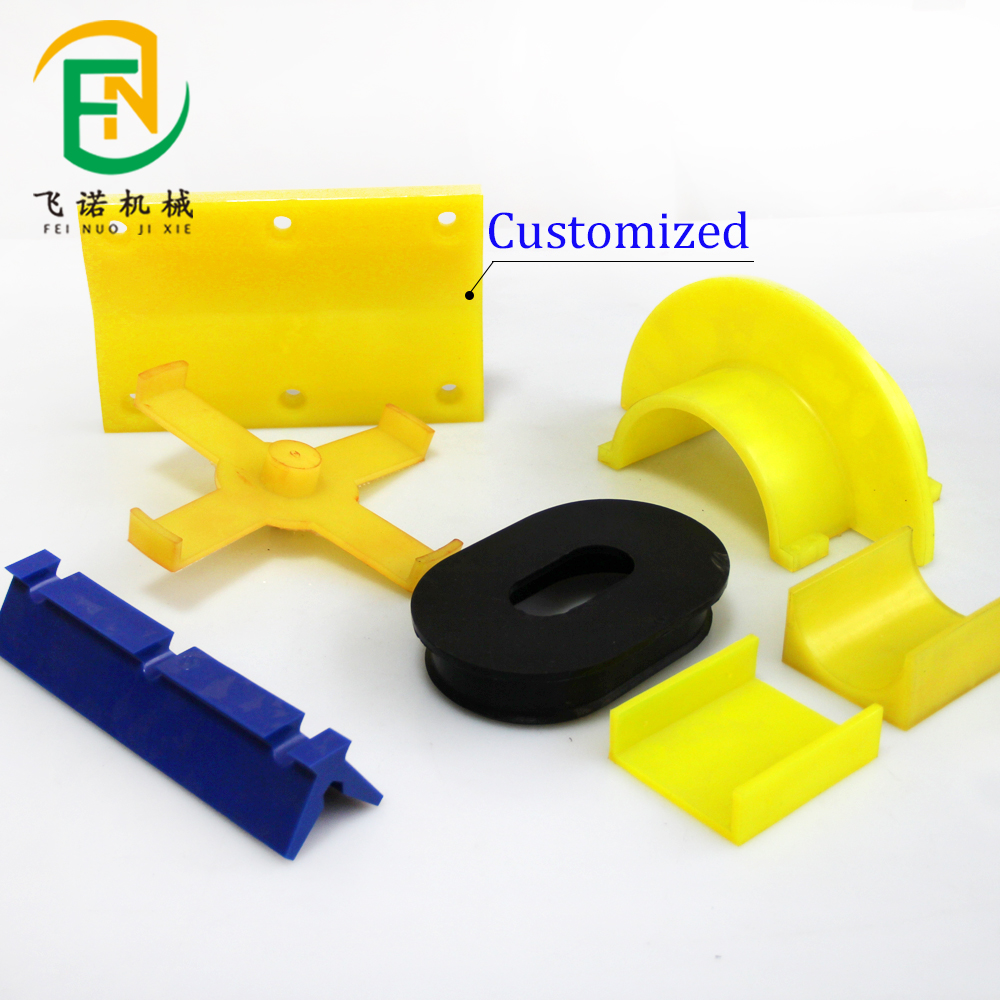
Why Investing in High-Quality Injection Molding Mold Parts Pays Off
Choosing high-quality injection molding mold parts is a strategic investment that delivers measurable long-term benefits. Precision components ensure consistent performance, reduce waste, and improve cycle times. They also minimize downtime, lower maintenance costs, and extend the lifespan of machines and molds.
Beyond the operational advantages, investing in quality enhances customer satisfaction and brand reputation. Companies that prioritize excellence build stronger relationships with clients who value reliability and consistency. In a competitive manufacturing landscape, these factors can be the difference between long-term growth and continuous struggle.
Quality is the Smartest Investment
The true cost of poorly made injection molding mold parts extends far beyond the initial purchase price. Hidden expenses such as downtime, waste, maintenance, and damaged reputation can cripple profitability and production efficiency. Manufacturers who prioritize quality from the start protect themselves from these costly pitfalls.
In the end, quality is not an expense—it’s an investment in reliability, efficiency, and customer trust. Choosing precision-engineered mold parts ensures that every production run delivers consistent results, strengthens brand integrity, and supports sustainable, long-term success.