
- December 2, 2025
- Posted by: feinuojixie
- Category: Chain Guides News
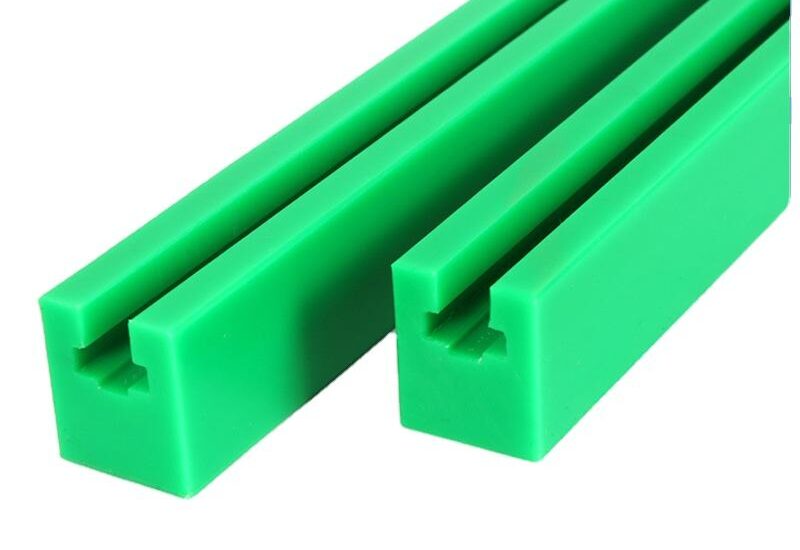
In many manufacturing and automation systems, the roller chain guide works quietly in the background, yet it is one of the most influential components when it comes to long-term reliability. Operators often focus on chain quality, sprocket material, or lubrication schedules, but they overlook the simple part that keeps the entire system aligned and protected. A well-designed roller chain guide ensures the chain stays in its intended path, reduces contact with metal components, and minimizes vibration that could otherwise lead to premature failure. Without it, even the best chain can wear rapidly, cause unexpected downtime, or introduce safety hazards across the production line. Despite its small size, this guide plays a big role in boosting performance, protecting equipment, and keeping production running smoothly.
How a Roller Chain Guide Reduces Wear at the Source
A roller chain guide is designed to eliminate the most common causes of chain wear by creating a controlled, low-friction environment for the chain to move through. One of its primary functions is to control lateral movement, preventing the chain from drifting or rubbing against metal surfaces. When a chain moves off-track, even slightly, the added side loading accelerates wear on the chain link, plate, and even the sprocket. By keeping the chain centered, the guide stops that damage before it begins. Another key benefit is the reduction of metal-to-metal contact. The guide acts as a protective buffer, replacing high-friction metal surfaces with a smooth, engineered plastic interface that significantly reduces abrasion. With friction minimized, the system requires less lubrication and experiences less heat buildup. In addition, a roller chain guide helps maintain consistent chain tension. Stable tension keeps each link running smoothly, reducing stress and ensuring that the chain engages the sprocket properly, further lowering the risk of wear.
The Roller Chain Guide as a Key to Reducing Downtime
Downtime often begins with small mechanical faults, and the absence of a proper roller chain guide is one of the leading contributors. Misalignment is a common cause of unexpected machine stops, and a guide prevents this by holding the chain in place, even during rapid acceleration or directional changes. Without that support, a chain can skip, jam, or derail, leading to immediate production delays. The guide also helps reduce the frequency of maintenance by stabilizing chain movement and lowering the strain on critical components. When operators spend less time realigning chains, adjusting tension, or replacing worn parts, machines stay in operation longer. On fast-moving production lines, vibration is another hidden enemy. Excessive vibration can cause the chain to jump or disengage, especially under high loads. A roller chain guide absorbs this movement, protects the chain from resonance issues, and prevents failures that could halt the entire system.
Material Advantages That Enhance Wear Resistance and Reliability
The performance of a roller chain guide depends heavily on the material used. UHMW is the preferred option for most applications because of its outstanding wear resistance, low friction coefficient, and high impact strength. These qualities allow it to handle continuous chain contact without deforming or generating excessive heat. In environments where temperatures run higher or chemical exposure is common, nylon or other engineered plastics may offer better stability and durability. Each material provides unique benefits, and selecting the right one can directly improve uptime by reducing swelling, friction, or thermal deformation. When the chain guide maintains its shape and smoothness over time, lubrication intervals remain consistent and the chain encounters fewer resistance points. This translates into lower wear rates, fewer inspections, and significantly less downtime across the equipment’s lifespan.
Design Features That Maximize Chain Protection
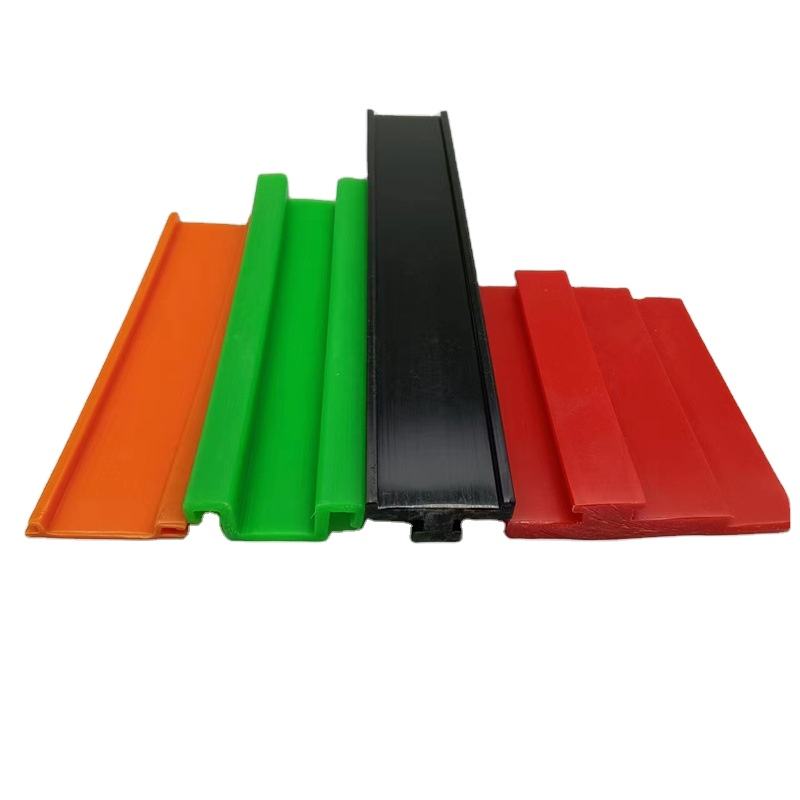
Not all roller chain guide designs are created equal, and the geometry of the guide plays a decisive role in how well it protects the chain. A precisely engineered profile ensures the chain tracks perfectly along its intended path, eliminating the risk of drift or unwanted movement. Even slight imperfections in shape can create friction peaks that damage the chain. The surface finish of the guide is equally important. A smooth, uniform finish reduces drag and allows the chain to glide effortlessly, especially in high-speed systems where surface flaws can cause rapid abrasion. In more demanding environments, the guide must also be designed to withstand heat, chemical exposure, or heavy load impact. This may involve reinforced structures, advanced polymers, or specialized shapes that maintain performance even under extreme conditions. Each design choice ultimately supports the same goal: keeping the chain protected and extending the life of the entire system.
Real-World Benefits of a High-Quality Roller Chain Guide
A high-quality roller chain guide delivers measurable improvements across manufacturing and automation systems. Machines experience longer chain life, which means fewer purchases, fewer replacements, and less downtime for component swaps. Noise reduction is another valuable result. With smoother chain movement and reduced vibration, equipment runs more quietly, creating a safer and more comfortable working environment. Improved stability also enhances productivity, especially in conveyor, packaging, or automotive assembly operations where uptime is critical. Many facilities report significantly fewer unplanned stoppages after upgrading their roller chain guide, as misalignment issues and vibration-induced failures disappear. These performance gains accumulate over time, boosting both operational efficiency and long-term profitability.
How to Choose the Right Roller Chain Guide for Your System
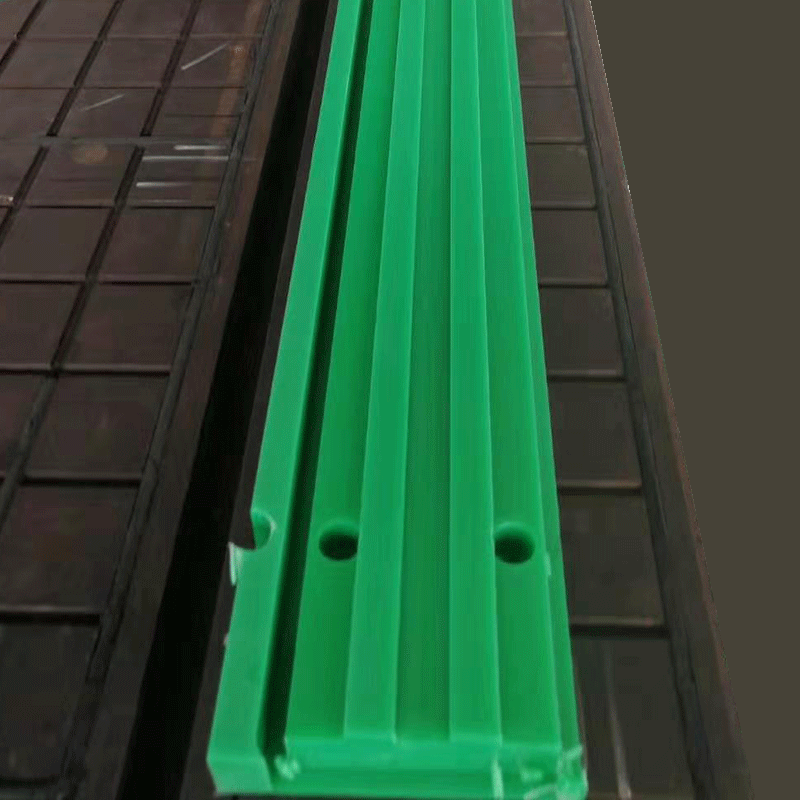
Choosing the right roller chain guide begins with evaluating your specific operating conditions. Load, speed, temperature, and exposure to moisture or chemicals all influence which material and design will perform best. Matching the chain size to the correct guide profile is another essential step, as poor compatibility can lead to unnecessary wear or reduced stability. Beyond standard options, many systems benefit from custom guides tailored to their unique mounting, spacing, or environmental needs. Working with a knowledgeable supplier can help you identify design enhancements or material upgrades that maximize performance in your application. A well-chosen roller chain guide not only reduces wear but also improves safety, efficiency, and overall equipment reliability.
The Small Component That Makes a Big Difference
Although often overlooked, the roller chain guide plays a major role in controlling wear, preventing unplanned downtime, and supporting stable machine performance. By guiding movement, reducing friction, absorbing vibration, and protecting key components, it contributes directly to longer equipment life and improved production efficiency. When engineered with the right materials and design features, this simple component becomes a powerful tool for ensuring the smooth, reliable operation of chain-driven systems. For any facility seeking better uptime and reduced maintenance costs, investing in a high-quality roller chain guide is one of the most effective choices available.