
- November 3, 2025
- Posted by: feinuojixie
- Category: Injection Molding News
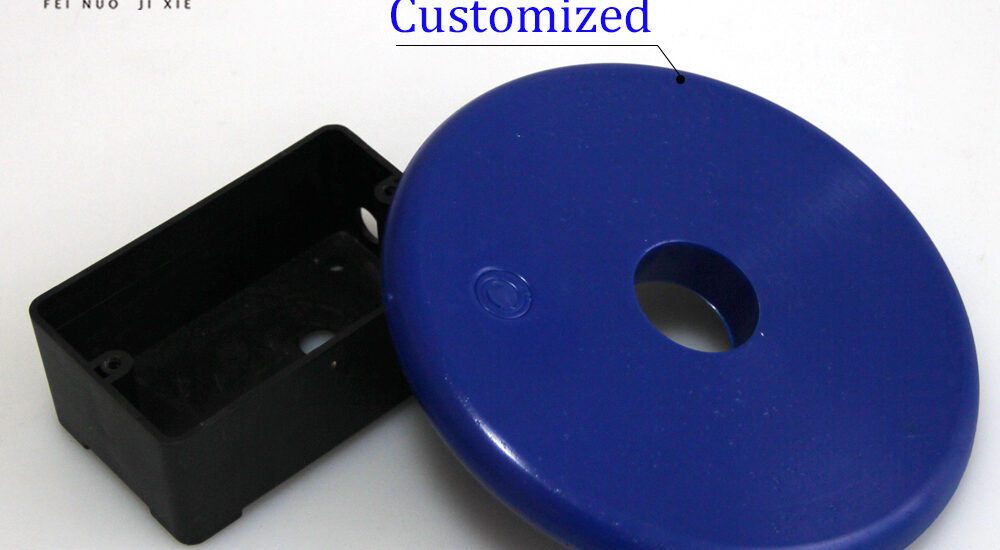
In the fast-paced world of manufacturing, every detail matters—especially when it comes to producing components that last while keeping production costs low. This is where the magic of plastic injection molding part comes into play. Known for its versatility, precision, and scalability, this process has revolutionized how companies create durable and affordable products across industries ranging from automotive to consumer electronics.
Durability ensures that a product maintains its integrity under pressure, heat, or repeated use, while cost-efficiency ensures businesses can maintain profitability without sacrificing quality. The secret to achieving both lies in the careful balance of design, material selection, mold quality, and process control. When these elements come together harmoniously, the result is not just a part—it’s a symbol of engineering mastery and economic intelligence.
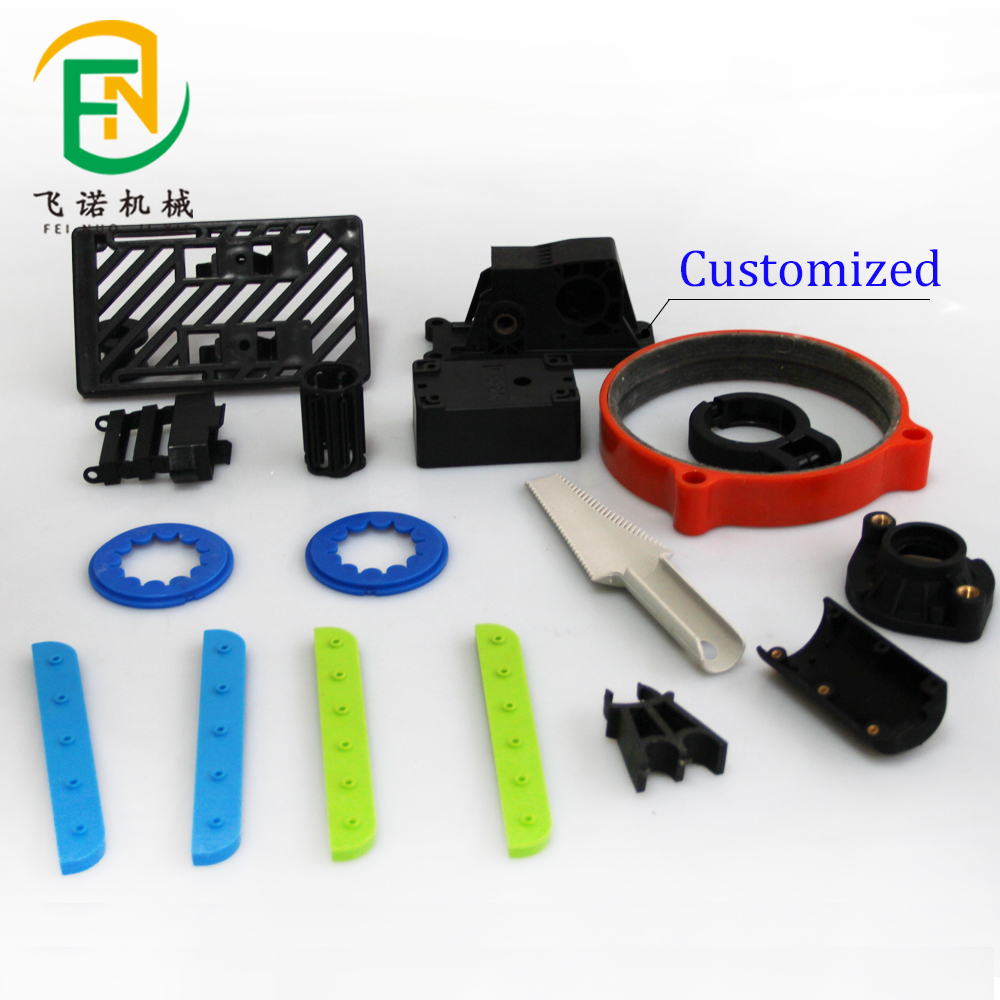
Understanding the Foundation of Plastic Injection Molding Part
To truly understand what makes a plastic injection molding part both durable and cost-effective, we must start with the foundation — the injection molding process itself. This manufacturing method involves injecting molten plastic material into a custom-designed mold cavity. Once cooled, the material solidifies into a precise and consistent shape that matches the mold design.
What makes this process stand out is its combination of repeatability and scalability. Whether producing a few prototypes or millions of identical parts, injection molding guarantees accuracy with minimal deviation. The process is also incredibly efficient, as it produces minimal waste and supports a wide variety of materials. These advantages make plastic injection molding one of the most preferred techniques in modern production, balancing high performance with cost control.
Material Selection: The Core of Durability and Efficiency
The first key factor in achieving strong and affordable plastic injection molding part lies in material selection. The choice of plastic dictates not only the strength and resilience of the final product but also its ability to withstand different environmental and mechanical stresses.
Common materials include ABS, which offers toughness and good impact resistance; Polycarbonate, known for clarity and high strength; Nylon, valued for flexibility and wear resistance; and Polypropylene, popular for its chemical resistance and lightweight properties. Each material has its strengths, and the art lies in choosing the right one for the job.
A balance must be struck between performance and price. Over-engineering a part with expensive materials can raise costs unnecessarily, while using a cheaper but weaker plastic might compromise durability. The smartest manufacturers consult both design engineers and material scientists to find the sweet spot—ensuring longevity without overspending.
Design Precision: How Smart Engineering Enhances Durability
Even the best materials can fail if the design of a plastic injection molding part is flawed. Design precision plays a critical role in determining how well a part performs over time. Factors such as wall thickness, rib structure, gate placement, and draft angles all influence the mechanical strength and manufacturability of the final product.
For example, maintaining uniform wall thickness prevents warping and stress concentration. Ribs and gussets add reinforcement without increasing material use, and careful gate placement ensures even material flow, reducing defects. Advanced design software like CAD and CAE helps engineers visualize and simulate these aspects before production, allowing for optimization that improves both durability and efficiency.
When the design process includes stress analysis, mold flow simulation, and performance testing, manufacturers can identify weak points early. The result is a product that not only looks right but also performs flawlessly in real-world conditions.
Mold Quality: The Unsung Hero of Cost-Effective Production
Behind every reliable plastic injection molding part lies a precisely engineered mold. The mold is the heart of the process—its quality determines the consistency, dimensional accuracy, and surface finish of every part produced.
A well-made mold ensures smooth material flow, consistent cooling, and minimal defects. In contrast, poorly designed molds can cause warping, sink marks, and short shots, leading to wasted materials and increased maintenance costs. Using high-grade steel and precision machining techniques extends mold lifespan and reduces long-term expenses.
While investing in a quality mold may seem costly upfront, it pays off through years of stable, repeatable production. Additionally, regular mold maintenance—such as cleaning, polishing, and part replacement—keeps production efficient and prevents costly downtime. In this sense, mold quality isn’t just a technical factor; it’s a financial strategy.
Process Control: Achieving Consistent and Reliable Results
Consistency is the hallmark of excellence in manufacturing, and achieving it in plastic injection molding part production requires precise process control. Critical parameters such as temperature, injection pressure, cooling rate, and cycle time must be carefully monitored and maintained.
Automated systems and smart sensors play a vital role in ensuring that each production cycle follows the same pattern. Small deviations can cause defects or inconsistencies, which can affect durability and appearance. By employing process optimization and statistical control, manufacturers minimize waste, reduce rejections, and maintain top-tier quality at scale.
Moreover, automation doesn’t just ensure accuracy—it also improves cost-efficiency by reducing labor costs and production downtime. With today’s digital monitoring tools, operators can detect and adjust potential issues in real time, further improving reliability.
Quality Testing and Post-Processing: The Final Step Toward Perfection
Once a plastic injection molding part leaves the mold, it undergoes a series of quality tests and finishing procedures to guarantee durability and precision. Testing may include tensile strength, impact resistance, dimensional verification, and fatigue performance to ensure the part meets required specifications.
Post-processing techniques such as trimming, coating, painting, or polishing enhance both function and appearance. In some cases, UV protection or anti-corrosion coatings are added to extend the product’s lifespan in challenging environments. These finishing touches not only improve aesthetics but also strengthen long-term performance—especially for components used in automotive or industrial settings.
The inspection stage also provides valuable feedback for continuous improvement. By analyzing defects and test results, manufacturers can refine design or process parameters to achieve even higher consistency in future runs.
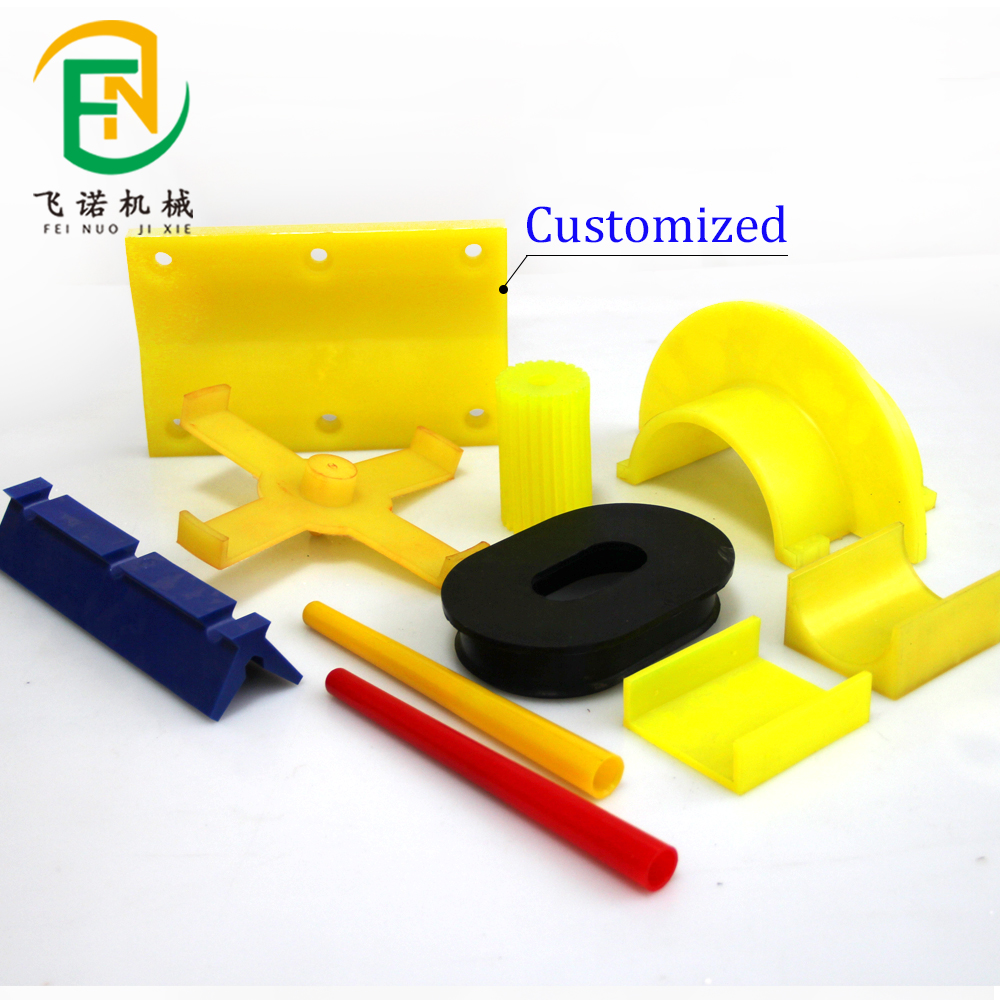
Sustainability and Cost Reduction: The Modern Edge
Today’s manufacturers must think beyond performance—they must also consider sustainability. Fortunately, advancements in technology make it possible to produce plastic injection molding part that are both eco-friendly and affordable.
Recycling plays a big role here. Many thermoplastics can be reprocessed multiple times without significant loss of quality, allowing for material reuse and waste reduction. Additionally, energy-efficient molding machines and optimized cycle times lower power consumption, further cutting operational costs.
Some manufacturers also embrace biodegradable or bio-based plastics for environmentally conscious clients, offering a greener alternative that doesn’t compromise on strength. Combining sustainable practices with efficient production not only saves money but also enhances brand reputation in an increasingly eco-aware market.
Building a Future with Smarter Plastic Injection Molding Part
The secret behind durable and cost-effective plastic injection molding part lies in mastering every stage of the process—from design and material choice to mold construction, process control, and quality testing. Each element contributes to the overall performance, and together they form a system that delivers exceptional value at scale.
When manufacturers invest in intelligent engineering, precision tooling, and sustainable practices, they don’t just produce parts—they create long-lasting solutions that strengthen products, reduce costs, and drive innovation forward.
In a world where performance and efficiency define success, plastic injection molding stands as one of the most powerful and reliable manufacturing techniques. It’s not just about molding plastic—it’s about molding the future of modern industry.