
- November 7, 2025
- Posted by: feinuojixie
- Category: Injection Molding News
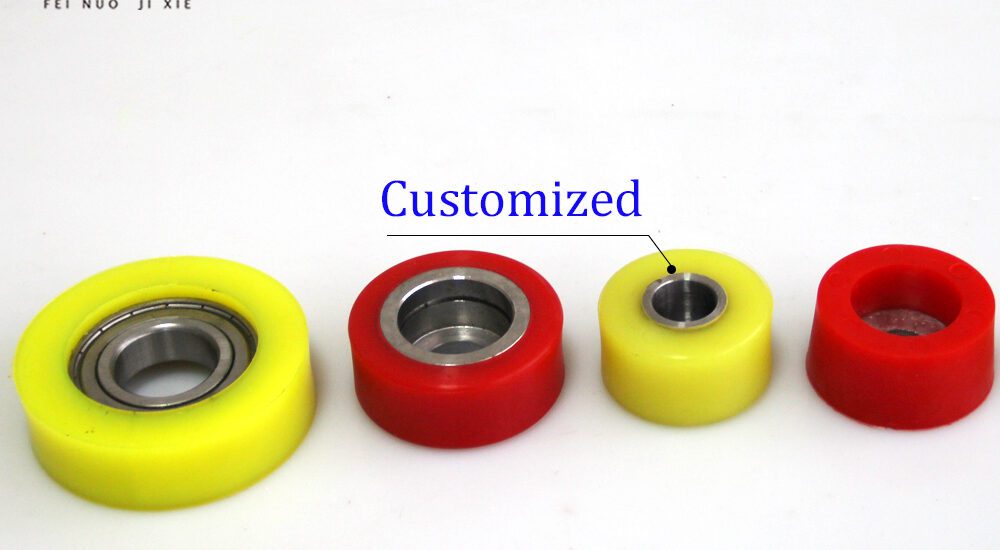
In the world of modern manufacturing, injection molding part plays a vital role in delivering high-quality components at competitive prices. Whether used in automotive, medical, or consumer electronics industries, the demand for parts that are both durable and affordable has never been higher. Companies are constantly seeking ways to optimize their production processes—ensuring each part withstands the test of time without driving up manufacturing expenses.
Durability affects not just product longevity but also customer satisfaction and brand reputation. At the same time, cost efficiency determines whether a company can remain competitive in a crowded marketplace. Balancing these two aspects is not easy, but injection molding offers a powerful solution that combines precision engineering, material science, and process control. Understanding the secret behind durable and cost-effective injection molding part begins with exploring what truly drives quality and efficiency at every stage of production.
Understanding What Makes an Injection Molding Part Durable
The durability of an injection molding part depends on a combination of factors that start long before the first piece is produced. It begins with the designer’s understanding of how the part will be used, the forces it will endure, and the environmental conditions it must withstand. A durable part resists cracking, warping, and deformation over time, ensuring consistent performance across its lifespan.
To achieve this, manufacturers must carefully balance material properties, part geometry, and processing conditions. Even a small change in cooling rate or mold pressure can influence the strength and stability of the final product. In essence, durability isn’t accidental—it’s the result of deliberate engineering choices made at every stage of the injection molding process.
Material Selection: The Foundation of Durable Injection Molding Part
The material chosen for an injection molding part is the single most critical factor affecting both durability and cost. Different thermoplastics bring unique advantages: ABS offers impact resistance, polycarbonate provides clarity and toughness, and nylon delivers excellent wear performance. Selecting the right material requires matching its mechanical and thermal properties with the part’s intended application.
For example, a part exposed to sunlight or chemicals may need UV stabilizers or flame retardants to maintain integrity. Reinforcements like glass fibers can drastically increase tensile strength and stiffness, allowing thinner designs without sacrificing reliability. However, more advanced materials can be costly, so engineers must weigh performance gains against budget constraints. A smart material strategy maximizes strength and longevity while minimizing unnecessary expense.
Design Optimization: How Smart Engineering Improves Both Durability and Cost
A well-designed injection molding part can achieve high durability and low cost simultaneously. Design optimization focuses on creating geometry that distributes stress evenly and avoids weak points. Maintaining uniform wall thickness reduces the risk of warping or sink marks, while strategically placed ribs provide structural support without increasing material use.
Adding appropriate draft angles ensures easy ejection from the mold, preventing surface damage that can compromise quality. Rounded corners and smooth transitions between sections also improve load distribution and reduce the likelihood of cracks. These design principles not only enhance mechanical performance but also shorten cycle time and cut material waste—two major drivers of cost efficiency.
Mold Quality: The Unsung Hero Behind Reliable Injection Molding Part
Even the best design and materials cannot compensate for a poorly built mold. The quality of the mold directly determines the consistency, precision, and appearance of every injection molding part produced. High-grade steel molds with polished cavities can withstand hundreds of thousands of cycles without deformation, ensuring dimensional accuracy and smooth surface finishes.
Regular maintenance is equally important. Over time, wear and residue buildup can affect mold performance, leading to defects or inconsistent results. Manufacturers that invest in precision tooling and preventive maintenance see fewer rejections and longer mold lifespans, translating into reduced downtime and greater production efficiency. A reliable mold is not just a tool—it’s the foundation of a stable and profitable manufacturing process.
Production Efficiency: Controlling Cost Without Sacrificing Quality
Once the design and tooling are perfected, production efficiency becomes the key to achieving cost-effective results. Modern injection molding facilities use advanced machinery that allows precise control over temperature, pressure, and cycle time. Automated systems can monitor each stage of production to detect defects early and maintain consistent output.
Reducing cycle time without compromising quality is one of the most effective ways to control costs. Efficient cooling systems, robotic part removal, and automated quality checks all contribute to faster production and less waste. Moreover, real-time data monitoring enables manufacturers to identify performance trends, predict maintenance needs, and continuously improve their processes. The result is higher productivity, fewer errors, and a better return on investment.
Post-Processing and Testing: Ensuring Long-Term Performance
After molding, post-processing steps refine the final part and ensure it meets both aesthetic and functional standards. Polishing, painting, coating, or texturing may enhance the surface or add protective layers. In some cases, annealing is used to relieve internal stress, improving dimensional stability and resistance to cracking.
Rigorous testing follows these finishing steps. Parts may undergo mechanical stress tests, thermal cycling, or chemical exposure simulations to confirm they can perform under real-world conditions. By validating durability through testing, manufacturers reduce the risk of failure in the field and enhance customer confidence. Quality assurance at this stage ensures that only the most reliable injection molding part reaches the end user.
Sustainability and Cost Efficiency: A Modern Manufacturer’s Advantage
Sustainability is becoming a major influence on how companies approach injection molding. By integrating recycled plastics, optimizing energy use, and reducing scrap, manufacturers not only lower their environmental impact but also cut operational costs. Advanced technologies now make it possible to maintain part quality even when using recycled or bio-based materials.
Energy-efficient machinery and closed-loop systems further contribute to sustainable, cost-effective production. As industries move toward greener practices, businesses that embrace sustainable injection molding gain a competitive edge. They demonstrate responsibility while still delivering durable, affordable parts—an increasingly important combination for modern consumers and partners.
The Real Secret Behind Durable and Cost-Effective Injection Molding Part
The secret to achieving durability and cost efficiency in injection molding part lies in the seamless integration of design, material, and process. Each stage—from concept to production—must be executed with precision and foresight. The right material ensures strength, the right design promotes performance and efficiency, and the right process keeps costs under control.
When all these elements align, manufacturers can produce parts that stand the test of time without exceeding budgets. In today’s competitive landscape, mastering this balance is more than a technical achievement—it’s a strategic advantage. Durable and cost-effective injection molding part doesn’t happen by chance; it’s the result of smart engineering, continuous improvement, and a commitment to excellence.