
- September 25, 2025
- Posted by: feinuojixie
- Category: Chain Guides News
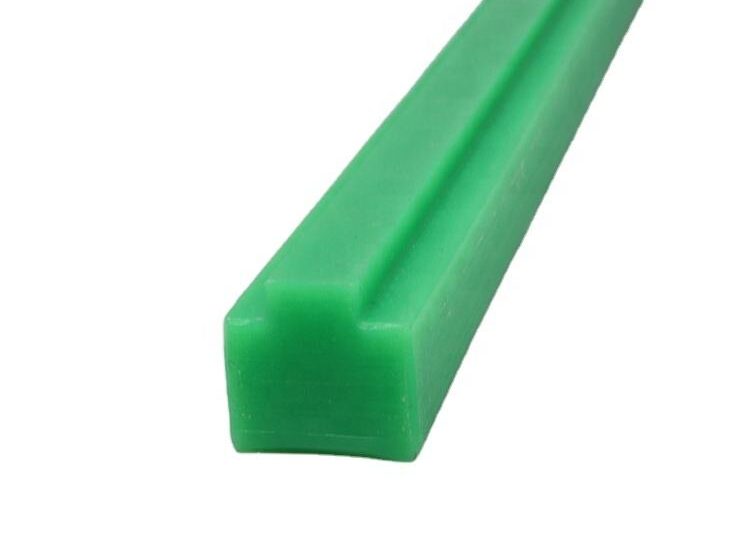
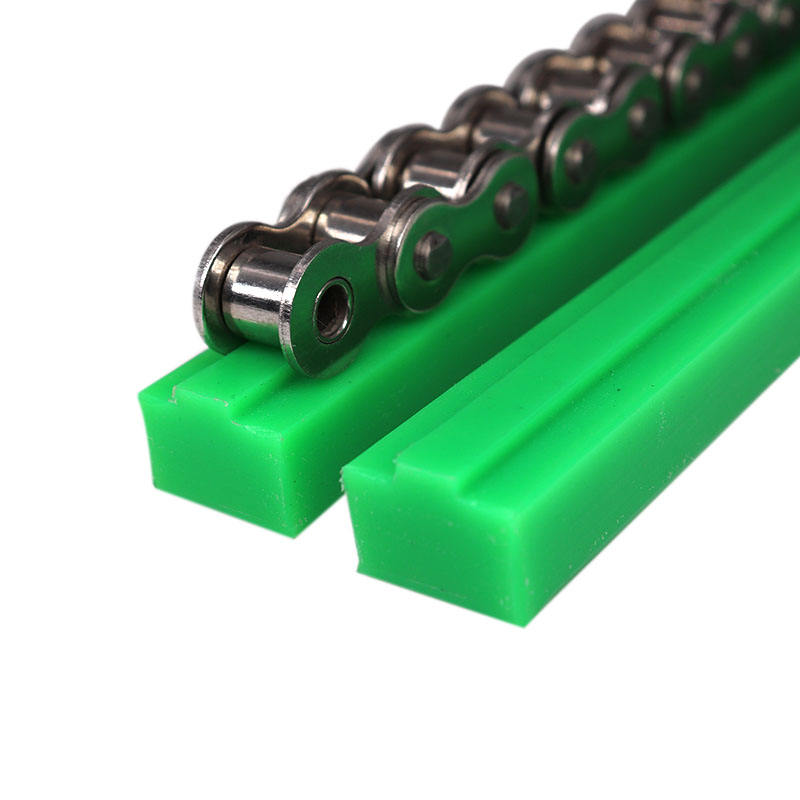
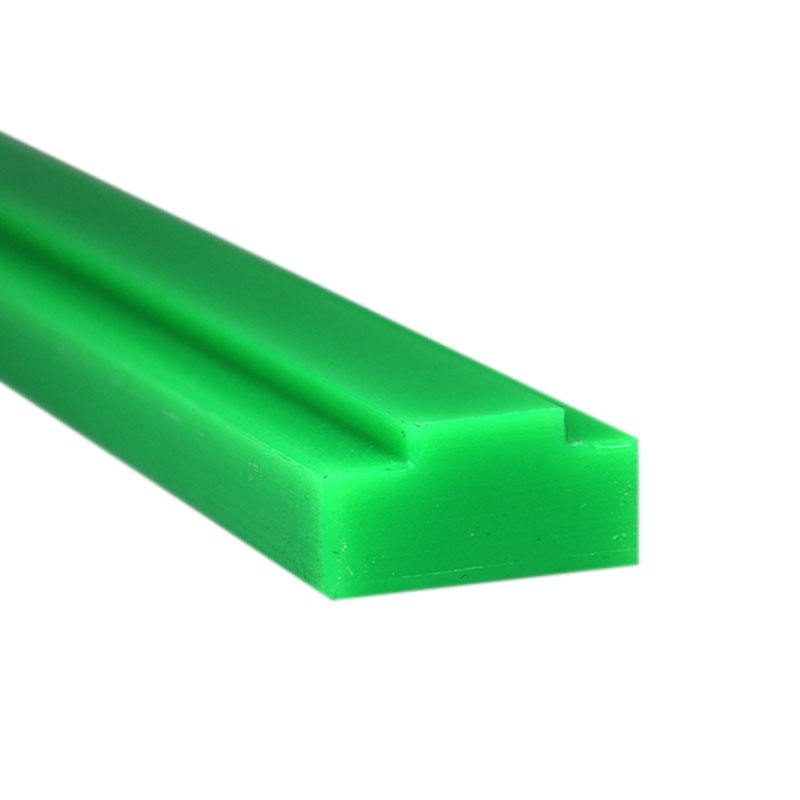
A plastic wear strip may seem like a small and unassuming component, but its role in various applications is truly indispensable. In industrial settings, machinery often operates under extreme conditions, with parts constantly rubbing against each other. For example, in conveyor systems that transport heavy materials in factories, the constant friction between the moving belts and other components can cause significant wear over time. Here, a plastic wear strip serves as a protective barrier. It reduces the direct contact between the wearing parts, minimizing friction and thus decreasing the rate of wear and tear. This not only extends the lifespan of the conveyor system but also reduces the frequency of maintenance and replacement, saving both time and money for the business.
In the furniture industry, plastic wear strips are equally crucial. Consider drawers and sliding doors in cabinets. Without wear strips, the repeated opening and closing would quickly damage the edges and tracks, leading to a rough operation and potentially a shorter lifespan for the furniture piece. Plastic wear strips, on the other hand, enable smooth movement. They protect the structural integrity of the furniture joints and edges, ensuring that the furniture remains functional and aesthetically pleasing for years to come. This is especially important for high – end furniture where quality and durability are highly valued by consumers.
Key Benefits of Durable Plastic Wear Strips
1. Long – Term Cost – Savings
While the initial investment in high – quality plastic wear strips might seem a bit higher compared to cheaper alternatives, they offer significant long – term cost – savings. For instance, in a manufacturing plant where conveyor belts operate continuously for hours each day, a less durable wear strip might need to be replaced every few months. However, a durable plastic wear strip can last for years. The cost of frequent replacements includes not only the price of the new wear strip but also the labor cost for installation, and the potential production downtime during replacement. By reducing the frequency of these replacements, businesses can save a substantial amount of money over time.
2. Enhanced Equipment Performance
Durable plastic wear strips play a crucial role in enhancing the performance of equipment. In a printing press, for example, smooth – running components are essential for high – quality output. The presence of a wear strip ensures that the moving parts, such as rollers, glide smoothly. This smooth operation reduces friction – induced heat, which can otherwise cause the equipment to overheat and malfunction. Moreover, it minimizes the chances of jams in the machinery. When equipment operates smoothly, it can maintain a consistent production rate, leading to higher productivity and better – quality products.
3. Protection Against Wear and Tear
One of the primary functions of a plastic wear strip is to act as a sacrificial layer, protecting the more expensive and critical components of a machine. In a hydraulic system, the piston rod is a vital part. Without a wear strip, the constant movement of the piston rod within the cylinder would gradually wear down the rod and the cylinder walls. A plastic wear strip placed between the piston rod and the cylinder wall absorbs the majority of the friction and wear. This protection ensures that the main components remain in good condition for a longer period, reducing the need for costly component replacements and extending the overall lifespan of the hydraulic system.
Factors to Consider When Selecting a Durable Plastic Wear Strip
1. Material Quality
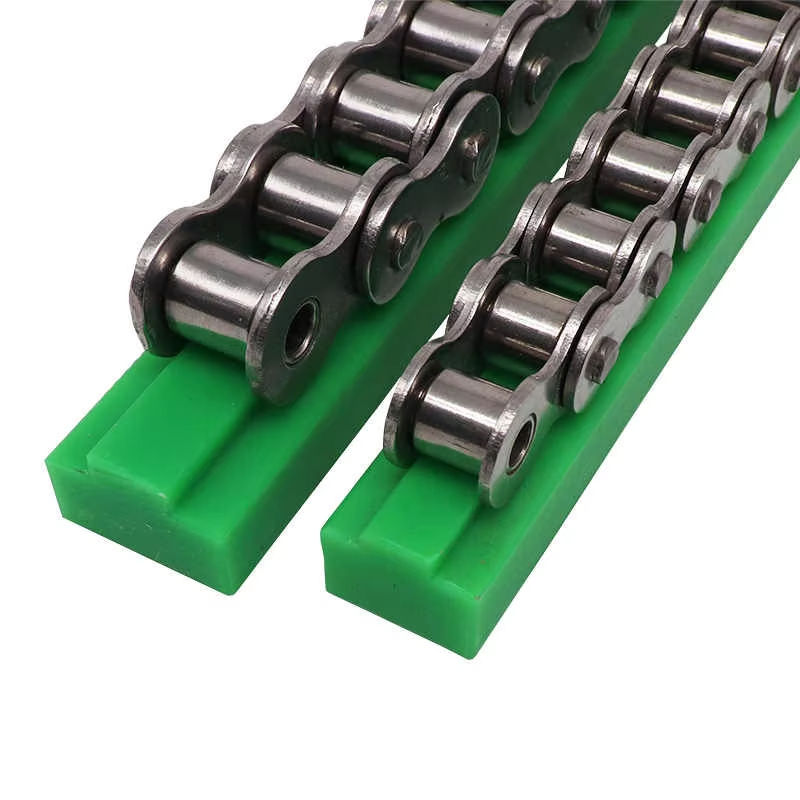
The material quality of a plastic wear strip is of utmost importance. Different plastic materials possess distinct characteristics. For example, Polyurethane (PU) is known for its high strength, excellent abrasion resistance, and good shock – absorbing properties. It can withstand significant mechanical stress, making it suitable for applications where there is a high level of friction and impact, such as in heavy – duty conveyor systems. On the other hand, Polyethylene (PE) comes in different densities. High – Density Polyethylene (HDPE) offers good chemical resistance and is relatively rigid, while Low – Density Polyethylene (LDPE) is more flexible. LDPE might be a better choice for applications where some flexibility is required, like in certain types of packaging machinery where the wear strip needs to conform to irregular shapes. When choosing a plastic wear strip, one must assess the specific demands of the application. If the environment involves exposure to harsh chemicals, a material with high chemical resistance like Polyvinyl Chloride (PVC) or Fluoroplastics (such as PTFE) should be considered. PTFE, in particular, has extremely low friction coefficients, which can be beneficial in applications where smooth movement is crucial, like in precision – engineering equipment.
2. Compatibility with Existing Equipment
Ensuring the compatibility of the plastic wear strip with the existing equipment is essential. First and foremost, the dimensions of the wear strip must match the available space on the equipment precisely. A wear strip that is too large will not fit properly and may cause misalignment or interference with other moving parts. Conversely, a wear strip that is too small will not provide adequate protection and may lead to premature wear of the equipment components. For example, in a lathe machine, the wear strip installed on the slideways must have the correct width and length to ensure smooth movement of the carriage. Moreover, the shape of the wear strip should also be compatible with the structure of the equipment. Some equipment may have unique grooves or contours where the wear strip needs to be installed. In such cases, custom – shaped wear strips might be required. Additionally, the material of the wear strip should not react negatively with the materials of the equipment it comes in contact with. For instance, in a food – processing machine, the plastic wear strip must be made of a food – grade material that does not contaminate the food products and is also compatible with the stainless – steel components of the machine.
3. Load – Bearing Capacity
The load – bearing capacity of a plastic wear strip is a critical factor. Equipment often operates under different levels of pressure and friction. To select the right wear strip, one needs to calculate or estimate the forces acting on it. In a hydraulic press, for example, the piston exerts a significant amount of pressure on the cylinder walls. The wear strip placed between the piston and the cylinder must be able to withstand this pressure without deforming or wearing out quickly. Manufacturers usually provide specifications regarding the load – bearing capacity of their plastic wear strips. These specifications are typically given in terms of maximum pressure or force that the wear strip can endure. When choosing a wear strip, it is advisable to select one with a load – bearing capacity that exceeds the expected maximum load in the application. This provides a safety margin and ensures the long – term durability of the wear strip. However, it’s also important not to over – specify the load – bearing capacity, as this may result in using a more expensive and perhaps overly rigid wear strip that is not necessary for the application.
4. Environmental Resistance
The environment in which the plastic wear strip will operate plays a crucial role in its selection. In high – temperature environments, such as in industrial furnaces or some automotive engine components, the wear strip must be made of a heat – resistant plastic material. Materials like Polyetheretherketone (PEEK) have excellent heat resistance and can maintain their mechanical properties even at elevated temperatures. In humid environments, the wear strip should resist moisture absorption, as excessive moisture can cause swelling, deformation, or degradation of the plastic. Polypropylene (PP) is a good choice for such environments as it has relatively low moisture absorption. When the application involves exposure to chemical substances, the wear strip must be chemically resistant. For example, in a chemical processing plant where there are strong acids or alkalis, materials like PVC or PTFE are highly resistant to these chemicals and can be used effectively. In outdoor applications, the wear strip may also need to be resistant to ultraviolet (UV) radiation to prevent degradation and embrittlement over time. Some plastics can be formulated with UV stabilizers to enhance their UV resistance, making them suitable for long – term outdoor use.
Step – by – Step Guide to Installing a Durable Plastic Wear Strip
1. Preparation
Before starting the installation, gather all the necessary tools and materials. You will need a measuring tape for accurate length measurement, a sharp utility knife or a saw suitable for cutting plastic, depending on the thickness of the wear strip. For the installation itself, if you are using a glue – based method, obtain a high – quality adhesive that is compatible with the plastic material of the wear strip and the surface it will be attached to. Some adhesives are specifically designed for bonding plastics and offer strong and durable adhesion. If screws are the chosen fastening method, gather the appropriate screws, washers, and a screwdriver or drill.
Next, prepare the installation surface. Clean the surface thoroughly to remove any dirt, dust, grease, or other contaminants. A dirty surface can prevent proper adhesion or secure fastening. You can use a degreaser or a suitable cleaning agent, followed by a clean cloth to wipe the surface dry. If the surface has any rough spots or irregularities, sand it gently to create a smooth and even base. This ensures that the wear strip will sit flush against the surface and provides better contact for adhesion or fastening.
2. Measuring and Cutting
Accurate measurement is crucial to ensure a proper fit of the plastic wear strip. Use the measuring tape to determine the length required for the specific application. Measure the area where the wear strip will be installed multiple times to confirm the measurement. For example, if you are installing the wear strip on a conveyor belt guide, measure the length of the guide where the strip will be placed. Be precise and account for any curves or angles in the installation area.
Once you have the correct measurement, it’s time to cut the wear strip. Place the wear strip on a stable surface, preferably a cutting board or a workbench. If using a utility knife, score the plastic along the measured line several times to make a deep groove. Then, carefully bend the wear strip along the scored line until it breaks cleanly. For thicker wear strips, a saw may be a better option. Clamp the wear strip firmly to prevent it from moving during cutting. Make a slow and steady cut along the measured line, following the saw’s safety guidelines. After cutting, check the length again to ensure it matches the required measurement. If there are any rough edges, you can use sandpaper or a file to smooth them out, which not only improves the appearance but also prevents any potential damage to other components during operation.
3. Installation Process
The installation method depends on the type of plastic wear strip and the application. If you are using an adhesive – based installation, apply a thin and even layer of adhesive to either the back of the wear strip or the installation surface. Follow the adhesive manufacturer’s instructions regarding the application method and drying time. Carefully place the wear strip onto the surface, starting from one end and slowly pressing it down to avoid any air bubbles. Use a roller or a flat object to apply even pressure along the entire length of the wear strip, ensuring good adhesion.
If screws are used for installation, first mark the positions for the screws on the wear strip and the installation surface. Drill pilot holes in the marked positions to prevent the plastic from cracking when the screws are inserted. Place the wear strip on the surface and align the holes. Insert the screws through the washers (washers help distribute the load and prevent the screws from sinking into the plastic) and tighten them gradually, alternating between screws to ensure even fastening. Do not over – tighten the screws as this can cause the plastic to deform or crack.
During the installation process, it’s important to handle the wear strip carefully to avoid any damage. Also, make sure that the wear strip is installed in the correct orientation, especially if it has a specific profile or direction – sensitive features.
4. Post – Installation Checks
After the plastic wear strip is installed, perform a series of checks to ensure its proper installation. First, check the installation for firmness. Try to wiggle or pull the wear strip gently. If it is installed correctly, it should not move or come loose. If there is any movement, it may indicate a problem with the adhesion or fastening, and you may need to re – evaluate and correct the installation.
Next, check the position of the wear strip. Ensure that it is aligned properly with the other components in the system. For example, in a drawer – sliding mechanism, the wear strip should be parallel to the tracks for smooth operation. If the wear strip is misaligned, it can cause uneven wear, jamming, or other operational issues.
Finally, visually inspect the wear strip for any signs of damage, such as cracks or tears, that may have occurred during the installation process. If any damage is detected, it may be necessary to replace the wear strip to ensure its long – term effectiveness and the proper functioning of the equipment or system.
Maintenance Tips for Your Plastic Wear Strip
1. Regular Cleaning
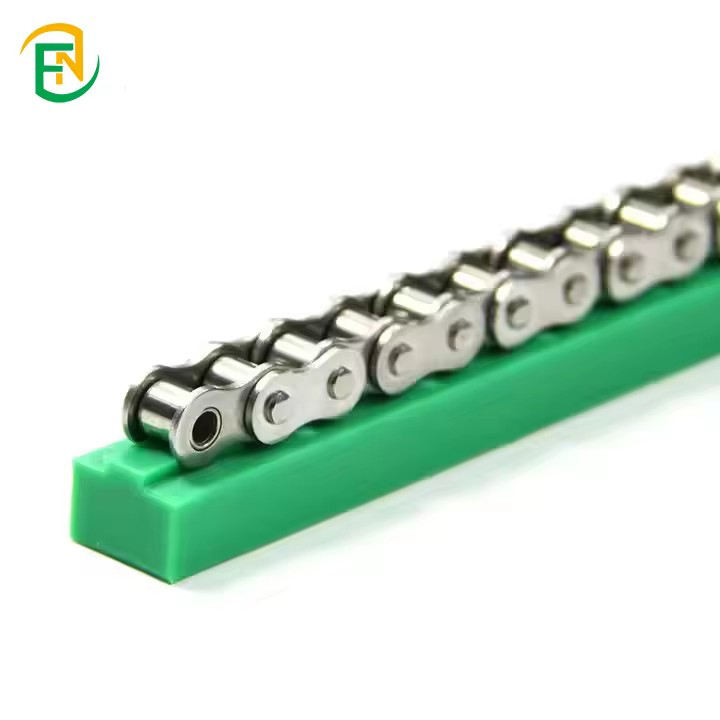
Regular cleaning is essential to maintain the optimal performance of your plastic wear strip. Over time, dust, dirt, and small debris can accumulate on the surface of the wear strip. In a factory environment, for example, fine particles from the manufacturing process may settle on the wear strip. These particles can act like abrasives, increasing the friction between the wear strip and other components. To clean the wear strip, use a soft – bristled brush or a clean, lint – free cloth. For light – duty applications, a simple wipe with a damp cloth can remove most of the surface dirt. If there are stubborn stains or grime, a mild detergent can be used. However, make sure to rinse the wear strip thoroughly with clean water to remove any detergent residue, as the residue can potentially attract more dirt or cause damage to the plastic material. As a general rule, clean the plastic wear strip at least once a week for light – duty applications. In heavy – duty industrial settings where there is a high level of dust and debris, daily cleaning may be necessary.
2. Inspection for Wear and Damage
Regularly inspecting the plastic wear strip for signs of wear and damage is crucial. Look for any visible signs such as scratches, cracks, or thinning of the material. In a conveyor system, for instance, if the wear strip is showing signs of excessive wear on one side, it could indicate misalignment of the conveyor belt. Cracks in the wear strip can also lead to further damage as they can cause the strip to break apart during operation. If you notice minor scratches or surface wear, it may still be possible to continue using the wear strip, but monitor it closely for any signs of further deterioration. However, if you find cracks or significant thinning of the wear strip, it’s advisable to replace it immediately. Delaying the replacement can lead to more serious problems, such as damage to other components in the system or equipment malfunction. Inspect the wear strip at least once a month in normal operating conditions. In high – stress applications, more frequent inspections, perhaps every two weeks, are recommended.
3. Lubrication (if applicable)
In some cases, lubrication can further enhance the performance and lifespan of the plastic wear strip. If the application involves high – friction movement, such as in a sliding door mechanism with a plastic wear strip, a suitable lubricant can reduce friction and wear. When choosing a lubricant, ensure that it is compatible with the plastic material of the wear strip. For example, silicone – based lubricants are often a good choice for plastic components as they are generally non – reactive with plastics. Apply the lubricant sparingly, following the manufacturer’s instructions. Too much lubricant can attract dirt and debris, which can be counterproductive. A thin film of lubricant applied to the contact surfaces of the wear strip and the mating component is usually sufficient. The frequency of lubrication depends on the application. In applications with moderate use, lubricating every few months may be enough. For high – use applications, lubrication may be required every few weeks.
Real – World Examples and Success Stories
1. Manufacturing Industry
A large – scale automotive manufacturing plant faced significant challenges with the wear and tear of its conveyor systems. The conveyor belts, which transported heavy automotive parts, were constantly in contact with metal guides. This led to frequent breakdowns due to excessive friction and wear of the conveyor components. After installing durable polyurethane plastic wear strips on the metal guides, the situation improved dramatically. The wear strips reduced the friction between the belts and the guides by over 50%. As a result, the frequency of conveyor belt replacements decreased from once every three months to once every two years. This not only saved the plant a substantial amount of money in replacement costs but also increased production efficiency as there was less downtime for maintenance. The overall productivity of the assembly line increased by 15%, leading to higher output and better competitiveness in the market.
2. Furniture Manufacturing
A high – end furniture manufacturer was receiving complaints from customers about the smoothness of the drawers in their products. The drawers were difficult to open and close, and there was visible wear on the edges of the drawer tracks. To address this issue, the manufacturer switched to using polyethylene plastic wear strips. These wear strips were installed on the sides of the drawer tracks. The result was remarkable. The drawers now glided smoothly, providing a luxurious user experience. The wear strips also protected the drawer tracks from further damage, extending the lifespan of the furniture pieces. Customer satisfaction scores increased by 20% as a result of this improvement, and the company saw a 10% increase in sales as word – of – mouth recommendations spread about the enhanced quality of their furniture.
3. Food – Processing Industry
In a food – processing factory, the equipment used for filling and packaging food products needed to meet strict hygiene standards. The previous metal components in the packaging machinery often corroded due to the moist and sometimes acidic environment of the food – processing area. This not only affected the performance of the machinery but also raised concerns about food safety. By installing food – grade plastic wear strips made of polypropylene, the factory was able to solve these problems. The polypropylene wear strips were highly resistant to moisture and chemicals present in the food – processing environment. They also reduced the friction between moving parts in the machinery, improving its efficiency. The number of equipment breakdowns due to corrosion – related issues decreased from an average of five times a month to less than once a month. This ensured a more continuous production process, reducing waste and increasing the overall output of the factory while maintaining high – level food safety standards.
Make the Right Choice for Long – Term Reliability
Selecting and installing a durable plastic wear strip is a decision that can have a profound impact on the performance, lifespan, and cost – efficiency of your equipment or products. As we’ve explored, these unassuming components offer a plethora of benefits, from long – term cost – savings to enhanced equipment performance and protection against wear and tear.
When choosing a plastic wear strip, it’s crucial to consider factors such as material quality, compatibility with existing equipment, load – bearing capacity, and environmental resistance. Each of these elements plays a vital role in ensuring that the wear strip meets the specific demands of your application. Taking the time to evaluate these factors thoroughly will help you avoid costly mistakes and ensure that you get the most out of your investment.
The installation process, though it may seem straightforward, requires attention to detail. Proper preparation, accurate measurement and cutting, and a correct installation method are essential for a successful installation. Post – installation checks are equally important to confirm that the wear strip is installed correctly and is ready to perform its function effectively.
Maintenance is also key to the long – term reliability of the plastic wear strip. Regular cleaning, inspection for wear and damage, and lubrication (when applicable) can significantly extend its lifespan and maintain its optimal performance.
The real – world examples we’ve examined demonstrate the tangible benefits that businesses across various industries have experienced by using durable plastic wear strips. From increased productivity and reduced downtime in manufacturing plants to enhanced customer satisfaction in the furniture industry and improved food safety in food – processing facilities, the impact of these small components can be substantial.
So, whether you’re in charge of maintaining industrial machinery, manufacturing high – quality furniture, or ensuring the smooth operation of a food – processing plant, don’t underestimate the importance of a durable plastic wear strip. Make an informed decision based on your specific needs and requirements, and enjoy the long – term reliability and cost – effectiveness that these components can provide.