
- July 30, 2025
- Posted by: feinuojixie
- Category: Chain Guides News
No Comments

In industrial and mechanical systems, chain guides play a crucial role in ensuring smooth operation, reducing wear and tear, and enhancing overall efficiency. Whether you’re in manufacturing, logistics, or a related field, choosing the right chain guide can significantly impact the performance and longevity of your equipment. This comprehensive guide will walk you through everything you need to know about buying chain guides, from understanding their functions to exploring top picks that excel in efficiency and durability.
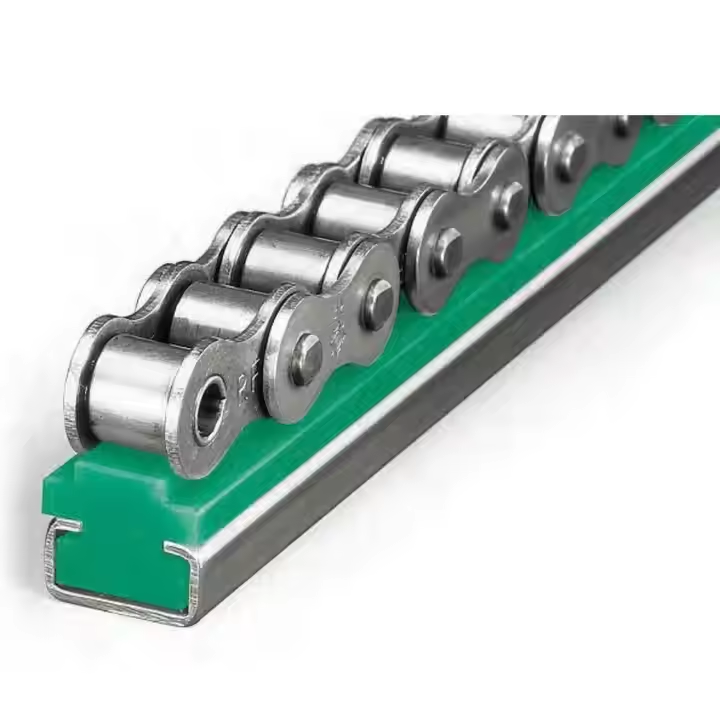
Understanding the Role of Chain Guides
Chain guides are essential components that support and direct the movement of chains in various mechanical systems. They prevent chains from sagging, misaligning, or coming into contact with other components, which can lead to increased friction, noise, and damage. By maintaining proper chain alignment, chain guides help optimize power transmission, reduce energy loss, and extend the lifespan of both the chain and the connected equipment. Whether used in conveyor systems, production lines, or heavy machinery, their role in ensuring smooth and reliable operation cannot be overstated.
Types of Chain Guides
Mechanical Chain Guides
Mechanical chain guides are the most common type, designed with rigid structures to provide stable support for chains. They are typically made from durable materials such as high-strength polymers or metals, offering resistance to abrasion and impact. These guides are ideal for applications with moderate loads and consistent chain speeds, providing reliable guidance without complex mechanisms. Their simple design makes them easy to install and maintain, making them a popular choice for many industrial setups.
Hydraulic Chain Guides
Hydraulic chain guides utilize hydraulic systems to adjust the guide’s position and tension based on the chain’s movement. This type of guide is suitable for applications where chains are subjected to varying loads or speeds, as the hydraulic mechanism can dynamically adapt to changing conditions. Hydraulic chain guides offer excellent precision in maintaining chain alignment, even in high-vibration environments, ensuring optimal performance and reduced wear. They are commonly used in heavy-duty machinery and industrial processes that require high levels of control and adaptability.
Electric Chain Guides
Electric chain guides incorporate electric motors or actuators to control the guide’s movement and positioning. These guides are highly automated, allowing for precise adjustments and remote control capabilities. They are well-suited for modern industrial systems that rely on automation and smart technology, enabling seamless integration with other equipment and control systems. Electric chain guides offer high efficiency, fast response times, and the ability to handle complex chain routing, making them a top choice for advanced manufacturing and logistics applications.
Key Factors to Consider When Buying Chain Guides
Material Selection
The material of the chain guide is crucial for its durability and performance. Common materials include polymers like nylon and polyurethane, which offer good resistance to chemicals, moisture, and low friction, making them suitable for lighter loads and indoor environments. Metals such as steel and aluminum are stronger and more resistant to heavy loads and high temperatures, ideal for harsh industrial settings. Consider the operating environment, load requirements, and exposure to elements when choosing the right material for your chain guide.
Design and Geometry
The design and geometry of the chain guide should match the specific chain type and application. Factors such as the chain’s width, pitch, and roller size need to be compatible with the guide’s channel or groove dimensions. A well-designed guide will provide proper support along the chain’s path, minimizing contact stress and ensuring smooth movement. Look for guides with rounded edges and smooth surfaces to reduce friction and prevent chain damage, especially in high-speed applications.
Compatibility with Existing Systems
Ensuring compatibility with your existing equipment is essential to avoid installation issues and operational inefficiencies. Check the dimensions, mounting options, and interface requirements of the chain guide to ensure it can be easily integrated into your current setup. Some guides may require specific brackets or adapters, so it’s important to verify compatibility with your machinery’s frame and chain drive system before making a purchase.
Load Capacity and Performance Ratings
Each chain guide has a specified load capacity and performance rating, indicating the maximum load it can handle and the optimal speed range for efficient operation. Exceeding these ratings can lead to premature wear, guide deformation, or chain failure. Assess your application’s load requirements, including static and dynamic loads, as well as the expected chain speed, to select a guide that can safely and effectively handle your operational needs.
Brand Reputation and Customer Support
Choosing a reputable brand for your chain guide ensures quality craftsmanship, reliable performance, and access to good customer support. Well-known brands often have extensive experience in manufacturing industrial components, using advanced materials and engineering techniques to produce high-quality guides. Additionally, they may offer warranties, technical support, and replacement parts, providing peace of mind and long-term service for your investment.
Top Picks for Chain Guides
Best Overall: XYZ Industrial Chain Guide
The XYZ Industrial Chain Guide stands out for its exceptional balance of efficiency and durability. Made from a high-strength composite polymer, it offers excellent resistance to abrasion and chemical corrosion, making it suitable for a wide range of industrial environments. Its precision-engineered design ensures optimal chain alignment, reducing friction and energy loss while maintaining smooth operation at high speeds. With a versatile mounting system and compatibility with most standard chain types, this guide is a reliable choice for various applications, from conveyor belts to manufacturing machinery.
Best for Durability: ABC Heavy-Duty Steel Chain Guide
For heavy-duty applications where durability is paramount, the ABC Heavy-Duty Steel Chain Guide is an excellent option. Constructed from heat-treated steel, it can withstand extreme loads, high temperatures, and harsh environmental conditions. The rugged design features reinforced edges and a robust mounting structure, ensuring long-lasting performance even in the most demanding industrial settings. While it may be heavier than polymer guides, its superior strength and resistance to wear make it ideal for heavy machinery, mining equipment, and outdoor applications.
Best for Efficiency: DEF Low-Friction Polyurethane Chain Guide
The DEF Low-Friction Polyurethane Chain Guide is designed to minimize energy consumption and enhance operational efficiency. The polyurethane material offers low coefficients of friction, reducing the force required to move the chain and lowering overall power usage. Its smooth surface and ergonomic design also contribute to reduced noise and vibration, creating a quieter and more comfortable working environment. This guide is perfect for high-speed systems and applications where energy savings and smooth operation are top priorities, such as automated production lines and conveyor systems.
Best Value for Money: GHI Economical Nylon Chain Guide
Offering a great combination of performance and affordability, the GHI Economical Nylon Chain Guide is an excellent choice for budget-conscious buyers. Made from high-quality nylon, it provides good resistance to wear and impact, suitable for moderate-load applications in indoor environments. The simple yet functional design ensures easy installation and maintenance, while the competitive price point makes it a popular option for small to medium-sized businesses. Whether used in light-duty conveyor systems or packaging equipment, this guide delivers reliable performance without breaking the bank.
Best for Industrial Automation: JKL Smart Electric Chain Guide
The JKL Smart Electric Chain Guide is designed for modern industrial automation systems, featuring advanced electric controls and smart connectivity. It allows for precise, motorized adjustment of the guide’s position, enabling real-time optimization based on chain performance data. Compatible with industrial IoT platforms, it can be integrated into smart factories for remote monitoring and predictive maintenance, enhancing overall system efficiency and reducing downtime. This guide is ideal for high-tech manufacturing facilities and automated logistics systems that require advanced control and connectivity.

Installation and Maintenance Tips for Chain Guides
Proper Installation Techniques
Installing chain guides correctly is essential for their optimal performance. Start by ensuring the mounting surface is clean and flat, and use the appropriate fasteners to secure the guide in place. Align the guide with the chain’s path, making sure there is uniform clearance on both sides to prevent binding. For adjustable guides, follow the manufacturer’s instructions to set the correct tension and position, ensuring the chain moves freely without sagging or rubbing against the guide edges.
Regular Maintenance Practices
Regular maintenance can significantly extend the lifespan of your chain guides. Inspect the guides periodically for signs of wear, such as scratches, cracks, or deformation, and check the mounting hardware for tightness. Clean the guides and the surrounding area to remove debris and lubricate moving parts if necessary, following the manufacturer’s recommendations for lubricants. For hydraulic or electric guides, also check the fluid levels, pressure settings, or electrical connections to ensure the control systems are functioning properly.
Troubleshooting Common Issues
If you notice unusual noise, vibration, or chain misalignment, it may indicate a problem with the chain guide. First, check the guide’s alignment and mounting to ensure it is securely positioned. If the guide is worn or damaged, consider replacing it with a new one that meets the application’s requirements. For adjustable guides, adjust the tension or position to correct any misalignment issues. In hydraulic or electric systems, troubleshoot the control components, such as pumps, valves, or motors, to ensure they are operating correctly.
Conclusion
Investing in the right chain guide is essential for maintaining efficient and durable operation in your mechanical systems. By understanding the different types of chain guides, key selection factors, and top product picks, you can make an informed decision that best suits your application’s needs. Remember to consider material, design, compatibility, load capacity, and brand reputation when choosing a guide, and follow proper installation and maintenance practices to maximize its performance and lifespan. With the right chain guide, you can enhance system efficiency, reduce downtime, and save on maintenance costs, ensuring long-term success in your industrial operations.