
- November 21, 2025
- Posted by: feinuojixie
- Category: Chain Guides News
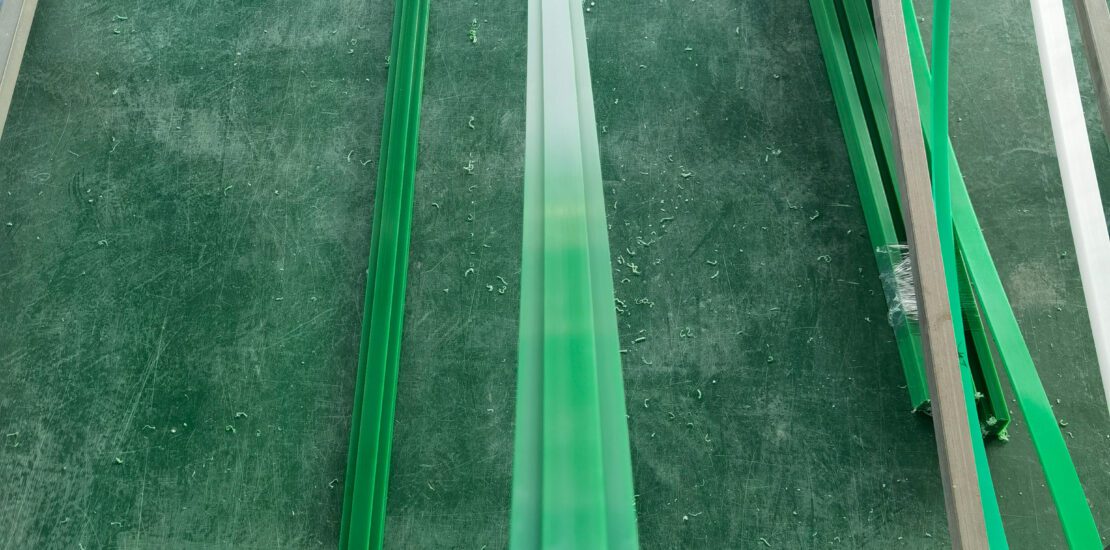
In modern food and beverage production, every detail of the processing line must be optimized for hygiene, efficiency, and reliability. Among the many components that keep products moving smoothly, plastic guide rail often plays an essential yet underestimated role. These seemingly simple elements support and guide bottles, cans, packages, and containers throughout the entire conveyor system, ensuring stable motion and minimizing disruptions. Their importance becomes even more significant in environments where strict sanitation standards, high speed, and heavy production volumes coexist.
Plastic guide rail has gained wide adoption in food plants because it offers advantages that traditional metal rail cannot match. It provides quiet operation, reduces friction, prevents scratching of containers, and contributes to a cleaner production line. Whether used in bottling halls, dairy processing, ready-to-eat packaging, or beverage canning, the right guide rail design helps boost throughput while lowering maintenance cost. As consumer expectations for food safety and quality continue to rise, manufacturers increasingly rely on durable, hygienic plastic guide rail to meet these demands.
Understanding Plastic Guide Rail: What They Are and Why They Are Essential
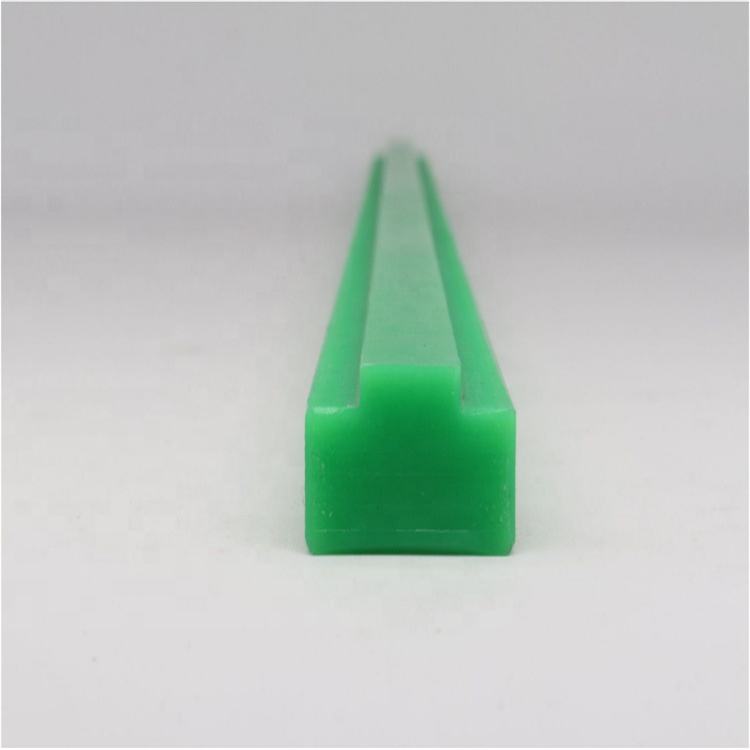
Plastic guide rail is a conveyor support component designed to guide and stabilize products as they move along processing lines. In food and beverage environments, where packaging varies from glass bottles to aluminum cans to plastic containers, maintaining consistent product flow is critical. Plastic guide rail helps achieve this by preventing tipping, minimizing vibration, and ensuring products maintain the correct orientation throughout handling.
Unlike metal rail, plastic guide rail offers smoother movement and lower friction, which reduces wear on both containers and conveyor components. Because they do not corrode or rust, they can withstand humid, wet, and chemical-washdown environments that metal rail struggles to endure. For facilities that manage continuous, high-volume operations, this durability and stability make plastic guide rail an indispensable asset.
Key Advantages of Plastic Guide Rail in Food and Beverage Processing
One of the strongest advantages of plastic guide rail is its excellent hygiene performance. Plastic does not absorb moisture and has a smooth surface that prevents contamination buildup, making it ideal for food contact zones. Plastic guide rail also reduces friction, enabling containers to move more quietly and efficiently with less energy consumption.
Another benefit is corrosion resistance. Food and beverage processing involves constant exposure to liquid ingredients, cleaning agents, and acidic substances. Plastic guide rail maintains structural integrity under these conditions, resulting in longer service life and lower replacement cost. Additionally, the material offers natural noise reduction, contributing to a more comfortable working environment and helping plants meet noise-control standards.
Types of Plastic Guide Rail Used in Food and Beverage Manufacturing
Food and beverage facilities rely on various types of plastic guide rail tailored to their specific production needs. Common material options include UHMW-PE for high wear resistance, POM for excellent dimensional stability, and HDPE for lightweight applications. Many manufacturers also choose FDA-approved plastics to ensure compliance with strict food-safety requirements.
Shape and configuration options vary widely. Straight rail is used for linear conveyors, while curved rail accommodates turns and directional changes in production flow. Snap-on rail simplifies installation and replacement, reducing downtime. Custom-shaped rail may be designed for unique containers, high-speed lines, or specialized bottling applications. Together, these plastic guide rail options allow plants to build conveyor systems that match exact performance demands.
How Plastic Guide Rail Improve Hygiene and Sanitation Compliance
Hygiene is a top priority in food and beverage operations, and plastic guide rail plays a vital role in maintaining sanitary conditions. The smooth, nonporous surface prevents bacteria from lodging in cracks or crevices. Many plastic materials are also chemically resistant, enabling the use of strong cleaning agents without risk of degradation.
Plastic guide rail supports compliance with HACCP, FDA, and EU hygienic design standards. Because they can be quickly cleaned and do not react with food products, they help minimize contamination risks during processing. Their resistance to moisture prevents swelling or warping, ensuring the equipment operates reliably even during frequent washdown cycles.
Enhancing Efficiency: How Plastic Guide Rail Reduce Wear, Downtime, and Maintenance
Efficiency is essential in high-speed processing lines, and plastic guide rail contributes by reducing friction across surfaces that contact moving containers. This minimized friction lowers stress on the conveyor motor and extends the life of the belt, chain, and bearings.
Plastic guide rail often features self-lubricating properties, which reduce the need for frequent lubrication and decrease the risk of lubricant contamination. Their lightweight design allows for faster installation and easier adjustment. Together, these features help reduce overall downtime, keeping production lines running consistently and lowering long-term maintenance cost.
Plastic Guide Rail for Conveyor Systems in Food and Beverage Plants
Conveyor systems are the backbone of food and beverage operations, and plastic guide rail ensures they function smoothly. In bottling lines, guide rail stabilizes glass and PET bottles during filling, capping, and labeling. In canning plants, they help aluminum cans maintain position during high-speed movement.
Plastic guide rail is equally important in packaging and sorting areas, where product sizes vary frequently. They help guide trays, cartons, pouches, and plastic containers with accuracy. Their flexibility and modular design allow quick adjustments when switching to new product formats, a major advantage for facilities with multiple product SKUs.
Choosing the Right Plastic Guide Rail for Your Processing Line
Selecting the ideal plastic guide rail requires evaluating several performance factors. Load capacity determines whether the rail can support the product weight without bending or deforming. Temperature tolerance is crucial for operations involving hot filling, pasteurization, or cold-room storage.
Production speed also influences material choice. High-speed lines demand plastics with excellent wear resistance and low friction. Chemical exposure from cleaning agents or ingredients may require selecting rail made from highly resistant materials. Additionally, compatibility with existing conveyor systems ensures proper alignment and smooth integration without additional modifications.
Installation Tips for Plastic Guide Rail in Food Processing Environments
Proper installation ensures long-term performance. Begin by verifying that mounting brackets and hardware are clean and corrosion-free. Alignment is key; even slight misalignment can cause container jams or premature wear. Ensure the rail is positioned at the correct height and angle to match the container shape.
Tension adjustment is equally important. Plastic guide rail should firmly guide products without applying excessive pressure, which can cause scuffing or slow movement. During installation, workers must follow strict hygienic procedures to avoid introducing contaminants into the production line.
Best Practices for Maintenance and Cleaning of Plastic Guide Rail
Routine maintenance maximizes service life. Regular inspections help identify wear patterns, cracks, or deformation. Establishing daily or weekly cleaning schedules prevents residue buildup from spills, oils, or packaging dust.
Use approved detergents that match the chemical compatibility of the plastic material. High-pressure rinsing can be effective, but operators should avoid overly abrasive tools that may scratch the rail surface. Replacing worn sections promptly ensures consistent product flow and prevents system-wide inefficiencies.
Real-World Case Examples: How Plastic Guide Rail Transform Production Lines
Many processing plants have significantly improved performance by switching from metal to plastic guide rail. Bottling facilities report quieter operation and fewer container jams due to the smoother guiding surface. Canning lines experience reduced wear on aluminum cans, improving the appearance and integrity of the final product.
In packaging plants, the ability to quickly adjust plastic guide rail for different product sizes helps reduce changeover time. Facilities also note lower maintenance cost because the rail resists corrosion and does not require frequent lubrication. These improvements collectively boost output and enhance line reliability.
Future Trends: The Evolution of Plastic Guide Rail in Food Manufacturing
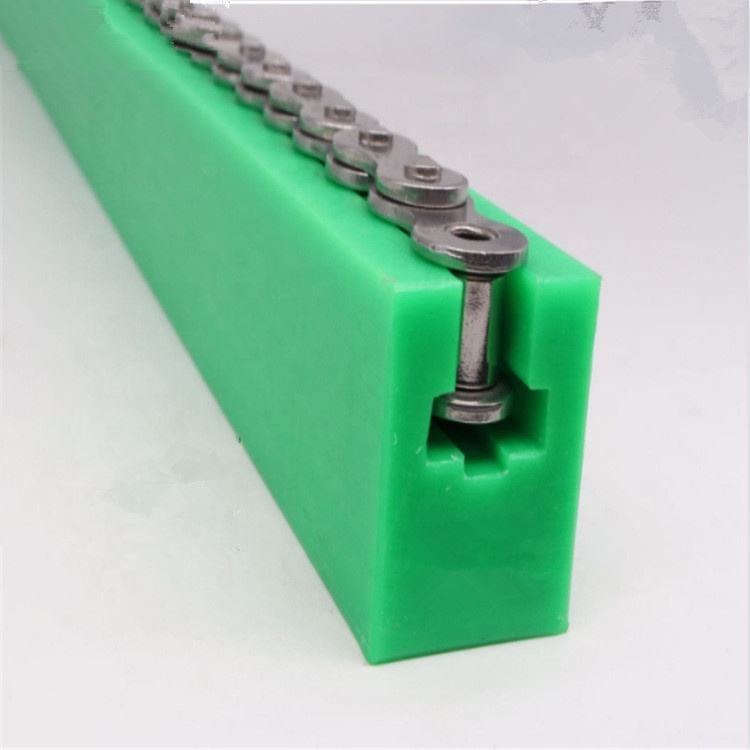
Innovations in plastic material continue to advance the capabilities of guide rail. Antimicrobial plastics are gaining popularity for their ability to inhibit bacterial growth. Low-noise formulations further reduce sound levels in high-speed operations, improving worker comfort.
Sustainability is also shaping the future of plastic guide rail, with more manufacturers developing recyclable or bio-based materials. Enhanced heat resistance and better dimensional stability will allow plastic guide rail to support even more demanding processing applications in the coming years.
Why Plastic Guide Rail Are the Smart Choice for Modern Food and Beverage Facilities
Plastic guide rail delivers a unique combination of hygiene, durability, efficiency, and adaptability that aligns perfectly with the needs of food and beverage processing. Their low friction, corrosion resistance, easy cleaning, and flexible design help manufacturers maintain high throughput while meeting strict safety standards. As technology continues to evolve, plastic guide rail will remain an essential component of reliable, high-performance conveyor and automation systems.