- September 29, 2025
- Posted by: feinuojixie
- Category: Chain Guides News
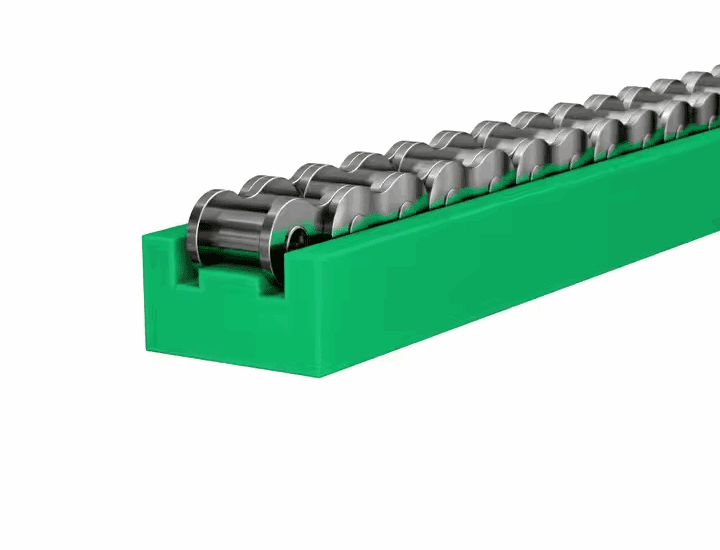
If you’re involved in any industrial operation that relies on guide rails, you’re likely all too familiar with the headaches associated with frequent replacements. Every time a guide rail wears out or malfunctions, it’s not just a simple swap – it’s a domino effect of problems.
Downtime in production is one of the most immediate and costly consequences. For factories running around – the – clock, even an hour of halted operations can translate into thousands of dollars in lost revenue. Consider a high – speed packaging line in a food processing plant. If the guide rails on the packaging machinery fail, the entire line has to be shut down. Workers are left idle, products can’t be packaged and shipped, and orders may be delayed, leading to potential customer dissatisfaction.
Then there are the direct costs of replacement. New guide rails themselves aren’t cheap, especially if you need high – quality, precision – engineered ones. But it doesn’t stop there. There are also the labor costs of removing the old rails and installing the new ones. This often requires skilled technicians, whose time is also an added expense. And let’s not forget about the cost of sourcing replacement parts, which may involve shipping fees, customs duties (if sourced internationally), and the time spent searching for reliable suppliers.
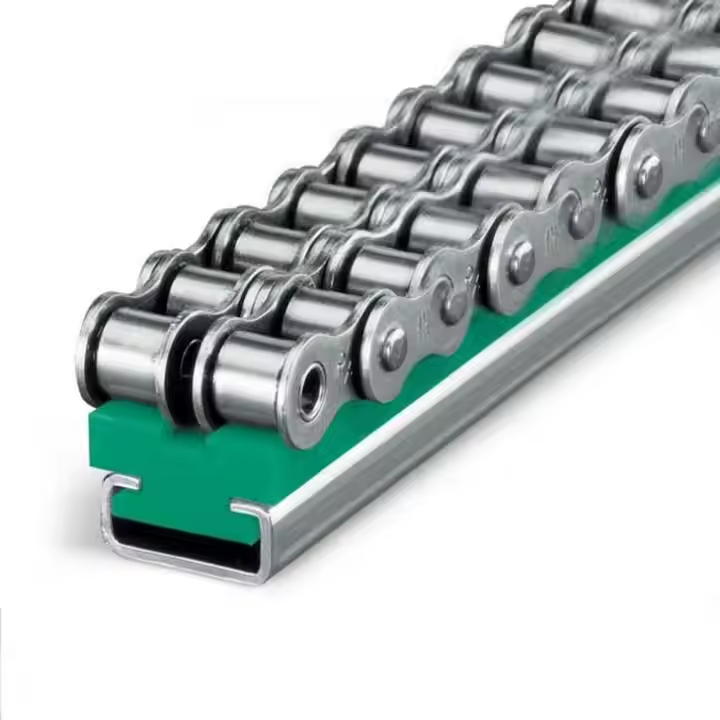
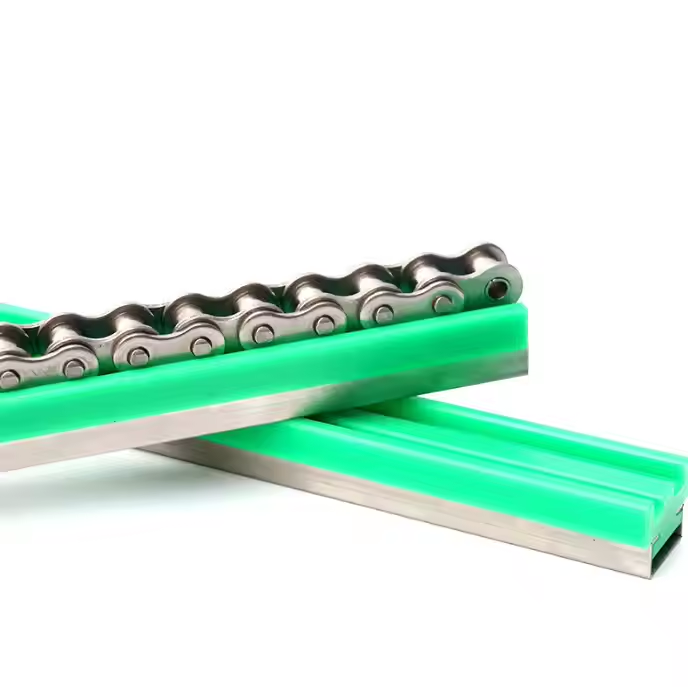
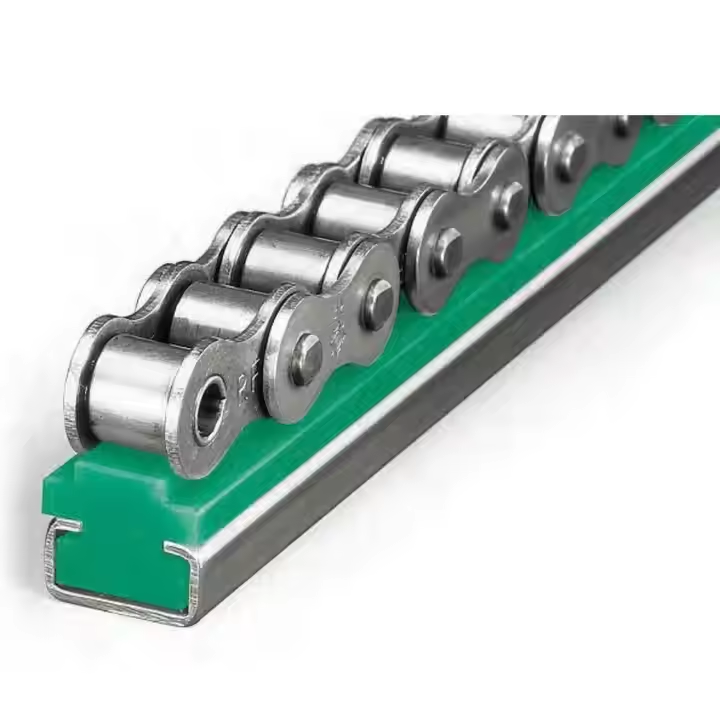
But what if there was a solution that could put an end to this cycle of frequent replacements? Enter UHMW guide rails. Ultra – High – Molecular – Weight (UHMW) polyethylene guide rails offer a revolutionary alternative that addresses all these issues head – on. They are designed to be highly durable, resistant to wear and tear, and can withstand harsh operating conditions. By switching to UHMW guide rails, you could potentially reduce the frequency of replacements, minimize downtime, and cut down on overall costs. In the following sections, we’ll take a closer look at what UHMW guide rails are, how they work, and why they might be the perfect solution for your industrial needs.
Understanding the Problem: Why Frequent Replacements Happen
Before we dive into the benefits of UHMW guide rails, it’s crucial to understand why regular guide rails often need frequent replacements.
Wear and Tear
One of the primary culprits is simple wear and tear. In industrial settings, guide rails are constantly in motion, with components sliding or rolling along them. Over time, this friction can cause the surface of the guide rail to gradually erode. For example, in a conveyor system used in a large – scale warehouse to move heavy boxes, the continuous movement of the conveyor trolleys on the guide rails leads to significant abrasion. The more frequently the system operates, the faster the wear occurs. As the guide rail wears down, it loses its precision, which can lead to misalignment of the moving parts. This misalignment not only reduces the efficiency of the machinery but also increases the risk of component failure and further damage to the system.
Corrosion
Exposure to various environmental factors can also lead to the corrosion of guide rails. In humid environments, such as those found in food processing plants near water sources or in some chemical manufacturing facilities, the metal guide rails are prone to rust. Even a small amount of moisture in the air, combined with impurities like dust or chemicals present in the industrial setting, can initiate a chemical reaction that causes the metal to corrode. In a paper mill, for instance, where there is a high – humidity environment due to the paper – making process involving large amounts of water, the guide rails on the paper – handling equipment can start to corrode within a relatively short period. Corrosion weakens the structure of the guide rail, making it more likely to break or malfunction, thus necessitating replacement.
Inadequate Strength
Some guide rails may not be designed to handle the heavy loads or high – stress conditions of certain industrial applications. If a guide rail is used in a setting where the weight it has to support exceeds its rated capacity, it can deform or break under the pressure. Consider a manufacturing plant that upgrades its production process to handle larger and heavier products but fails to upgrade the guide rails on its assembly line. The existing guide rails, which were suitable for the previous, lighter – weight components, may start to bend or crack under the increased load. This not only disrupts the production process but also poses a safety risk as the malfunctioning guide rails can cause products to fall or machinery to operate erratically.
Enter UHMW Guide Rails: The Game Changer
Ultra – High – Molecular – Weight (UHMW) polyethylene is a thermoplastic polymer with a molecular weight typically in the range of 3.5 to 7.5 million. This extremely high molecular weight gives UHMW its remarkable properties that set it apart as an ideal material for guide rails.
What makes UHMW guide rails so unique? First and foremost is their outstanding wear resistance. The long – chain molecular structure of UHMW provides a high level of toughness and durability. When compared to traditional metal guide rails, UHMW guide rails can withstand significantly more friction without showing signs of wear. In a textile manufacturing plant where fabric – handling machinery uses guide rails, UHMW guide rails can last up to five times longer than their metal counterparts. This is because the smooth surface of UHMW reduces the coefficient of friction, minimizing the abrasion caused by the continuous movement of components along the rail.
UHMW guide rails also have excellent chemical resistance. They are not easily affected by most chemicals, making them suitable for use in environments where traditional guide rails would quickly corrode. In a chemical processing plant, for example, where acids and alkalis are commonly used, UHMW guide rails can maintain their integrity and functionality, while metal guide rails would succumb to corrosion within a short period. This chemical resistance also extends to their resistance to moisture, ensuring that they don’t degrade in humid conditions.
Another advantage of UHMW guide rails is their low coefficient of friction. This property allows for smooth and efficient movement of objects along the rail. In automated assembly lines, where precision and speed are crucial, the low – friction surface of UHMW guide rails enables components to move quickly and accurately, reducing the risk of jams or misalignments. It also means that less energy is required to move objects along the rail, contributing to energy savings in industrial operations.
The Unbeatable Benefits of UHMW Guide Rails
Exceptional Wear Resistance
UHMW guide rails stand out for their remarkable wear resistance. As mentioned earlier, their long – chain molecular structure contributes to this property. In a wood – processing factory, the guide rails on the cutting and shaping machinery are constantly in contact with rough – textured wooden materials. Traditional metal guide rails in such an environment would quickly show signs of wear, with grooves and scratches forming on their surfaces due to the abrasion caused by the movement of the machinery parts and the wood. However, UHMW guide rails can endure this harsh usage for an extended period. The smooth surface of UHMW not only reduces the friction between the moving parts and the rail but also distributes the stress more evenly, minimizing the formation of hotspots that could lead to premature wear. This extended lifespan means fewer replacements, less downtime, and ultimately, more efficient production processes.
High Chemical Resistance
Chemical resistance is another area where UHMW guide rails shine. In industrial settings like chemical plants, electroplating facilities, and even some pharmaceutical manufacturing units, guide rails are often exposed to a wide range of chemicals. Metal guide rails are highly susceptible to corrosion when in contact with acids, alkalis, and other corrosive substances. For example, in an electroplating bath, the acidic or alkaline solutions used for plating can quickly corrode metal guide rails, leading to pitting, rusting, and eventually failure. UHMW guide rails, on the other hand, are virtually immune to the effects of most common industrial chemicals. This chemical inertness ensures that the guide rails maintain their structural integrity and functionality, regardless of the chemical environment they are in. It also reduces the need for frequent replacements due to chemical damage, saving both time and money.
Low Friction Coefficient
The low friction coefficient of UHMW guide rails is a game – changer for industrial operations. In a high – speed bottling line in a beverage factory, the bottles are moved along guide rails at a rapid pace. With traditional guide rails, the relatively high friction can cause the bottles to slow down, jostle against each other, or even get stuck. This not only reduces the production speed but also increases the risk of breakages. UHMW guide rails, with their low friction surface, allow the bottles to glide smoothly along the rail. This results in a more efficient and reliable production process. Moreover, the reduced friction means that less energy is required to move objects along the guide rails. In large – scale industrial operations, where thousands or even millions of components are moved along guide rails daily, these energy savings can add up significantly over time, leading to lower operational costs.
Lightweight Yet Strong
Despite being lightweight, UHMW guide rails are incredibly strong. In an aerospace manufacturing facility, where weight is a critical factor, UHMW guide rails can be used in the assembly and movement of delicate components. The lightweight nature of UHMW makes it easier to handle during installation. Workers can install UHMW guide rails more quickly and with less physical effort compared to heavier metal guide rails. This reduces the labor time and cost associated with installation. At the same time, the high strength of UHMW ensures that it can support the loads required in industrial applications without deforming or breaking. In a large – scale automated warehouse, the UHMW guide rails on the automated storage and retrieval systems can support the weight of heavy storage bins while allowing for smooth and efficient movement, all while being lightweight enough to reduce the overall load on the mechanical systems.
Making the Switch: A Step – by – Step Guide
Assessment of Your Current Setup
Before making the switch to UHMW guide rails, it’s essential to assess your current setup. First, document the frequency of guide rail replacements in your operations. If you’re replacing them more than once or twice a year, it’s a strong indication that a change might be beneficial. Measure the load capacity requirements of your machinery. If your current guide rails are frequently failing due to overloading, UHMW guide rails with their high – strength – to – weight ratio could be a great fit. Also, take note of the environmental conditions in your industrial setting. If there’s a high presence of chemicals or moisture, the chemical and corrosion resistance of UHMW guide rails becomes even more appealing.
Research and Supplier Selection
Installation Process
Real – World Success Stories
Case 1: Automotive Manufacturing Plant
Case 2: Wastewater Treatment Facility
Frequently Asked Questions about UHMW Guide Rails
What are the maintenance requirements for UHMW guide rails?
In which types of industrial applications are UHMW guide rails most suitable?
Are UHMW guide rails compatible with other materials used in industrial machinery?