
- October 31, 2025
- Posted by: feinuojixie
- Category: Injection Molding News
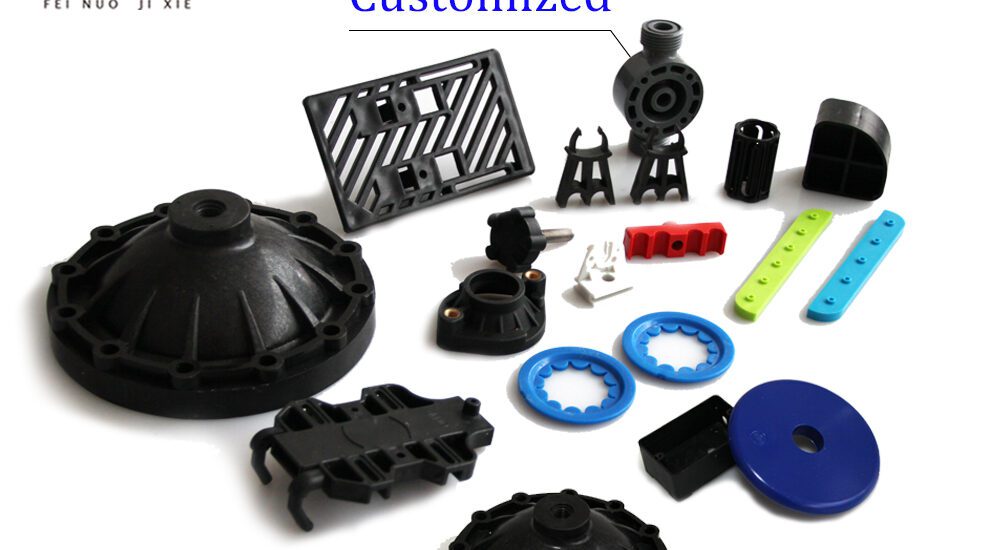
The manufacturing landscape is evolving at an unprecedented pace, and plastic injection molding part technology stands at the center of this transformation. Once seen as a purely mechanical process, injection molding has now embraced innovation through digitalization, automation, and material science. These advancements are redefining how parts are designed, produced, and optimized — resulting in greater precision, reduced waste, and improved product performance. In this article, we’ll explore the top five innovations that are driving the future of plastic injection molding part and why they matter to manufacturers worldwide.
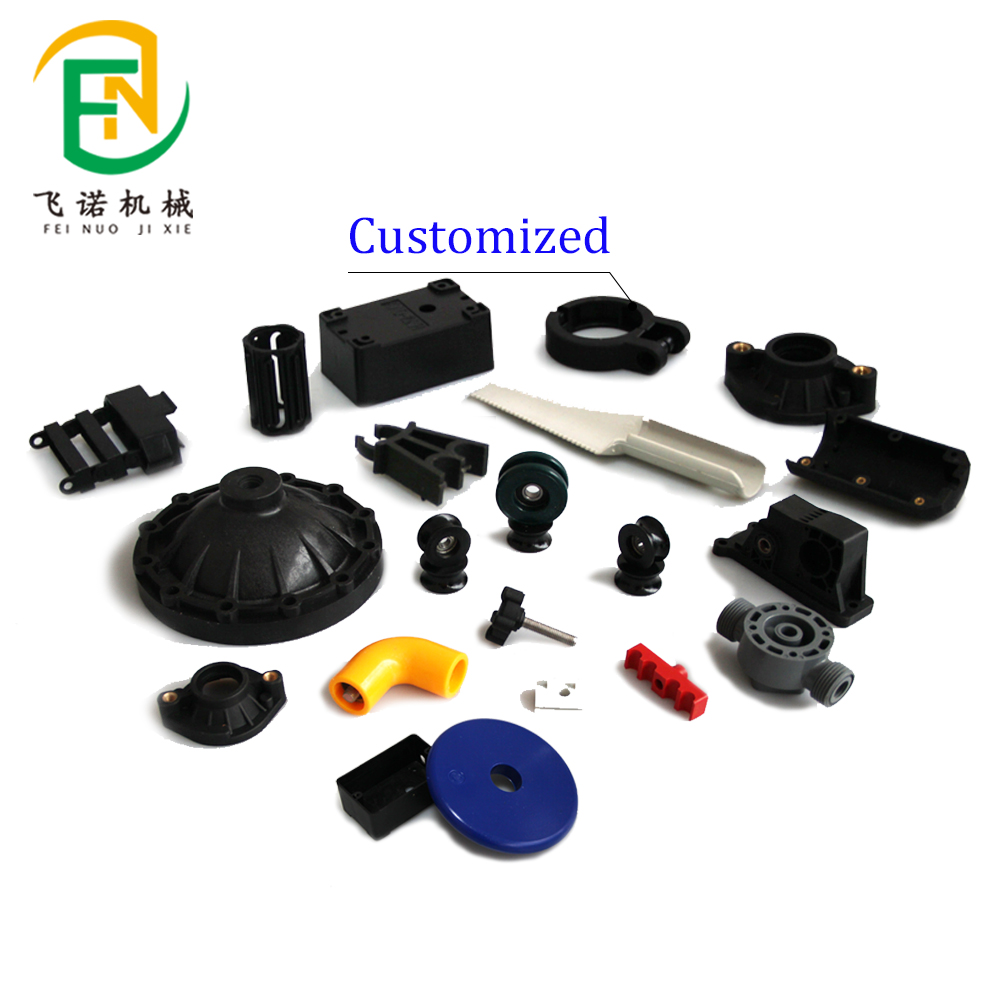
Smart Manufacturing and IoT Integration in Plastic Injection Molding Part
One of the most significant shifts in modern manufacturing is the adoption of smart manufacturing powered by the Internet of Things (IoT). In the world of plastic injection molding part, this means that machines, molds, and sensors are now interconnected to collect and analyze data in real time. With smart sensors embedded into molding machines, manufacturers can continuously monitor variables such as temperature, pressure, and cycle time to ensure consistent product quality.
Through data analytics and predictive maintenance, issues can be detected before they lead to costly downtime. For example, a sensor can alert technicians if a mold cavity begins to overheat or if injection pressure deviates from the set standard. This proactive approach not only minimizes scrap rates but also extends mold lifespan and increases overall equipment efficiency. In essence, IoT transforms traditional injection molding into a self-learning, data-driven ecosystem that delivers smarter, faster, and more reliable production outcomes.
Advanced Material Development for Plastic Injection Molding Part
Material innovation is another driving force behind the evolution of plastic injection molding part. Manufacturers are no longer limited to standard thermoplastics; they now have access to high-performance polymers and composites that offer exceptional strength, flexibility, and resistance to heat or chemicals. Materials such as polyether ether ketone (PEEK), liquid crystal polymer (LCP), and reinforced nylon are being used to create lightweight yet durable components for automotive, medical, and aerospace industries.
Additionally, the push toward sustainability has inspired the rise of bio-based and recyclable polymers. These eco-friendly materials help manufacturers reduce their carbon footprint without sacrificing product quality. Some companies are even developing biodegradable plastics derived from renewable resources like corn or sugarcane. With advanced materials, manufacturers can achieve improved product functionality, longer life cycles, and greener production — all of which meet the growing global demand for environmentally responsible manufacturing.
Micro Injection Molding Technology Revolutionizing Plastic Injection Molding Part
As industries demand increasingly smaller and more precise components, micro injection molding technology has emerged as a breakthrough innovation. This technology enables the production of micro-sized plastic injection molding part with extreme accuracy, often weighing less than one gram. It’s particularly valuable in sectors such as electronics, medical devices, and telecommunications, where even the slightest dimensional error can lead to performance failure.
Micro molding uses highly specialized equipment capable of controlling injection volumes and pressure with microscopic precision. The result is parts with ultra-fine details, superior surface finishes, and minimal material waste. Moreover, this technology opens the door to new design possibilities that were once considered impossible with traditional molding methods. For manufacturers, micro injection molding offers a competitive advantage — producing smaller, lighter, and more efficient components that drive innovation across industries.
Automation and Robotics Transforming Plastic Injection Molding Part Production
Automation has become a defining feature of modern plastic injection molding part manufacturing. Robots are now performing complex and repetitive tasks such as part removal, trimming, assembly, and packaging — allowing human workers to focus on higher-level operations like quality control and system optimization. This not only improves efficiency but also ensures a consistent level of precision and safety on the production floor.
Collaborative robots (cobots) are especially popular because they can work safely alongside human operators. When integrated with vision systems and AI-driven quality inspection tools, they can detect even the smallest defects in molded parts, ensuring near-perfect quality. Automated systems also enable lights-out manufacturing — continuous production with minimal human intervention. By embracing robotics, manufacturers achieve faster cycle times, reduced labor costs, and increased productivity while maintaining consistent product quality.
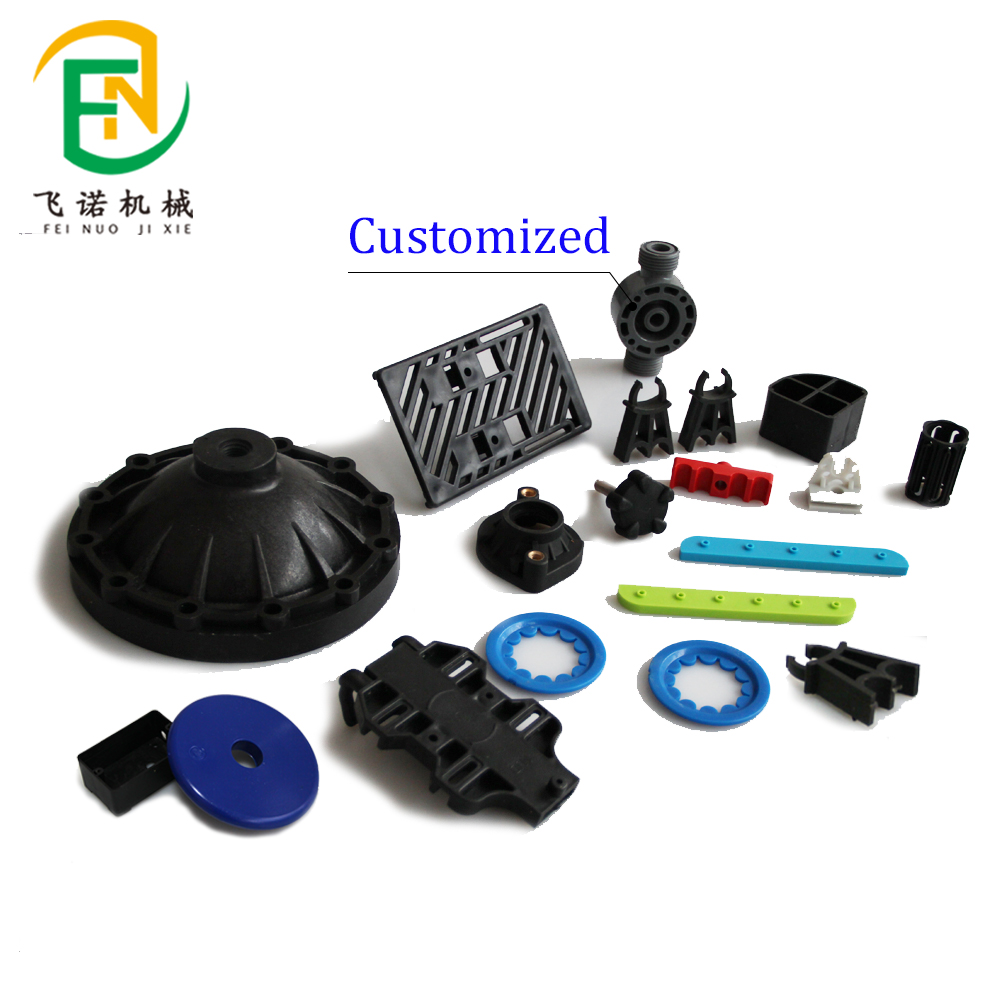
Simulation and Digital Twin Technology Enhancing Plastic Injection Molding Part Design
Designing a plastic injection molding part is as much about precision as it is about prediction. This is where simulation and digital twin technology come into play. Engineers can now create virtual models of molds and simulate the entire injection process before any physical prototype is made. These digital twins replicate real-world conditions, allowing teams to analyze material flow, cooling patterns, and potential defects such as warping or sink marks.
By identifying and solving design flaws early, manufacturers can significantly reduce trial runs, material waste, and time to market. Simulation also provides valuable insights for optimizing mold geometry and processing parameters, ensuring that the final part meets both performance and aesthetic requirements. Ultimately, digital twin technology transforms product development from a trial-and-error approach into a precise, data-informed process that saves cost and enhances quality.
Conclusion
The plastic injection molding part industry is entering a new era shaped by innovation, intelligence, and sustainability. From smart manufacturing systems and IoT integration to cutting-edge materials, micro molding, automation, and digital twins — each advancement pushes the boundaries of what’s possible in manufacturing. These technologies not only improve product performance and production efficiency but also align with global efforts toward sustainability and resource optimization.
For manufacturers who embrace these innovations, the rewards are clear: faster production, higher quality, and a stronger competitive edge in a rapidly changing marketplace. As technology continues to evolve, the future of plastic injection molding part promises to be smarter, greener, and more efficient than ever before.