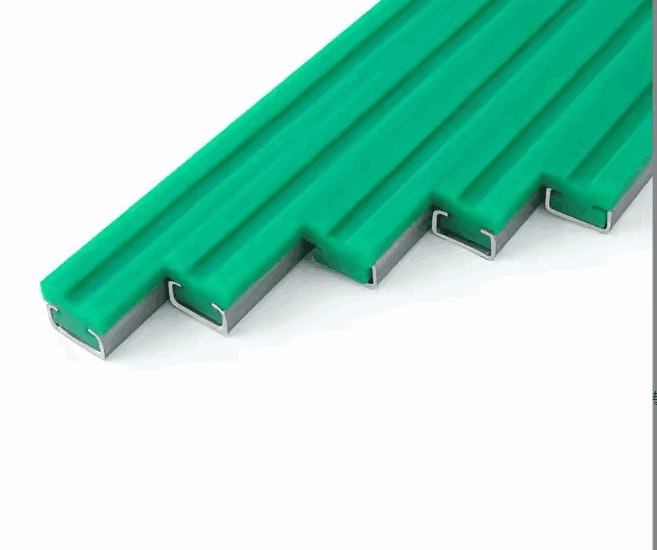
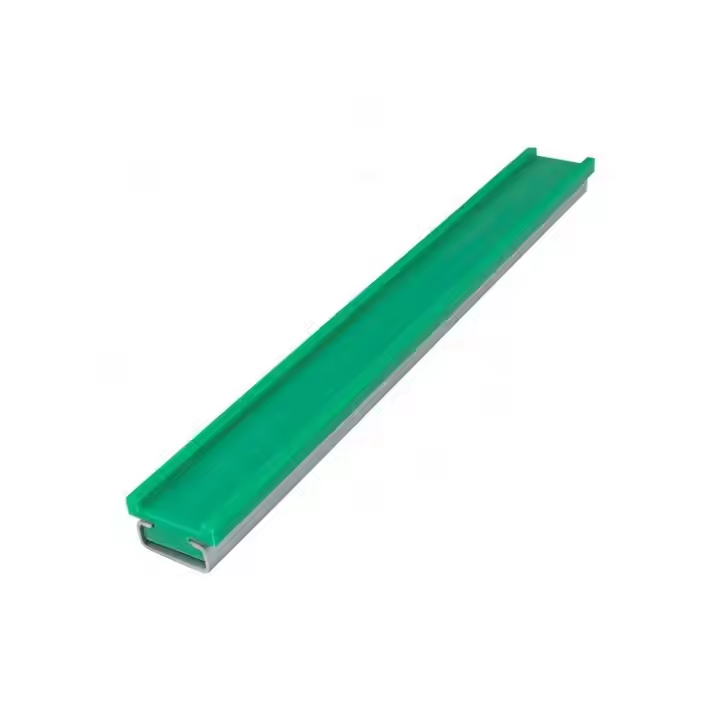
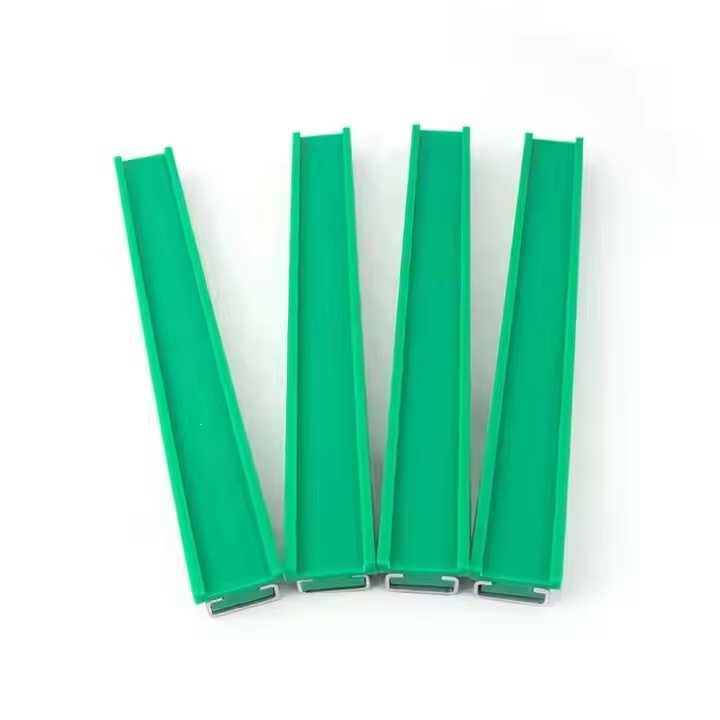
Chain guides play a pivotal role in maintaining the efficiency and safety of machinery, equipment, or vehicles with chain-driven systems, such as bicycles, motorcycles, industrial conveyors, or agricultural tools. These components ensure the chain stays properly aligned, reduces friction, and minimizes wear. However, over time, chain guides can deteriorate due to constant use, exposure to debris, or mechanical stress. Recognizing the signs of wear and tear is crucial to prevent chain derailment, equipment damage, or safety hazards. In this article, we’ll explore the top five indicators that your chain guides need replacement, helping you identify issues early and take proactive maintenance steps.
1. Unusual Noises During Operation
One of the first red flags of worn chain guides is the emergence of abnormal sounds. If you hear persistent grinding, rattling, or clunking noises while the chain is in motion, it often signals a problem with the guides. Damaged or misaligned chain guides can cause the chain to rub against metal components, plastic surfaces, or other parts, creating these audible warnings. For example, on a bicycle, a clicking noise might indicate a misaligned derailleur hanger or worn pulley guides. In industrial settings, a loud scraping sound could mean the guide rails are cracked or eroded. Ignoring these noises can lead to further damage to the chain, sprockets, or even the machinery’s drivetrain.
2. Visible Wear and Tear on the Guides
Inspecting the chain guides visually is essential for early detection of damage. Examine the guides for signs of physical deterioration, such as cracks, chips, deformations, or excessive smoothness from friction. Chain guides made of plastic or composite materials are particularly prone to wearing down over time, as the constant contact with the chain can create grooves or flat spots. On metal guides, look for rust, corrosion, or burrs that may disrupt the chain’s path. If the guides feel loose, wobbly, or no longer hold the chain securely in place, it’s a clear indication that they’ve lost their structural integrity and need replacement.
3. Chain Misalignment or Slippage
A key function of chain guides is to keep the chain properly aligned with the sprockets or gears. When guides are worn, the chain may start to shift out of place, leading to misalignment or frequent slippage. For instance, on a motorcycle, a misaligned chain guide can cause the chain to rub against the swingarm or derail entirely, posing a safety risk. In conveyor systems, a slipping chain can disrupt workflow and cause uneven load distribution. If you notice the chain consistently drifting to one side, jumping off the sprockets, or failing to engage smoothly, the chain guides are likely no longer providing adequate support. This issue can also increase tension on the chain, leading to premature wear or breakage.
4. Reduced Performance or Efficiency
Worn chain guides can silently degrade the overall performance of your equipment. In vehicles, you may notice a decrease in power transmission, sluggish acceleration, or inconsistent gear shifting—all signs that the chain guides are no longer optimizing the chain’s movement. For industrial applications, a decline in conveyor speed, uneven material handling, or increased energy consumption could signal guide-related issues. Reduced efficiency not only affects productivity but also increases operational costs over time. If your machinery isn’t performing as smoothly or effectively as it once did, inspecting the chain guides should be a top priority.
5. Physical Damage to the Chain or Sprockets
In advanced cases of neglected chain guide wear, the damage can extend to the chain and sprockets themselves. Excessive friction from faulty guides can cause the chain links to stretch, wear unevenly, or develop sharp edges. Sprockets may also show signs of premature wear, such as hooked teeth or uneven grooving, as the misaligned chain puts extra stress on them. If you notice rust, excessive oil buildup, or visible damage to the chain or sprockets, it’s likely that the chain guides have been compromised for some time. Addressing this issue promptly can save you from costly replacements of entire drivetrain components.
Conclusion
Regular maintenance and timely replacement of worn chain guides are essential for preserving the longevity and safety of your equipment. By staying alert for unusual noises, visible wear, chain misalignment, performance dips, or collateral damage to the chain and sprockets, you can prevent minor issues from escalating into major problems. Whether you’re maintaining a personal bicycle, a fleet of industrial machines, or agricultural equipment, prioritizing chain guide health ensures smooth operation, reduces downtime, and protects your investment. If you’re unsure about assessing the condition of your chain guides, consult a professional technician to perform a thorough inspection and recommend the appropriate replacements. Keeping your chain guides in optimal condition is a small step that yields significant benefits for your machinery’s reliability and performance.
How can we help you?
You can contact your account manager directly or submit a business inquiry online.