
- September 5, 2025
- Posted by: feinuojixie
- Category: Chain Guides News
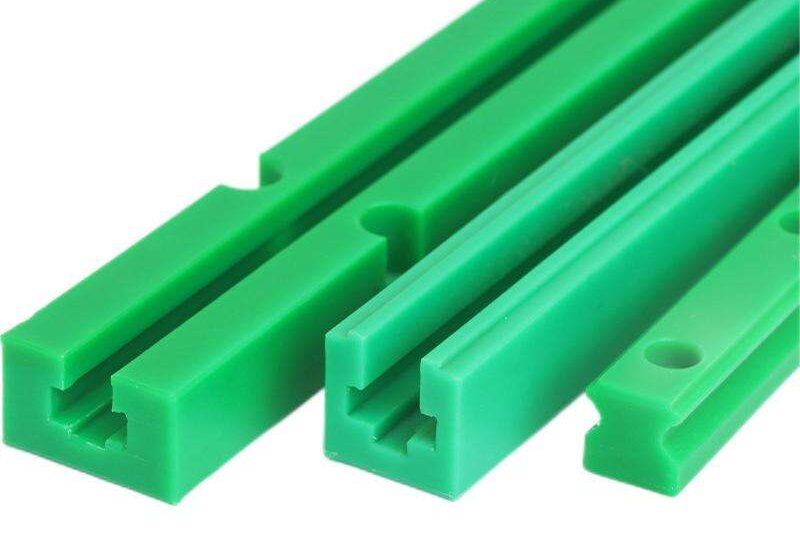
In almost every industry where machinery plays a role, a small component can often make a big difference. A wear strip is one of those overlooked but critical parts that quietly keeps operations running smoothly. Designed to minimize friction, protect moving parts, and extend the lifespan of equipment, it has become a trusted solution across a wide range of sectors. From food processing to mining, the use of a wear strip directly translates into improved efficiency, reduced downtime, and long-term cost savings. This article will explore seven industries where the presence of a wear strip truly makes all the difference.
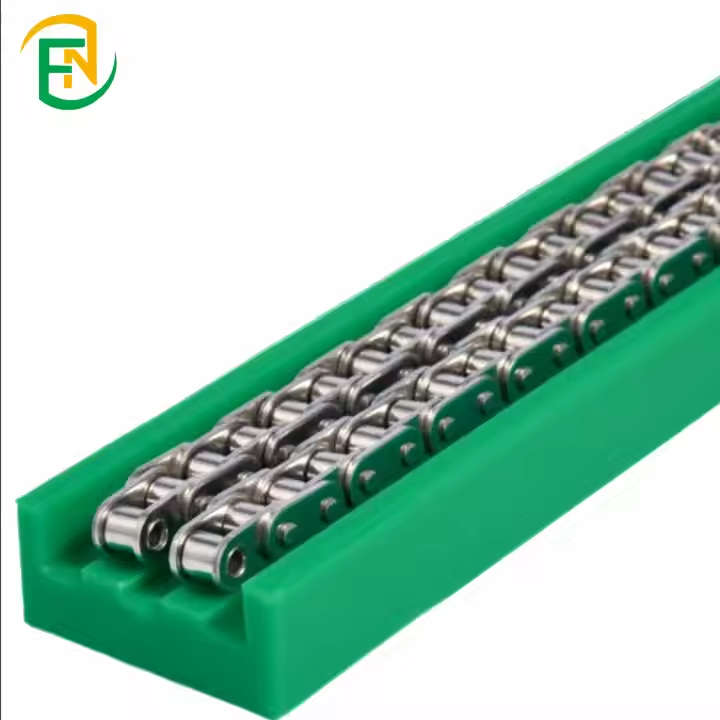
Manufacturing Industry: The Backbone of Efficiency with Wear Strip
The manufacturing floor is one of the most common places where a wear strip is essential. Conveyor systems, automated machines, and heavy-duty equipment constantly operate under high stress. Without a wear strip, friction between moving parts can lead to premature wear, misalignment, or costly downtime. By acting as a protective buffer, the wear strip reduces mechanical stress and allows equipment to operate smoothly for longer periods. For manufacturers, this means fewer interruptions, more consistent output, and significant savings on maintenance.
Food Processing Industry: Hygiene and Safety with Wear Strip
In the food processing sector, hygiene and compliance with safety standards are non-negotiable. A wear strip plays an important role in conveyor systems that transport raw and packaged food. These strips are often made from FDA-approved materials, which resist contamination and are easy to clean. Their low-friction surface ensures smooth product handling while preventing damage to delicate items such as baked goods, fruits, or packaged meals. By choosing the right wear strip, food producers can maintain sanitary conditions and meet strict industry regulations while maximizing operational reliability.
Packaging Industry: Speed and Precision Supported by Wear Strip
Packaging facilities demand accuracy at high speeds. When cartons, bottles, or pouches move through conveyor lines, even a minor misalignment can result in wasted materials and reduced productivity. A wear strip provides the support needed to keep packages aligned and moving at a consistent pace. By minimizing vibration and wear on conveyors, it ensures smoother transitions and higher output. For businesses in this field, a wear strip is a quiet but powerful partner in achieving efficiency, precision, and cost control.
Automotive Industry: Durability and Reliability from Wear Strip
The automotive industry relies heavily on automated systems and assembly lines where reliability is everything. A wear strip is used in conveyors, robotic arms, and guiding systems to reduce friction between parts and maintain alignment. By lowering wear and tear on critical equipment, it ensures that production schedules remain steady and quality standards are met. In a sector where precision and durability are crucial, the wear strip proves itself as a cost-effective way to protect machinery and maintain efficiency.
Mining and Quarry Industry: Heavy-Duty Protection from Wear Strip
Mining and quarry operations take place in some of the harshest environments imaginable. Equipment is subjected to abrasive materials, extreme loads, and constant stress. Here, a wear strip serves as a protective layer, absorbing impact and reducing damage to machinery. It helps extend the service life of conveyors, crushers, and transport systems, all while lowering the frequency of repairs. For industries where downtime translates directly to lost revenue, the rugged reliability of a wear strip is an indispensable advantage.
Logistics and Warehousing: Productivity Boost with Wear Strip
In modern warehousing and logistics, efficiency is the key to meeting tight delivery schedules. Conveyor belts, sorting machines, and material handling systems rely on a wear strip to keep goods moving smoothly. By reducing friction and noise, it not only boosts productivity but also creates a quieter and safer work environment. Warehouses benefit from reduced maintenance costs and uninterrupted workflows, proving that a wear strip plays a pivotal role in keeping supply chains agile and reliable.
Agriculture Industry: Field Applications of Wear Strip
Agricultural equipment operates in tough outdoor conditions where dust, dirt, and constant movement create heavy wear on machinery. A wear strip offers essential protection for farm equipment such as grain conveyors, harvesting machines, and feed handling systems. Its ability to endure rugged conditions while reducing part degradation ensures longer service life and consistent performance. For farmers, this translates into fewer equipment breakdowns during critical harvest seasons and more dependable productivity in the field.
Conclusion
A wear strip may seem like a small component, but its impact on industry operations is significant. From maintaining hygiene in food processing to protecting machinery in mining, it proves its worth by increasing durability, efficiency, and cost savings. Across manufacturing, packaging, automotive, logistics, and agriculture, the story remains the same: a wear strip is not just an accessory but a vital investment. By recognizing its role, businesses can unlock smoother operations, reduced downtime, and long-term success.