
- July 2, 2025
- Posted by: feinuojixie
- Category: Injection Molding News
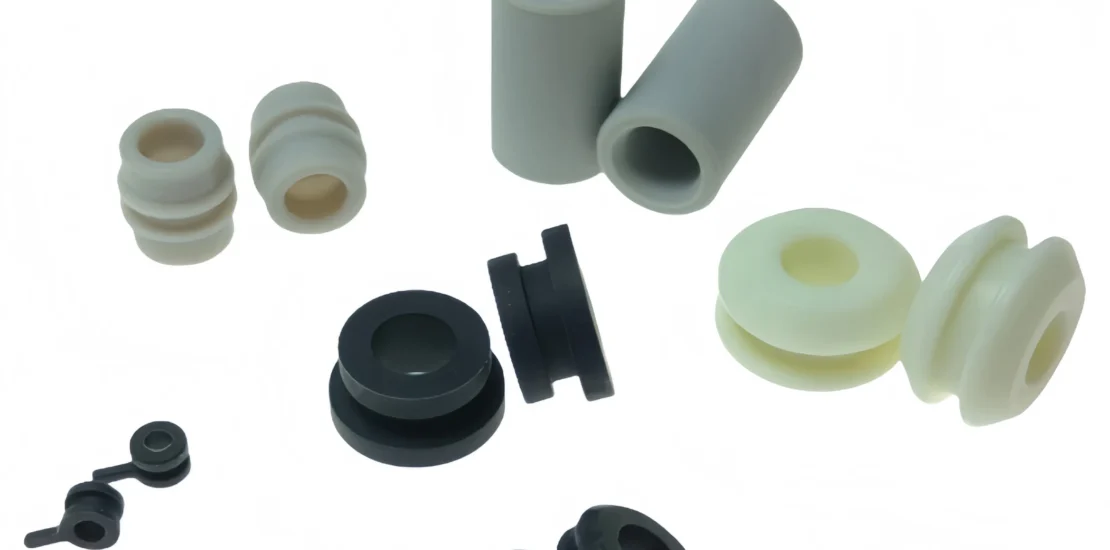
Injection molding has become a cornerstone of modern manufacturing—valued for its precision, repeatability, and cost-efficiency. Whether you’re creating consumer goods, automotive parts, or industrial components, partnering with the right injection molding service can make or break your product’s success. However, even with the best intentions, many companies fall into common traps during the injection molding process. These mistakes may not always be obvious at first, but they can lead to expensive production delays, subpar quality, and strained supplier relationships. In this article, we’ll explore the top missteps to avoid when working with an injection molding service—and how to ensure your project stays on track from design to delivery.
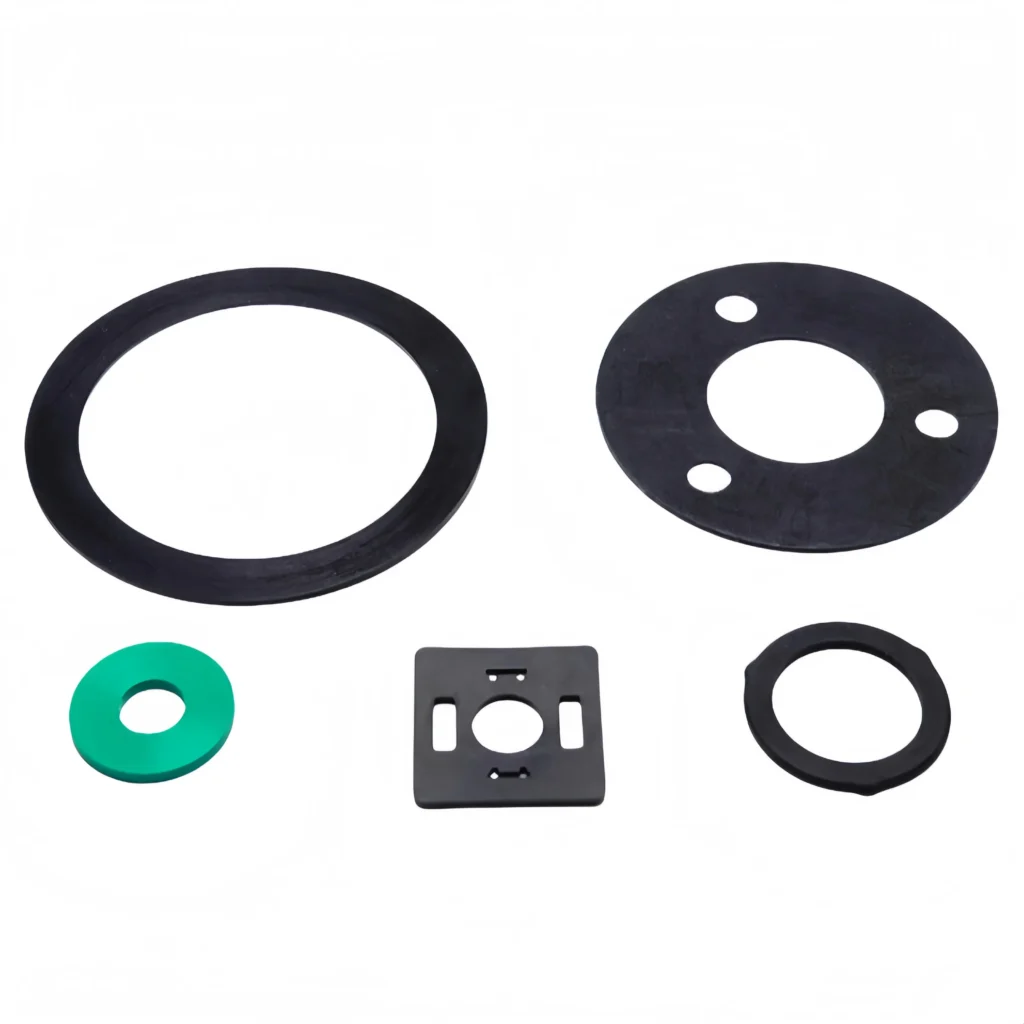
Ignoring Material Compatibility for Your Product Design
One of the most overlooked aspects of injection molding is material selection. Each product has its own functional, visual, and mechanical requirements, and not all plastics behave the same way. Choosing a resin that doesn’t match your product’s needs can lead to brittleness, warping, discoloration, or failure in real-world use. Unfortunately, many companies assume the injection molding service will handle material decisions without clear guidance. Instead, it’s vital to work closely with your service provider to evaluate materials based on strength, flexibility, temperature resistance, and chemical exposure. A mismatch at this early stage can compromise the entire production run.
Overlooking the Importance of Mold Design in Final Product Quality
The mold is the foundation of the entire injection molding process. A flawed mold design can introduce defects like flash, sink marks, or uneven filling that directly affect part quality. Yet many businesses don’t take time to review or approve mold designs before production begins. Critical mold elements—such as the placement of gates, flow channels, venting, and cooling—must be carefully engineered to match the geometry and thickness of the part. Working with an injection molding service that provides detailed mold flow analysis and design-for-manufacturability feedback can help catch issues before they turn into expensive errors.
Failing to Communicate Tolerances and Specifications Clearly
Precise dimensions matter, especially when parts must fit into assemblies or perform reliably under stress. One of the most common mistakes is failing to specify exact tolerances or relying on generic design files. This can result in parts that are technically correct but practically unusable. To avoid this, product teams should clearly communicate critical dimensions, acceptable variances, and performance expectations. A reliable injection molding service will request this information upfront, but it’s the client’s responsibility to provide it. The more precise the documentation, the better the outcome.
Choosing an Injection Molding Service Based Solely on Price
Price is always a factor in vendor selection—but it should never be the only one. Selecting the lowest bidder might seem like a smart financial move, but it often comes at the expense of quality, consistency, and support. Lower-cost providers may cut corners on mold material, cycle time, or part inspection to meet pricing demands. Instead, decision-makers should evaluate the injection molding service based on capabilities, certifications, customer service, and proven track record. A slightly higher upfront cost can save thousands in avoided rework, delays, and customer complaints.
Neglecting to Evaluate Production Capabilities and Scalability
As your product demand grows, so must your manufacturing partner’s ability to scale. Not all injection molding service providers have the infrastructure or flexibility to accommodate high-volume runs, specialized finishes, or complex assembly. Before committing to a provider, take time to assess their equipment, production lead times, tooling capacity, and team expertise. It’s also helpful to ask about their ability to pivot to different resins, part geometries, or insert molding techniques if your product evolves. Failing to plan for growth can trap your business in an expensive or unscalable setup.
Skipping Prototyping and Testing Before Full Production
It’s tempting to move quickly from CAD file to full production, especially under tight deadlines. However, skipping the prototyping phase is one of the riskiest moves in the injection molding process. Without prototypes or test shots, you won’t know how the part performs under real conditions—leading to surprises when thousands of units are already produced. An experienced injection molding service will typically offer prototyping options, whether through 3D printing, soft tooling, or short-run molding. This step gives you a valuable opportunity to validate fit, function, and aesthetics before full investment.
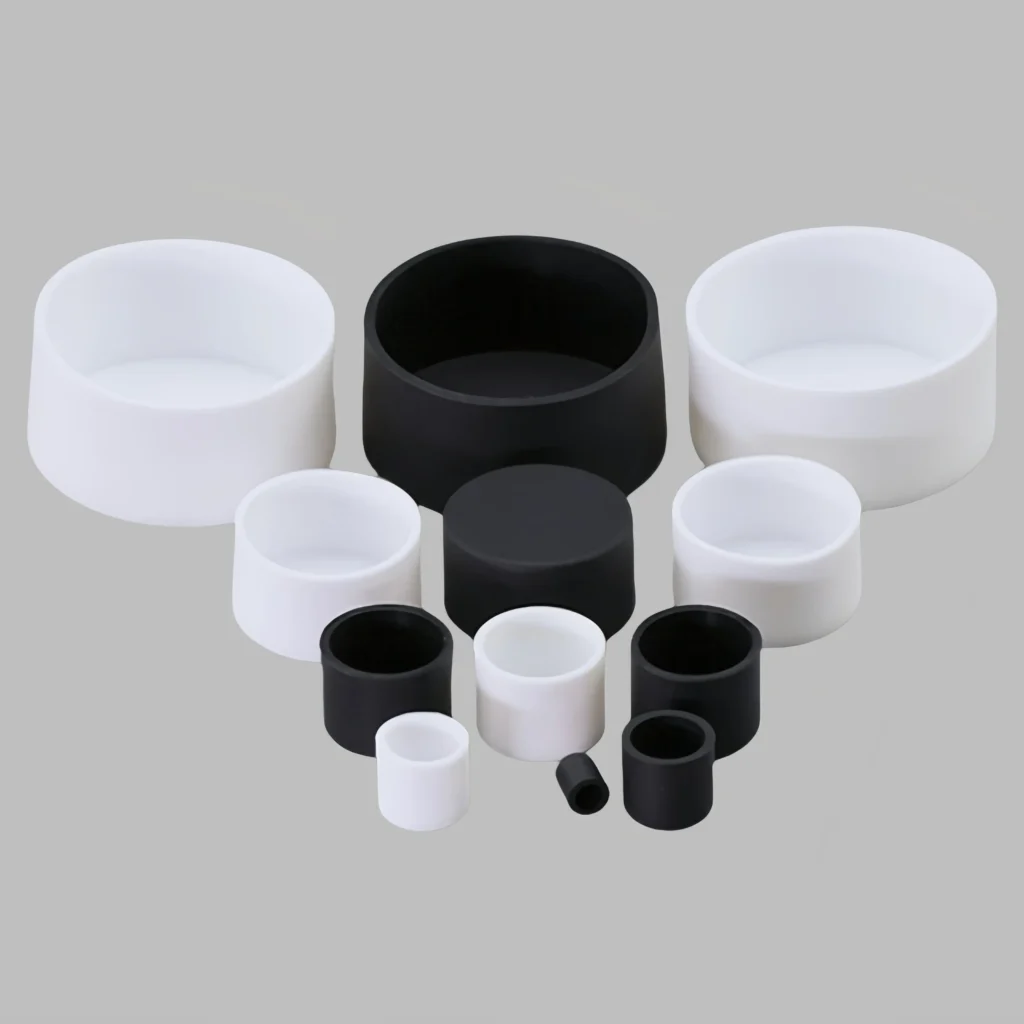
Underestimating the Value of Ongoing Quality Control
Initial samples may meet all requirements, but production consistency is just as important. Many businesses assume that once a mold is validated, every part afterward will be identical. In reality, variables like resin batches, ambient temperature, and machine calibration can affect outcomes. Ongoing quality control—including in-process inspection, batch testing, and traceability—should be standard practice for any injection molding service. Clients should request documentation and understand what quality systems are in place. Don’t wait for defects to show up in customer hands before taking quality seriously.
Working Smart with an Injection Molding Service for Long-Term Success
Injection molding can be one of the most efficient and cost-effective ways to bring your product to market—if done right. By avoiding these common mistakes, businesses can ensure better product quality, lower costs, and smoother collaboration with their injection molding service provider. It all comes down to planning, communication, and choosing a partner who values precision as much as you do. With the right approach, your next injection molding project can be a true competitive advantage.