
- September 1, 2025
- Posted by: feinuojixie
- Category: Chain Guides News
No Comments
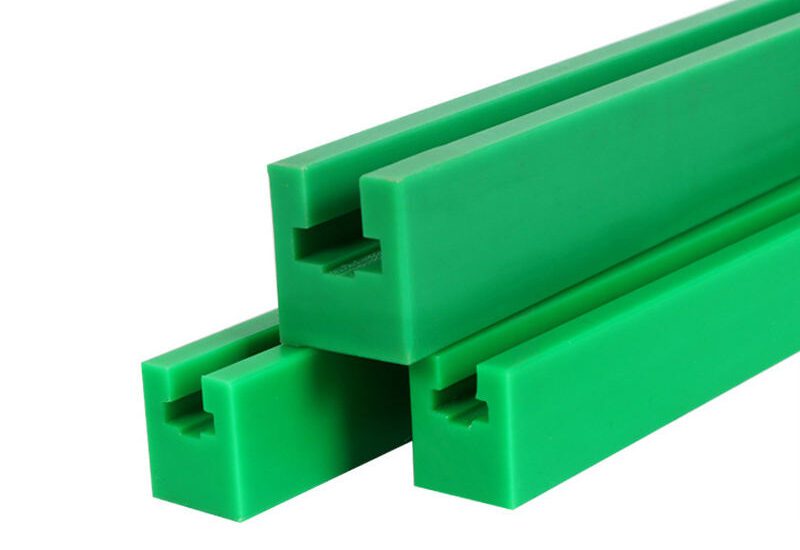
In recent years, plastic guide rail has emerged as a popular alternative in various industries, from manufacturing to furniture design. Its versatility and cost-effectiveness have made it a go-to choice for many applications. However, with its growing use comes a fair share of misconceptions. These myths often lead to hesitation or incorrect usage, preventing businesses and individuals from fully leveraging the benefits of plastic guide rail. This article aims to debunk seven of the most prevalent myths, shedding light on the real capabilities and limitations of this material.
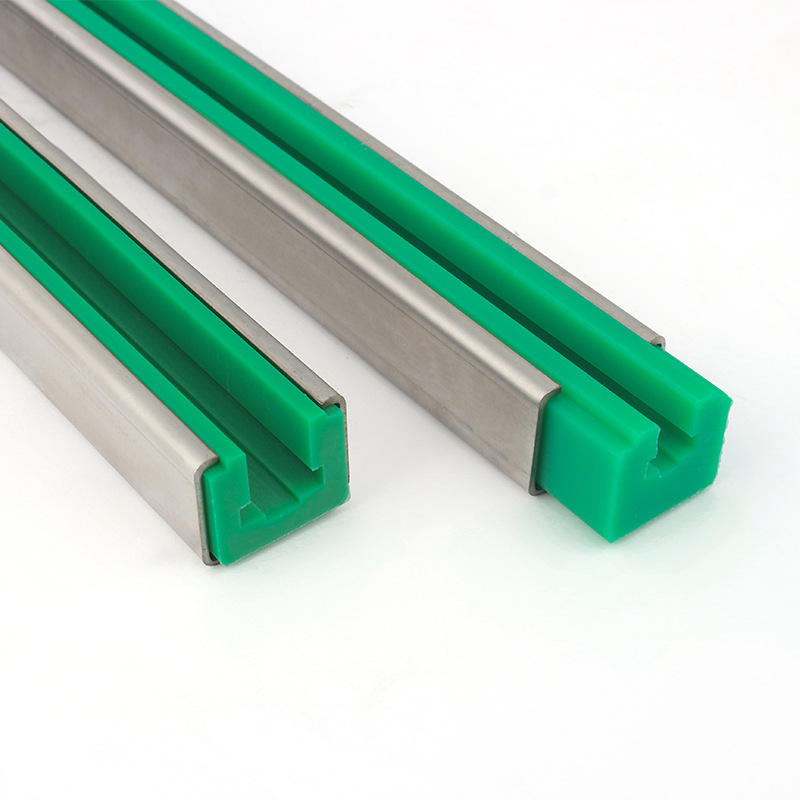
Plastic Guide Rail Is Too Weak for Heavy-Duty Use
One of the most widespread beliefs is that plastic guide rail lacks the strength to handle heavy loads or rigorous operations. Many assume that only metal guide rails can withstand the pressure of industrial machinery or frequent movement. In reality, modern plastic guide rail is engineered using high-performance polymers, such as nylon or acetal, which offer impressive tensile strength and impact resistance. These materials are designed to endure heavy weights and repeated use, making them suitable for applications like conveyor systems and automated equipment. Testing has shown that certain plastic guide rail models can match or even exceed the load-bearing capacity of traditional metal options in specific scenarios, especially when weight reduction is a priority.
Plastic Guide Rail Cannot Withstand Extreme Temperatures
Another common myth is that plastic guide rail will melt, crack, or lose its shape when exposed to high or low temperatures. This misconception stems from the idea that plastic is inherently sensitive to temperature fluctuations. While it’s true that some basic plastics may struggle in extreme conditions, specialized plastic guide rail is formulated to resist a wide range of temperatures. For example, certain types can operate efficiently in freezing environments as low as -40°F (-40°C) and in high-heat settings up to 250°F (121°C) or more. These heat-resistant and cold-resistant variants are commonly used in industries like food processing, where equipment may encounter extreme temperature variations during cleaning or operation.
Plastic Guide Rail Requires Constant Lubrication
Many people believe that plastic guide rail, like some metal components, needs regular lubrication to function smoothly and prevent wear. This assumption leads to unnecessary maintenance efforts and costs. In reality, most plastic guide rail is self-lubricating by nature. The polymers used in their construction have low friction coefficients, allowing them to glide smoothly without the need for additional lubricants. This feature is particularly advantageous in applications where lubricant contamination could be a problem, such as in the pharmaceutical or food industries. Even in long-term use, the self-lubricating properties of plastic guide rail remain effective, reducing maintenance requirements and extending the component’s lifespan.
Plastic Guide Rail Degrades Quickly in Outdoor Environments
A prevalent myth is that plastic guide rail is not suitable for outdoor use because it will quickly degrade due to exposure to sunlight, moisture, and other environmental factors. While it’s true that some plastics are prone to UV damage and hydrolysis, outdoor-grade plastic guide rail is specifically designed to resist these issues. Manufacturers add UV stabilizers and antioxidants to the polymer mixture, enabling the guide rail to withstand prolonged sun exposure without fading, becoming brittle, or losing structural integrity. Additionally, these specialized plastics are water-resistant, preventing moisture absorption that could lead to swelling or warping. Outdoor applications such as garden machinery, outdoor conveyor systems, and agricultural equipment often rely on these durable plastic guide rail options.
Plastic Guide Rail Is Not Compatible with Chemicals
There’s a common misconception that plastic guide rail will react negatively with chemicals, making it unsuitable for use in environments where solvents, oils, or cleaning agents are present. This belief overlooks the fact that different types of plastic guide rail are formulated to resist specific chemicals. For instance, polypropylene-based guide rails are highly resistant to many acids and alkalis, while fluoropolymer variants can withstand harsh solvents. By selecting the right type of plastic guide rail for the specific chemical environment, it can perform reliably without degradation. Industries such as chemical processing, automotive manufacturing, and industrial cleaning frequently use plastic guide rail in their equipment, proving its compatibility with various chemical substances.
Plastic Guide Rail Is More Expensive Than Metal Alternatives
Many assume that plastic guide rail is a costly option compared to traditional metal guide rails, but this is often not the case when considering the total cost of ownership. While the initial purchase price of some high-performance plastic guide rail may be similar to or slightly higher than metal, the long-term savings tell a different story. Plastic guide rail is lighter, reducing transportation and installation costs. Its self-lubricating properties lower maintenance expenses, as there’s no need for regular lubrication or replacement due to corrosion. Additionally, plastic is less prone to rust and wear, extending the service life and reducing the frequency of replacements. When all these factors are considered, plastic guide rail often proves to be a more cost-effective choice than metal in many applications.
Plastic Guide Rail Offers Limited Design Flexibility
Some believe that plastic guide rail can only be produced in basic shapes and sizes, limiting its use in custom or complex applications. This myth is far from the truth, as plastic guide rail offers exceptional design flexibility. The manufacturing processes for plastic, such as injection molding and extrusion, allow for intricate shapes, precise dimensions, and custom features to be incorporated seamlessly. Whether it’s a curved profile, a specific groove pattern, or a unique mounting configuration, plastic guide rail can be tailored to meet the exact requirements of a project. This flexibility makes it ideal for industries where custom components are necessary, such as in medical equipment, robotics, and specialized machinery, where standard metal guide rails may not fit or function as needed.

Embracing the Facts About Plastic Guide Rail
By debunking these seven myths, it’s clear that plastic guide rail is a versatile, durable, and cost-effective solution for a wide range of applications. Its strength, temperature resistance, self-lubricating properties, and design flexibility make it a viable alternative to traditional materials like metal. As technology continues to advance, the capabilities of plastic guide rail will only improve, further expanding its potential uses. Whether you’re in manufacturing, healthcare, agriculture, or any other industry, considering plastic guide rail for your next project could lead to enhanced performance, reduced costs, and increased efficiency. It’s time to put these myths aside and embrace the facts about this innovative component.