
- November 20, 2025
- Posted by: feinuojixie
- Category: Chain Guides News
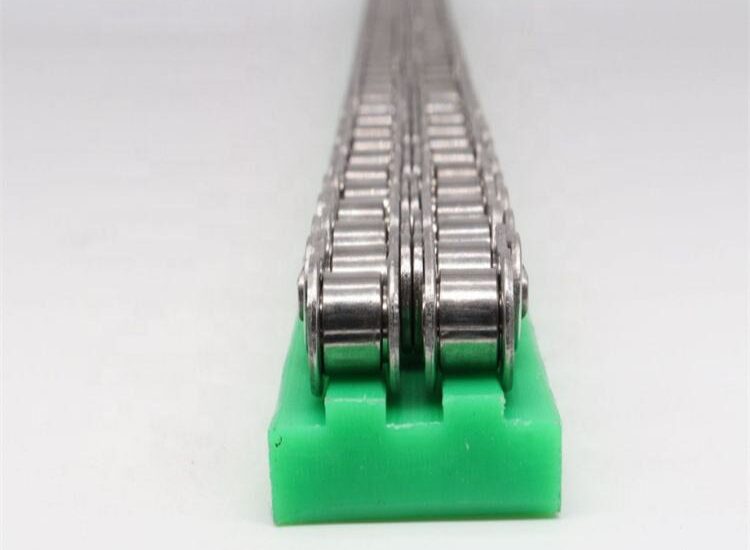
In today’s fast-evolving manufacturing landscape, efficiency, durability, and cost control are more critical than ever. This shift has sparked a growing transition from metal components to advanced engineered materials, and plastic guide rail is one of the clearest examples of this industry-wide change. Once seen as a lightweight alternative suitable only for less demanding applications, plastic guide rail has now proven itself capable of meeting — and often exceeding — the performance needs of modern conveyor systems and automated production lines.
The reasons behind this trend reach far beyond simple cost savings. Plastic guide rail delivers operational advantages that directly improve line speed, reduce noise, protect products, and streamline maintenance. As industries push for more sustainable and flexible solutions, plastic guide rail has emerged as a reliable, high-performing option that supports both productivity and long-term operational efficiency.
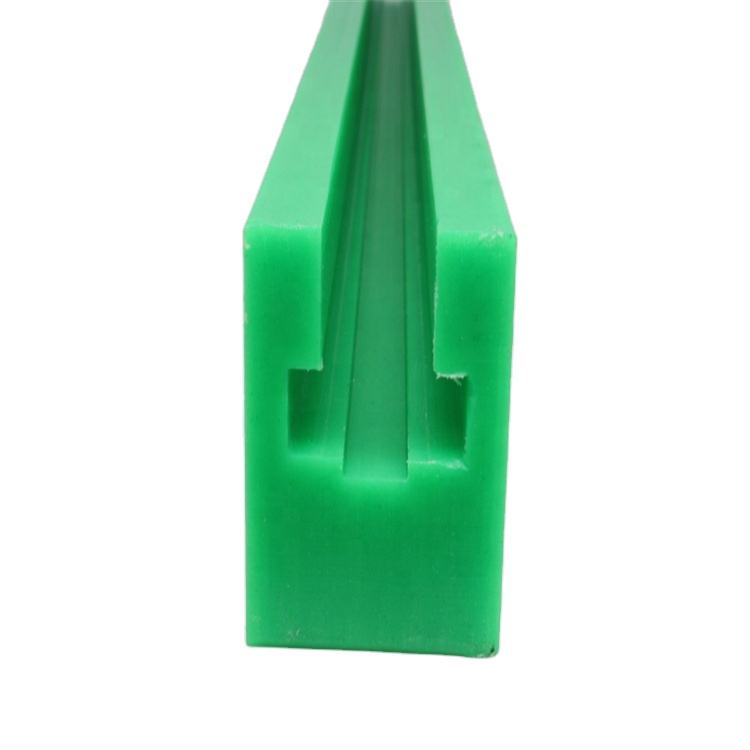
Lightweight Benefits of Plastic Guide Rail in High-Speed Operations
One of the most noticeable advantages of plastic guide rail is its lightweight construction. Because the material weighs significantly less than metal, installation becomes easier, faster, and safer for maintenance teams. The reduced weight also contributes to lower overall energy usage in conveyor systems, especially in applications requiring rapid acceleration or continuous high-speed movement. This makes plastic guide rail an ideal choice for industries where speed and efficiency directly impact productivity, such as food processing, packaging, and large-scale material handling.
Superior Noise Reduction with Plastic Guide Rail
Noise pollution is a growing concern in modern manufacturing environments. Metal rails often create clattering and vibration, especially when high volumes of products move through a line. Plastic guide rail, however, naturally absorbs vibration and reduces friction-generated noise. This leads to a noticeably quieter workspace, improving employee comfort and reducing the long-term strain on machinery. By minimizing operational noise, plastic guide rail helps companies meet workplace standards while maintaining a smoother, more controlled production flow.
Enhanced Wear Resistance and Low Friction Properties of Plastic Guide Rail
Advanced engineering plastics are designed with excellent wear resistance, making plastic guide rail ideal for high-contact, high-cycle applications. The material’s low friction surface reduces drag on moving products, which means less heat generation, fewer lubrication requirements, and minimal surface wear over time. This also contributes to longer conveyor lifespan and fewer unexpected maintenance interruptions. Manufacturers benefit not only from better operational stability but also from the reduced need to replace worn-out parts.
Corrosion and Chemical Resistance That Metal Alternatives Cannot Match
Metal components are prone to rust, corrosion, and chemical deterioration when exposed to moisture, acids, cleaning agents, or other harsh substances. Plastic guide rail eliminates these concerns entirely. Its resistance to corrosion and chemicals makes it particularly valuable in environments where sanitation is critical, such as beverage bottling, pharmaceutical packaging, and food processing. Even in highly humid or chemically aggressive settings, plastic guide rail maintains consistent performance and reliability.
Cost Efficiency of Plastic Guide Rail Throughout the Product Lifecycle
While the initial purchase price of plastic guide rail is often lower than metal, the long-term savings are even more significant. The lightweight design reduces shipping and installation costs. The enhanced wear resistance lowers repair frequency. The corrosion-free properties eliminate the need for coatings or anti-rust treatments. Additionally, reduced friction and vibration help drive down energy consumption. When all these factors are combined, plastic guide rail provides a highly cost-effective solution from installation through end-of-life.
Design Flexibility and Easy Customization with Plastic Guide Rail
Unlike metal alternatives, which often require complex machining or welding, plastic guide rail can be shaped, formed, and customized with ease. Manufacturers can produce smooth curves, precise dimensions, and specialized profiles to match unique conveyor layouts or product requirements. This flexibility simplifies the design of complex production lines and enables faster adaptation when changes are needed. Whether the application calls for tight turns, long straight runs, or specialized product handling, plastic guide rail offers a practical and customizable solution.
Improved Product Protection Using Plastic Guide Rail
Plastic guide rail provides a softer, smoother contact surface that minimizes the risk of product damage. This is especially beneficial for delicate or premium goods, where even minor scratches or dents can reduce product value. The gentle material reduces impact force, prevents surface abrasion, and minimizes product loss due to mishandling. In industries where quality control is paramount, plastic guide rail plays a vital role in maintaining product integrity throughout the manufacturing and packaging process.
Sustainability and Energy Efficiency Advantages of Plastic Guide Rail
Sustainability has become a major focus for forward-thinking companies, and plastic guide rail offers several environmental benefits. Many engineered plastics used for guide components are recyclable, supporting waste reduction initiatives. Their long service life means fewer replacements and less material consumption over time. Additionally, the lightweight and low-friction characteristics help reduce energy use in conveyor systems, contributing to more environmentally friendly operations.
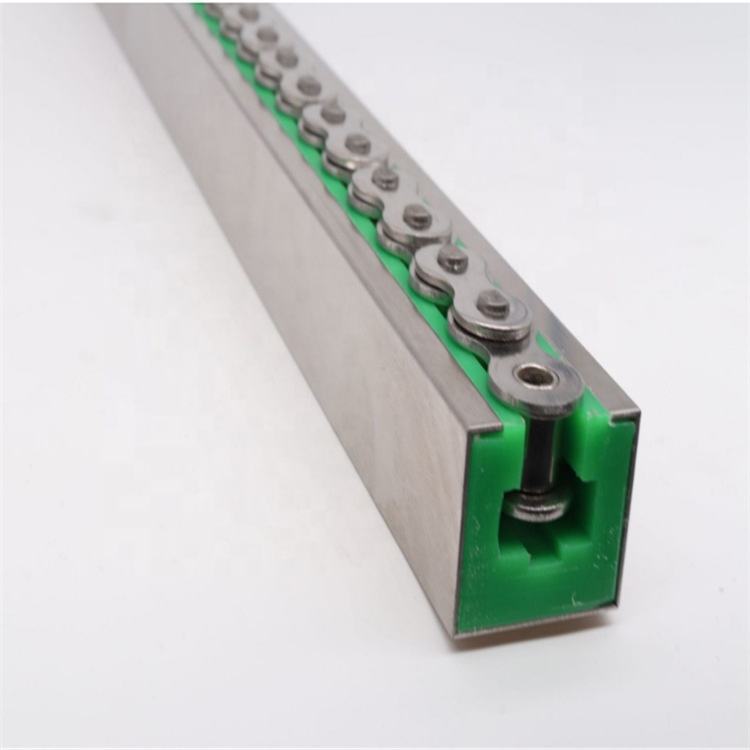
Why Plastic Guide Rail Is the Smarter Choice for Future-Ready Manufacturing
As production demands grow more complex and efficiency becomes the key competitive advantage, plastic guide rail stands out as a superior alternative to traditional metal components. Its lightweight construction, reduced noise, excellent wear resistance, and ability to withstand corrosion and chemicals make it an exceptional choice for a wide range of industries. Combined with cost savings, design flexibility, and sustainability benefits, plastic guide rail offers a future-ready solution that helps manufacturers optimize every stage of their operation.
By embracing plastic guide rail, companies position themselves to achieve smoother performance, better product quality, and greater long-term value—making it a smart investment for any modern manufacturing environment.