
- September 11, 2025
- Posted by: feinuojixie
- Category: Chain Guides News

In modern industrial operations, the smallest component can make the biggest difference. A chain guide wear strip, though often overlooked, plays a vital role in ensuring smooth chain movement and protecting machinery from premature wear. When production speed, safety, and cost-efficiency are on the line, upgrading to a high-quality chain guide wear strip is not just a choice but a smart investment.
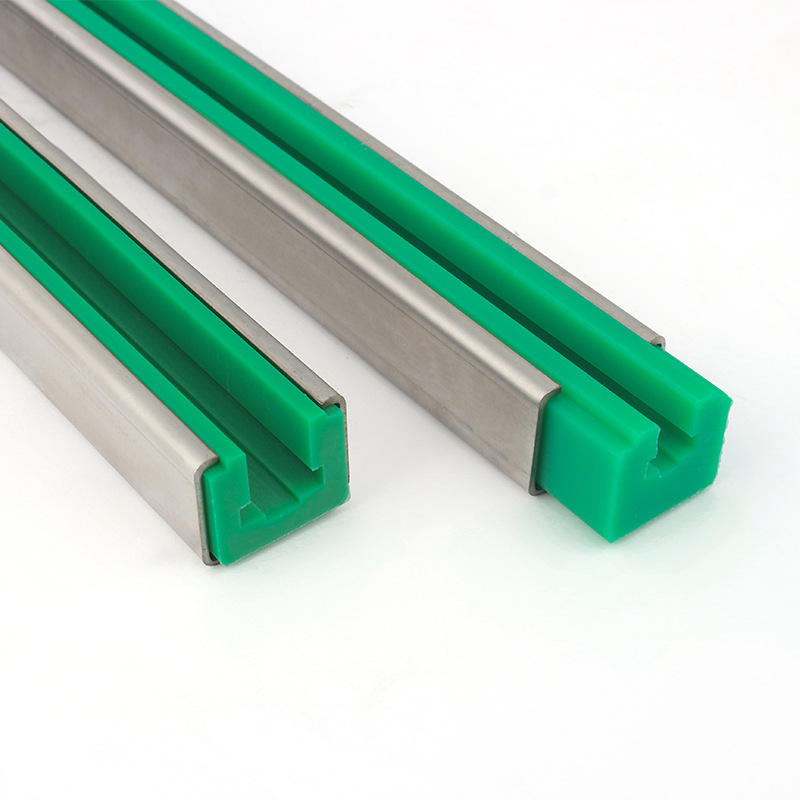
What is a Chain Guide Wear Strip?
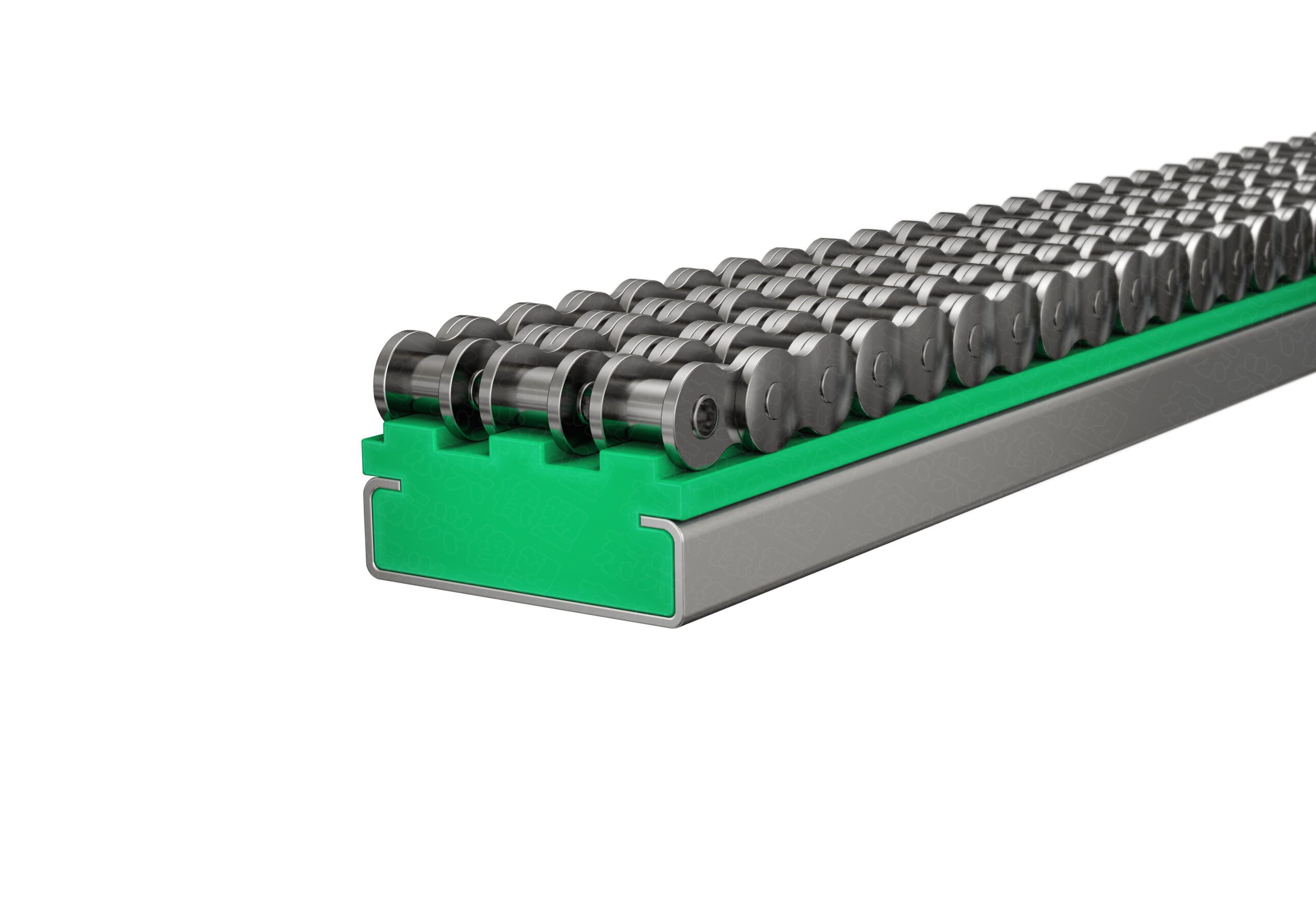
A chain guide wear strip is a protective component designed to support and guide chains as they move through conveyor or production systems. It serves as a barrier between the moving chain and the metal framework, preventing direct contact that can lead to damage and friction. This simple yet powerful component helps reduce energy consumption, noise, and mechanical stress. Commonly found in conveyor systems, food processing equipment, packaging lines, and manufacturing plants, the chain guide wear strip ensures smoother chain operation and extends the lifespan of critical equipment.
The Problem with Low-Quality Chain Guide Wear Strip
Choosing a low-grade chain guide wear strip often leads to problems that cost businesses both time and money. Inferior materials wear down quickly, forcing frequent replacements and causing unplanned downtime. The chain may also generate excessive noise and vibration, creating a stressful and unsafe work environment. Over time, these issues lead to higher maintenance expenses and reduced efficiency, cutting into profit margins and production reliability.
Benefit 1: Improved Durability and Longer Lifespan
One of the primary advantages of upgrading to a high-quality chain guide wear strip is durability. Made from advanced materials such as UHMW (Ultra High Molecular Weight Polyethylene) or high-performance nylon, these strips are engineered to withstand heavy loads and constant chain movement. Unlike cheaper alternatives that fail prematurely, a robust chain guide wear strip can operate for long periods without significant wear, reducing the frequency of replacements and ensuring consistent performance.
Benefit 2: Enhanced Operational Efficiency
A well-designed chain guide wear strip reduces friction between the chain and support structure, allowing smoother and faster movement. This improvement minimizes chain drag and energy loss, leading to greater productivity across production lines. The reduced friction also protects chains from unnecessary stress, ensuring they run at optimal speed and efficiency. For industries where every second counts, such as packaging or food processing, this benefit directly translates into higher output and more reliable operations.
Benefit 3: Lower Maintenance and Repair Costs
High-quality chain guide wear strip helps businesses cut down on maintenance efforts. With stronger resistance to abrasion and deformation, it is less likely to break or wear out under pressure. This means fewer stoppages for repair or part replacement. Over time, these savings accumulate, making the upgrade cost-effective. Instead of spending valuable resources on constant upkeep, companies can focus on improving productivity and meeting customer demand.
Benefit 4: Noise Reduction and Safer Work Environment
Operational noise is a common issue in facilities that rely heavily on chain-driven equipment. A poor-quality chain guide wear strip can make the problem worse by amplifying vibration and chain rattle. In contrast, a high-quality strip dampens noise by providing smoother contact surfaces and reducing vibration. The result is a quieter work environment, which not only protects workers’ hearing but also improves overall workplace safety and comfort. In industries where safety standards are strict, this benefit can be crucial.
Benefit 5: Versatility Across Industries
High-quality chain guide wear strip is highly adaptable and suitable for a wide range of industrial applications. In the food industry, for example, materials with FDA compliance ensure hygienic handling of products. In logistics and warehousing, heavy-duty wear strips support fast-moving conveyors under demanding loads. Automotive and packaging industries benefit from their strength and precision. This versatility demonstrates how a single upgrade can deliver universal value across multiple sectors, meeting both operational and regulatory standards.
How to Choose the Right Chain Guide Wear Strip
Not all wear strips are created equal, so choosing the right one requires careful consideration. Material selection is critical: UHMW is ideal for high-wear environments, while nylon may be better for lightweight, high-speed chains. Load capacity, environmental conditions, and chain type should also guide the decision. It is equally important to partner with a trusted supplier that offers consistent quality and technical support. By selecting the correct chain guide wear strip, businesses can maximize performance and reduce risks.
Conclusion
Upgrading to a high-quality chain guide wear strip is more than just replacing a part — it is an investment in durability, efficiency, safety, and long-term cost savings. From extending equipment lifespan to creating a quieter and safer workplace, the benefits are clear and measurable. Businesses that prioritize quality in this small but essential component will enjoy smoother operations and stronger returns on investment. When it comes to production reliability, the right chain guide wear strip makes all the difference.