
- November 24, 2025
- Posted by: feinuojixie
- Category: Injection Molding News

In recent years, more manufacturers have begun replacing metal wear components with advanced plastic wear strip, marking a major shift in how motion systems are designed and maintained. This transition is driven by the growing need for quieter operation, smoother movement, reduced maintenance, and improved cost efficiency—factors that metal parts often struggle to deliver. Plastic materials such as UHMW-PE, HDPE, and engineered polymer blends offer exceptional performance with lower friction, greater chemical resistance, and better operational versatility. As a result, industries ranging from logistics to packaging, food processing, automotive, and electronics now rely on plastic wear strip to ensure more efficient, reliable, and modern production lines.
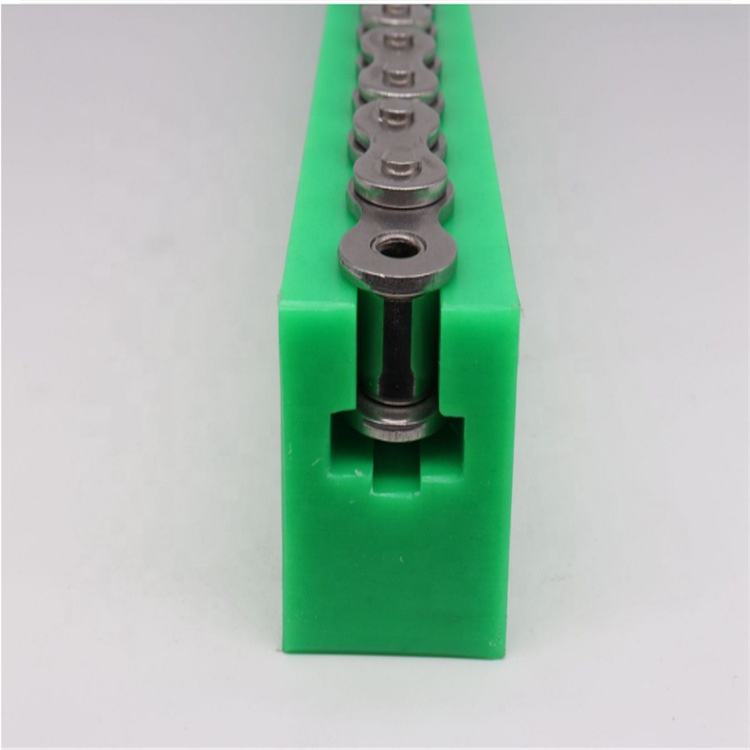
Plastic Wear Strip Offer Superior Wear Resistance and Longer Service Life
One of the strongest advantages of plastic wear strip is its exceptional resistance to abrasion. Unlike metal, which can wear down quickly when exposed to constant sliding or repeated impact, engineered plastics maintain their surface integrity for far longer. Materials like UHMW-PE are specifically formulated to endure continuous friction without developing grooves or sharp edges. This extended durability means fewer replacements, less downtime, and better long-term performance for conveyor and automation systems.
Plastic Wear Strip Reduce Noise and Vibration in Conveyor and Automation Systems
Metal components tend to generate loud clattering or scraping during machine operation, especially at high speeds. Plastic wear strip dramatically reduce these issues because they naturally cushion impact and absorb vibration. Their low-friction surface also allows products or machine parts to slide smoothly, resulting in noticeably quieter lines. For factories that prioritize worker comfort, safety, and noise regulation compliance, this benefit alone is often enough to justify switching from metal.
Plastic Wear Strip Improve Energy Efficiency Through Lower Friction
Another key benefit is the reduced energy consumption achieved through low friction. Plastic wear strip require less force to move components, belts, or chains, meaning motors do not need to work as hard. Over thousands of operating hours, even small reductions in friction can translate into substantial savings on electricity. This makes plastic wear strip a smart choice for facilities aiming to boost sustainability and reduce operating costs.
Plastic Wear Strip Are Corrosion-Free and Ideal for Harsh or Hygienic Environments
Metal options struggle in environments with moisture, chemical exposure, or strict hygiene requirements. Plastic wear strip naturally resist corrosion, eliminating the risk of rust formation or surface degradation. This property makes them particularly valuable in food processing plants, pharmaceutical manufacturing, and chemical facilities where cleanliness and reliability are essential. They tolerate frequent washdowns, water contact, and chemical sanitizers without losing structural integrity.
Plastic Wear Strip Enable Easier Installation and Maintenance
The lightweight nature of plastic wear strip greatly simplifies installation and daily maintenance. They are easier to cut, drill, bend, and machine compared with metal components, which often require specialized tools. This reduces labor intensity and shortens installation time. In addition, plastic materials often require no lubrication, further minimizing maintenance efforts while keeping work areas cleaner.
Plastic Wear Strip Reduce Overall Operational Costs
From longer wear life to easier handling, the cost benefits of plastic wear strip are significant. Their ability to reduce equipment wear, prevent expensive downtime, extend maintenance intervals, and decrease energy consumption results in substantial savings over time. Although the initial cost of some plastic materials may be higher than basic metals, the total cost of ownership is almost always lower.
Plastic Wear Strip Support Higher System Reliability and Consistent Performance
Modern high-speed systems rely on stable, predictable motion. Plastic wear strip offer consistent dimensional stability and smoother operating behavior, allowing conveyors and automation lines to maintain their performance even under demanding conditions. Their resistance to wear and deformation helps ensure reliable operation, resulting in fewer disruptions and more accurate product handling.
Applications Where Plastic Wear Strip Outperform Metal Options
Plastic wear strip are now commonly used across a wide range of industries. In conveyor systems, they serve as guide surfaces for chains, belts, and rollers. In packaging equipment, they help ensure smooth product transfer without scratching or damaging materials. Robotics systems rely on them to support repetitive motion without generating excessive heat or friction. Automotive assembly lines benefit from their durability and noise reduction. Even warehouse automation and logistics systems increasingly depend on plastic solutions to maintain speed and efficiency.
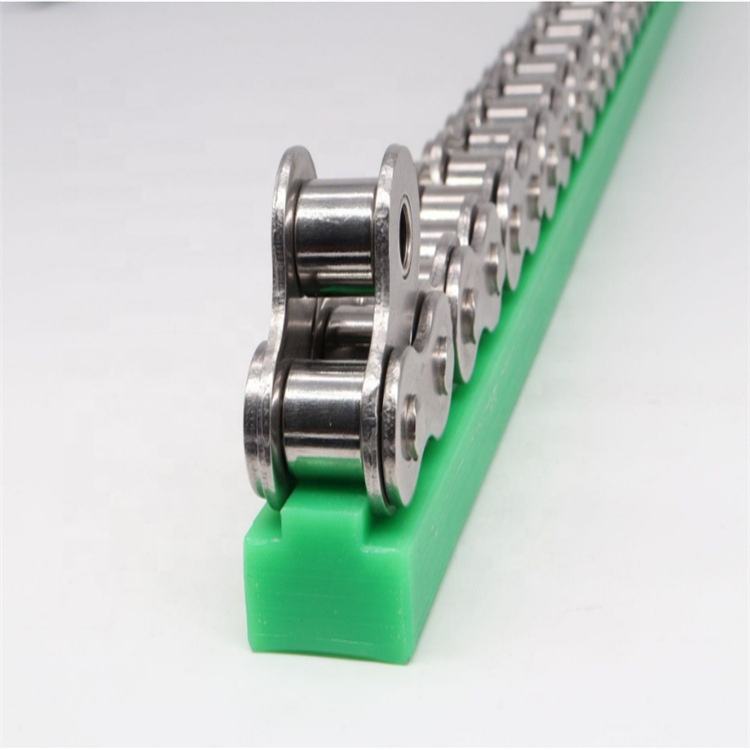
How to Choose the Right Plastic Wear Strip for Your System
Selecting the correct plastic wear strip requires consideration of several factors, including load capacity, operating speed, temperature, chemical exposure, and environmental conditions. Different polymer materials offer unique advantages: UHMW-PE excels in low friction, HDPE offers strong impact resistance, and engineered blends provide enhanced heat or chemical tolerance. Understanding system requirements ensures that the chosen material delivers maximum lifespan and performance.
Why Plastic Wear Strip Are the Future of Industrial Motion
Plastic wear strip have quickly become a preferred alternative to traditional metal components thanks to their superior wear resistance, noise reduction, corrosion immunity, and energy-saving properties. Their ability to simplify maintenance, lower costs, and improve system reliability makes them an essential part of modern conveyor and automation design. As industries continue to pursue higher efficiency and more sustainable operations, plastic wear strip will play an even greater role in shaping the future of industrial motion systems.