
- December 22, 2025
- Posted by: feinuojixie
- Category: Chain Guides News
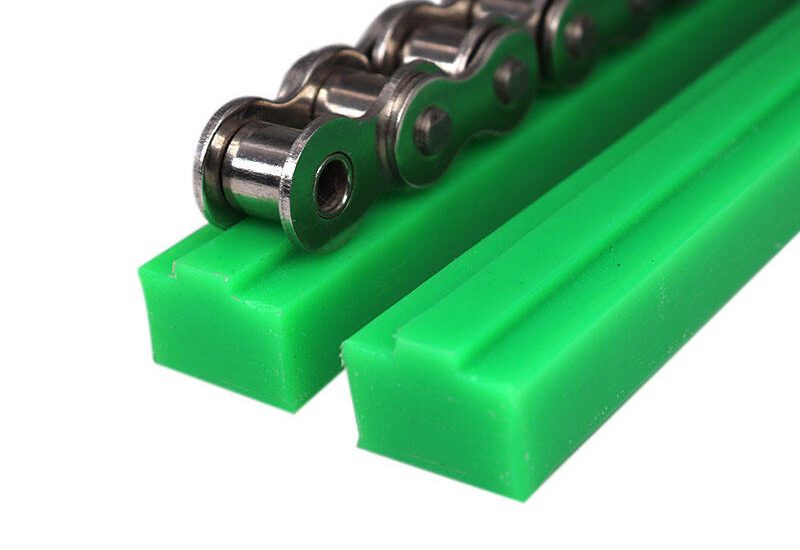
Chain guides for roller chain play a critical role in ensuring smooth, stable, and reliable power transmission across a wide range of industrial applications. While they may appear to be simple components, their design directly influences how effectively a roller chain operates under load, speed, and environmental stress. Poorly designed guides can lead to excessive wear, increased noise, frequent maintenance, and even unexpected equipment failure.
A well-engineered design allows chain guides for roller chain to control chain motion with precision, minimize friction, and protect both the chain and surrounding components. Factors such as material composition, guide geometry, surface finish, and structural strength all work together to determine overall system performance. When these design elements are carefully optimized, they help extend equipment life, improve operational efficiency, and reduce downtime.
Understanding which design features truly matter enables engineers, maintenance teams, and buyers to make informed decisions. By focusing on performance-driven design rather than appearance or cost alone, businesses can ensure that their chain guides for roller chain deliver consistent, long-term value in even the most demanding operating conditions.
Understanding the Function of Chain Guides for Roller Chain in Modern Machinery
Chain guides for roller chain are designed to control and support chain movement as it travels through a mechanical system. Their primary function is to maintain proper chain alignment, preventing lateral movement that can lead to vibration, noise, and uneven wear. By keeping the roller chain on a stable path, these guides help ensure consistent power transmission and smoother operation.
In modern machinery, where systems often operate at higher speeds and under continuous load, stability becomes even more critical. Chain guides for roller chain absorb minor misalignments and dynamic forces that would otherwise transfer directly to the chain and sprocket. This controlled guidance reduces stress on key components and helps maintain predictable performance over long operating cycles.
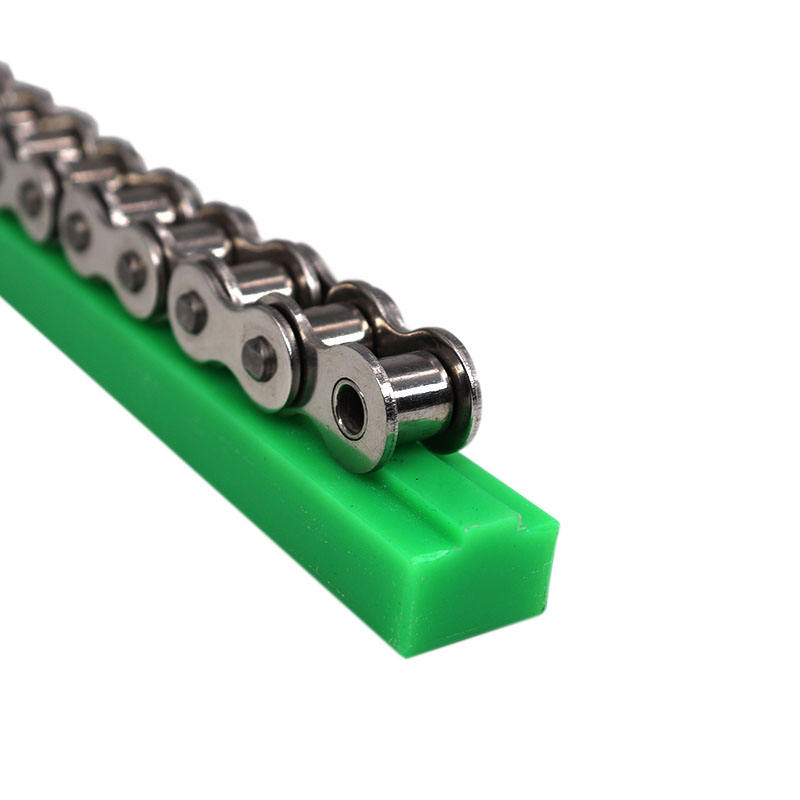
Material Selection: The Foundation of High-Performance Chain Guides for Roller Chain
Material choice is one of the most important design features in chain guides for roller chain because it directly affects friction, durability, and environmental resistance. The right material allows the guide to perform reliably while minimizing wear on the roller chain itself.
Low-Friction Materials for Smooth Roller Chain Movement
Low-friction materials enable the roller chain to move smoothly along the guide surface with minimal resistance. Reduced friction improves energy efficiency and lowers operating temperatures, which is especially important in high-speed or continuous-duty applications. Smooth sliding contact also minimizes surface wear, extending the service life of both the guide and the chain.
Wear-Resistant Materials for Long-Term Reliability
Wear resistance is essential for chain guides for roller chain that operate under constant load or abrasive conditions. Durable materials maintain their shape and surface integrity over time, ensuring consistent guidance even after prolonged use. This stability reduces the need for frequent replacement and helps keep maintenance schedules predictable.
Chemical and Moisture Resistance in Harsh Environments
In environments exposed to oil, chemicals, moisture, or dust, material resistance becomes a key design consideration. Chain guides for roller chain made from chemically stable materials resist degradation and swelling, maintaining performance even in challenging industrial settings.
Precision Geometry and Profile Design in Chain Guides for Roller Chain
Beyond material selection, the physical shape of chain guides for roller chain plays a major role in performance. Precision geometry ensures that the roller chain remains properly aligned throughout its travel path.
Optimized Guide Channel Shape for Stable Roller Chain Tracking
A well-designed guide channel supports the roller chain evenly and prevents side loading. Proper channel geometry keeps the chain centered, reducing uneven wear and minimizing the risk of derailment. This is particularly important in curved or angled guide paths where alignment forces are more complex.
Tolerance Control for Consistent Performance
Tight manufacturing tolerances allow chain guides for roller chain to deliver consistent performance across multiple installations. Accurate dimensions ensure reliable fit and predictable interaction with the roller chain, which helps maintain smooth motion and reduces unexpected operational issues.
Noise and Vibration Reduction Features in Chain Guides for Roller Chain
Noise and vibration are common challenges in roller chain systems, especially at higher speeds. Thoughtful design features can significantly reduce these issues.
Impact-Dampening Design Elements
Impact-dampening features help absorb shock loads caused by chain engagement, speed changes, or directional shifts. By reducing sudden impacts, chain guides for roller chain protect both the chain and the surrounding mechanical components from excessive stress.
Smooth Contact Surfaces for Quieter Operation
Carefully finished contact surfaces minimize friction-induced noise as the roller chain moves along the guide. Smooth surfaces also reduce vibration, creating a quieter and more stable operating environment that benefits both equipment and operators.
Load Capacity and Structural Strength of Chain Guides for Roller Chain
Chain guides for roller chain must be able to withstand the mechanical loads generated during operation without deformation or failure. Structural strength is a critical design feature in demanding applications.
Reinforced Design for High-Tension Applications
In high-tension systems, reinforced design elements provide additional support and stability. Strong internal structure allows the guide to maintain its shape and function even under heavy load, ensuring continuous and reliable guidance.
Resistance to Deformation Over Time
A robust design helps chain guides for roller chain resist bending, warping, or fatigue. Dimensional stability over time ensures consistent alignment and reduces the likelihood of performance degradation as the system ages.
Thermal Stability in Chain Guides for Roller Chain
Temperature changes can affect material behavior and dimensional accuracy. Thermal stability is therefore an important design consideration.
Performance Consistency in High-Temperature Conditions
Chain guides for roller chain designed for thermal stability maintain their mechanical properties even in elevated temperatures. This consistency prevents softening or excessive wear that could compromise system reliability.
Dimensional Stability Under Thermal Expansion
Controlled thermal expansion helps preserve proper alignment between the guide and the roller chain. Stable dimensions reduce the risk of binding or misalignment during temperature fluctuations.
Ease of Installation and Maintenance in Chain Guides for Roller Chain
Design features that simplify installation and maintenance add significant practical value to chain guides for roller chain.
Modular and Customizable Design Options
Modular designs allow chain guides for roller chain to be adapted to different layouts and operating conditions. Customizable options make it easier to integrate guides into existing systems without extensive modification.
Maintenance-Friendly Features That Save Time
Easy-access mounting points and replaceable wear surfaces reduce maintenance time and downtime. A maintenance-friendly design helps operators keep systems running efficiently with minimal disruption.
Safety-Oriented Design Features in Chain Guides for Roller Chain
Safety is an essential consideration in industrial environments, and guide design plays a direct role in protecting both equipment and personnel.
Chain Retention and Anti-Derailment Features
Properly designed chain guides for roller chain prevent unexpected chain movement and derailment. Secure chain retention improves operational stability and reduces the risk of sudden system failure.
Reduced Risk of Equipment Damage and Operator Injury
By controlling chain motion and minimizing vibration, well-designed guides help protect nearby components and lower the risk of injury caused by mechanical malfunction.
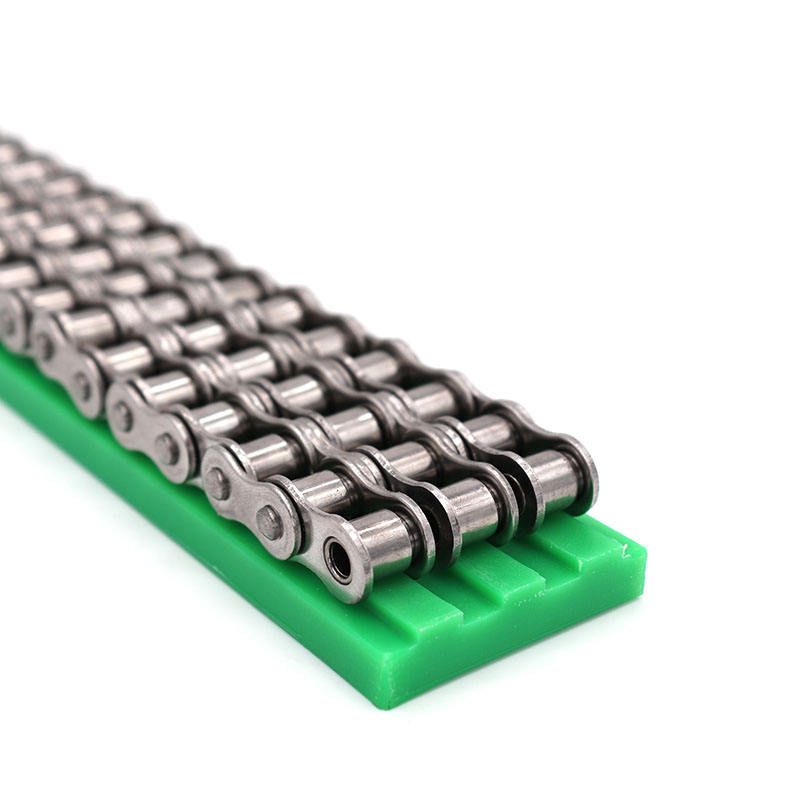
Customization and Application-Specific Design in Chain Guides for Roller Chain
Different industries and applications place unique demands on chain guides for roller chain. Custom design features ensure optimal performance under specific conditions.
Adapting Design for Speed, Load, and Environment
Tailoring design features to match operating speed, load requirements, and environmental factors allows chain guides for roller chain to deliver maximum efficiency and reliability in specialized applications.
Choosing Chain Guides for Roller Chain Based on Smart Design
Selecting chain guides for roller chain based on thoughtful design features is essential for achieving long-term system performance. Material quality, precision geometry, structural strength, noise reduction, thermal stability, and maintenance-friendly design all contribute to smoother operation and extended service life.
By focusing on these critical design elements, engineers and decision-makers can reduce downtime, improve safety, and protect valuable equipment. Investing in well-designed chain guides for roller chain is not just a component choice, but a strategic decision that supports efficiency, reliability, and operational success.