
- December 17, 2025
- Posted by: feinuojixie
- Category: Chain Guides News
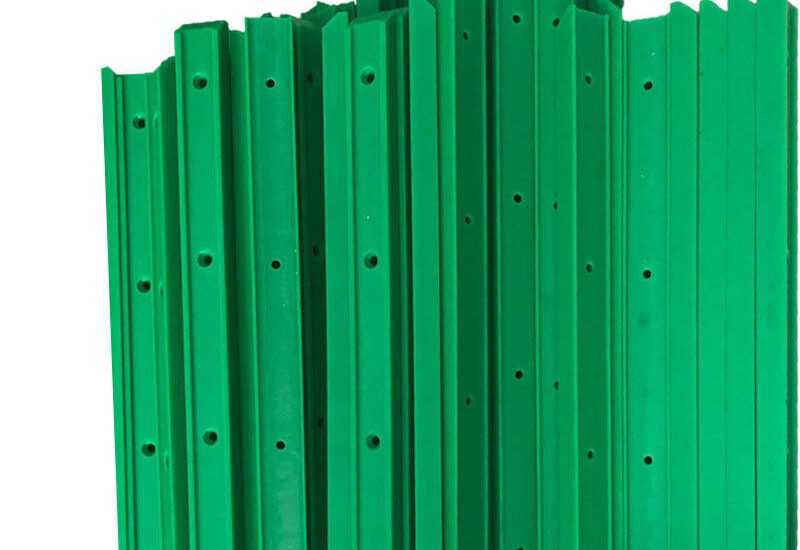
As production lines become faster, smarter, and more automated, even the smallest components are being reimagined for higher performance. The Plastic Guide is no longer a basic accessory used only to support movement or alignment. In 2025, Plastic Guide design reflects major advancements in material science, engineering precision, and sustainability. Manufacturers now recognize that an optimized Plastic Guide can improve efficiency, reduce downtime, and directly impact overall system reliability.
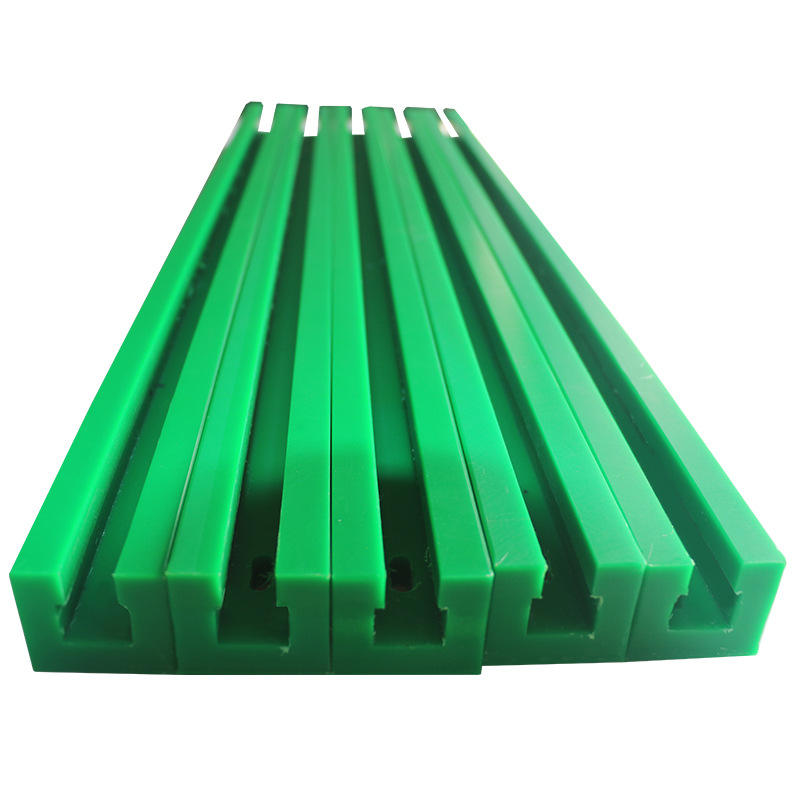
The Evolution of Plastic Guide Technology in Modern Manufacturing
Traditionally, a Plastic Guide was selected mainly for its shape and basic material compatibility. Today, design engineers approach Plastic Guide selection as a strategic decision. Modern Plastic Guide solutions are engineered with precise tolerances, application-specific geometries, and performance-enhancing features. This evolution allows the Plastic Guide to support higher speeds, heavier loads, and more complex production environments without sacrificing stability or accuracy.
Advanced Material Innovation Redefining Plastic Guide Performance
One of the most significant innovations in Plastic Guide design is the development of advanced polymer materials. High-performance plastics now offer improved strength-to-weight ratios, exceptional chemical resistance, and greater dimensional stability. These material advancements allow a Plastic Guide to outperform traditional metal alternatives in corrosive, high-humidity, or washdown environments while maintaining long service life.
Low-Friction Surface Engineering in Plastic Guide Design
Reducing friction remains a top priority in Plastic Guide innovation. Modern designs incorporate self-lubricating materials and engineered surface textures that minimize resistance without external lubrication. This advancement not only improves motion smoothness but also reduces energy consumption and maintenance needs. A low-friction Plastic Guide helps production equipment operate more efficiently while protecting mating components from premature wear.
High-Wear Resistance Plastic Guide for Demanding Environments
In 2025, Plastic Guide design places strong emphasis on wear resistance for high-load and continuous-operation applications. Reinforced polymers and optimized contact surfaces allow the Plastic Guide to maintain performance under constant stress. These innovations extend replacement intervals and ensure consistent alignment even in demanding environments such as conveyor systems, packaging lines, and heavy-duty automation.
Noise Reduction Breakthroughs Through Plastic Guide Innovation
Noise control has become a key focus in Plastic Guide development. Innovative material blends and vibration-dampening geometries significantly reduce operational noise compared to metal components. A well-designed Plastic Guide absorbs impact and minimizes resonance, creating a quieter and more comfortable working environment while still delivering reliable mechanical performance.
Smart Plastic Guide Integration in Automated Production Lines
As factories move toward smart manufacturing, Plastic Guide design is evolving to support advanced automation. Modern Plastic Guide solutions are engineered for seamless integration with sensors, robotic systems, and precision-driven equipment. Improved consistency and stability ensure accurate positioning, which is critical for automated processes that rely on repeatability and data-driven control.
Sustainable and Eco-Friendly Plastic Guide Design Trends
Sustainability is shaping the future of Plastic Guide innovation. Manufacturers are adopting recyclable materials, bio-based polymers, and energy-efficient production methods. These eco-conscious design choices allow companies to reduce environmental impact without compromising durability or performance. A sustainable Plastic Guide supports both operational goals and corporate responsibility initiatives.
Modular and Customizable Plastic Guide Solutions
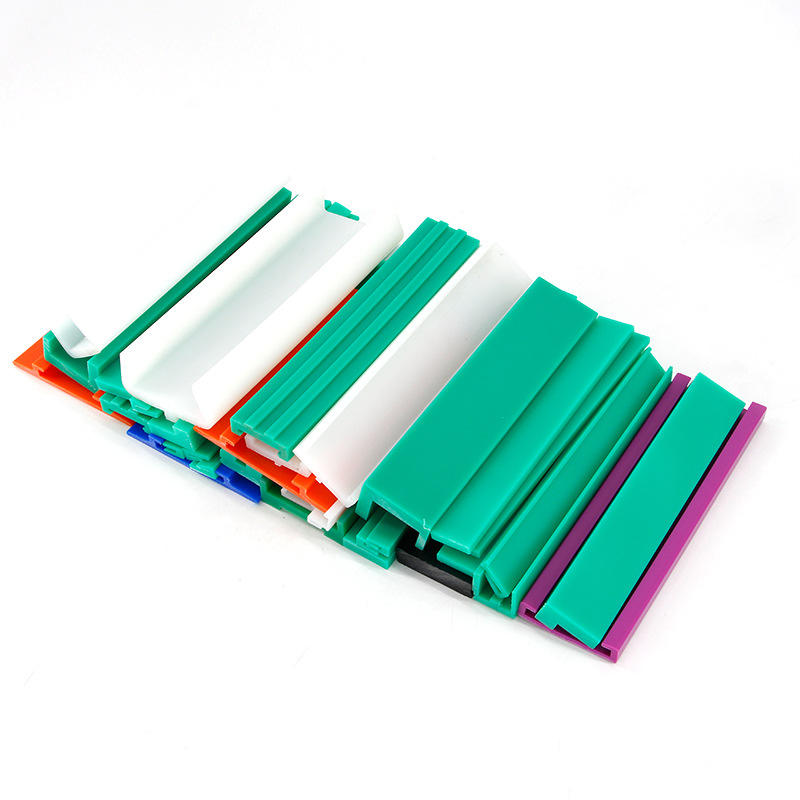
Customization is another major trend in Plastic Guide design. Modular systems allow easy adaptation to different production layouts, while application-specific profiles improve performance for unique requirements. This flexibility reduces installation time, simplifies maintenance, and allows manufacturers to fine-tune their Plastic Guide solution for maximum efficiency.
How These Plastic Guide Innovations Impact Total Cost of Ownership
Innovative Plastic Guide design directly influences total cost of ownership. Improved durability reduces replacement frequency, low-friction surfaces lower energy usage, and advanced materials minimize downtime. When viewed over the full lifecycle, a high-quality Plastic Guide delivers measurable cost savings while enhancing overall equipment performance.
What These Plastic Guide Innovations Mean for the Future
In 2025, the Plastic Guide has become a critical component in modern manufacturing systems. Design innovations are transforming it into a high-performance solution that supports efficiency, sustainability, and automation. By understanding and adopting these Plastic Guide advancements, manufacturers can future-proof their operations and gain a competitive edge in an increasingly demanding industrial landscape.