
- August 26, 2025
- Posted by: feinuojixie
- Category: Chain Guides News
No Comments
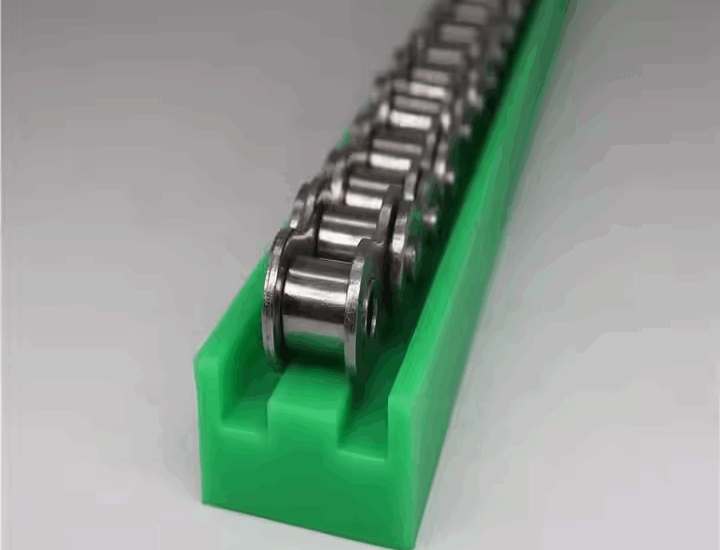
In the intricate world of industrial machinery, chain guides play a crucial role in ensuring smooth operation and longevity. They reduce friction, prevent chain derailment, and contribute significantly to the overall efficiency of the system. As technology evolves, the choice of material for chain guides has become a topic of intense scrutiny. This article delves into the comparison between UHMW chain guides and traditional materials, focusing on their wear resistance capabilities.

Understanding UHMW Chain Guides
What is UHMW?
Ultra-High Molecular Weight (UHMW) polyethylene is a thermoplastic with an extremely high molecular weight. Its unique molecular structure endows it with exceptional properties, making it an ideal material for various industrial applications, especially chain guides.
Key Properties of UHMW
- Low Friction Coefficient: UHMW has a very low coefficient of friction, which means chains glide smoothly over it, reducing energy consumption and wear.
- High Impact Resistance: It can withstand significant impacts without cracking or breaking, ensuring durability in harsh operating conditions.
- Chemical Resistance: UHMW is resistant to a wide range of chemicals, protecting it from degradation caused by exposure to various substances.
How UHMW is Used in Chain Guides
UHMW chain guides are designed to provide a smooth and stable surface for chains to run on. Their low friction and high wear resistance properties minimize chain wear, extending the lifespan of both the chain and the guide itself.
Traditional Materials for Chain Guides
Common Traditional Materials
Traditional chain guides are often made from materials such as nylon, acetal, and metal. Each of these materials has its own set of characteristics and limitations when it comes to wear resistance.
- Nylon: Known for its good mechanical properties and relatively low cost, nylon has some level of wear resistance but can be affected by moisture and high temperatures.
- Acetal: Acetal offers better dimensional stability and wear resistance compared to nylon, but it may still face challenges in high-load or high-speed applications.
- Metal: Metal chain guides, like those made of steel, are very strong and durable but have high friction, which can lead to increased energy consumption and accelerated wear of the chain.
Limitations of Traditional Materials
Traditional materials generally struggle to balance multiple properties simultaneously. For example, while some may have decent strength, they lack in low-friction characteristics, or vice versa. This often results in higher maintenance costs and shorter operational lifespans.
Wear Resistance: A Comparative Analysis
Testing Methods
To accurately compare the wear resistance of UHMW chain guides and traditional materials, various testing methods are employed. These include abrasion testing, where the materials are subjected to simulated wear conditions, and long-term operational testing in real-world machinery setups.
Results and Findings
- Abrasion Resistance: UHMW consistently outperforms traditional materials in abrasion tests. Its smooth surface and molecular structure make it highly resistant to scratching and material loss caused by friction.
- Long-Term Performance: In long-term operational tests, UHMW chain guides show minimal wear even after extended use, while traditional materials may experience significant degradation, leading to chain misalignment and potential system failures.
Factors Affecting Wear Resistance
Several factors impact the wear resistance of chain guide materials, such as operating temperature, load intensity, and the type of chain used. UHMW’s ability to maintain its properties across a wide range of these factors gives it a distinct advantage over traditional materials.
Benefits of UHMW Chain Guides Beyond Wear Resistance
Cost-Effectiveness
Although UHMW chain guides may have a higher initial cost compared to some traditional materials, their superior wear resistance reduces the frequency of replacements and maintenance, resulting in long-term cost savings.
Energy Efficiency
The low friction coefficient of UHMW reduces the energy required for chains to operate, contributing to overall energy savings in machinery systems.
Environmental Friendliness
UHMW is a recyclable material, making it a more environmentally friendly choice compared to some traditional materials that may end up in landfills after disposal.

Real-World Applications of UHMW Chain Guides
Industrial Machinery
In manufacturing plants, UHMW chain guides are used in conveyor systems, assembly lines, and packaging machinery. Their wear resistance ensures continuous and reliable operation, minimizing downtime.
Mining Equipment
In the harsh environment of mining operations, where equipment is subjected to heavy loads and abrasive materials, UHMW chain guides provide the durability needed to withstand extreme conditions.
Automotive Industry
In automotive manufacturing, UHMW chain guides are employed in engine timing chains and other critical components, enhancing performance and reducing maintenance requirements.
UHMW Chain Guides – The Future of Wear-Resistant Solutions
In conclusion, when it comes to wear resistance, UHMW chain guides clearly outshine traditional materials. Their unique combination of properties, including low friction, high impact resistance, and excellent chemical resistance, makes them the ideal choice for a wide range of industrial applications. As industries strive for increased efficiency, reduced costs, and improved sustainability, UHMW chain guides offer a solution that meets and exceeds these expectations. Whether it’s in heavy-duty machinery or precision manufacturing, the adoption of UHMW chain guides is a step towards a more reliable and durable future.