
- August 21, 2025
- Posted by: feinuojixie
- Category: Chain Guides News
No Comments
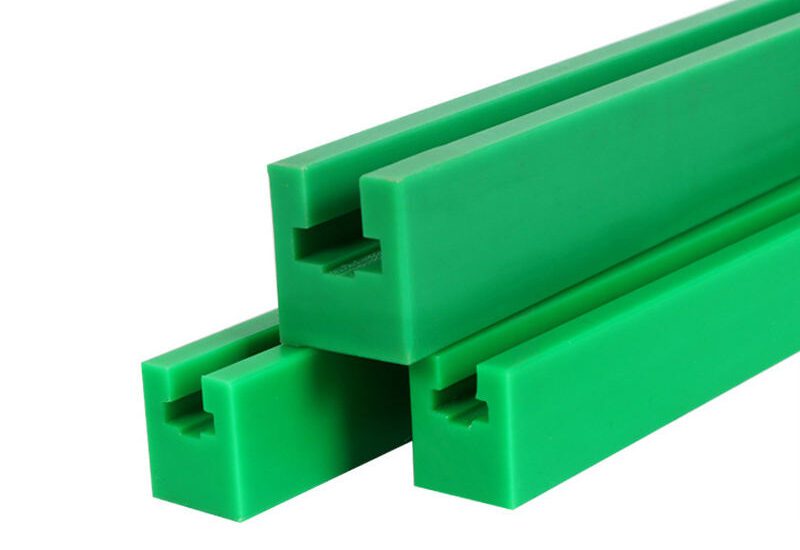
In the intricate world of industrial material handling, conveyor belt guides are the unsung heroes that keep operations running smoothly. A minor misalignment in a conveyor belt can lead to costly downtime, product damage, and safety hazards. For instance, in a large – scale packaging facility, a misaligned belt can disrupt the entire assembly line, causing delays in production and increasing labor costs to rectify the issue. Conveyor belt guides prevent such problems by ensuring the belt stays on its designated path, reducing wear and tear, and enhancing the overall efficiency of the conveyor system.
The purpose of this comprehensive guide is to equip you with the knowledge and insights needed to make informed decisions when selecting conveyor belt guides. Whether you’re in the manufacturing, logistics, or food processing industry, understanding the nuances of guide selection can significantly impact the performance and longevity of your conveyor systems.
Understanding Conveyor Belt Guides
What are Conveyor Belt Guides?
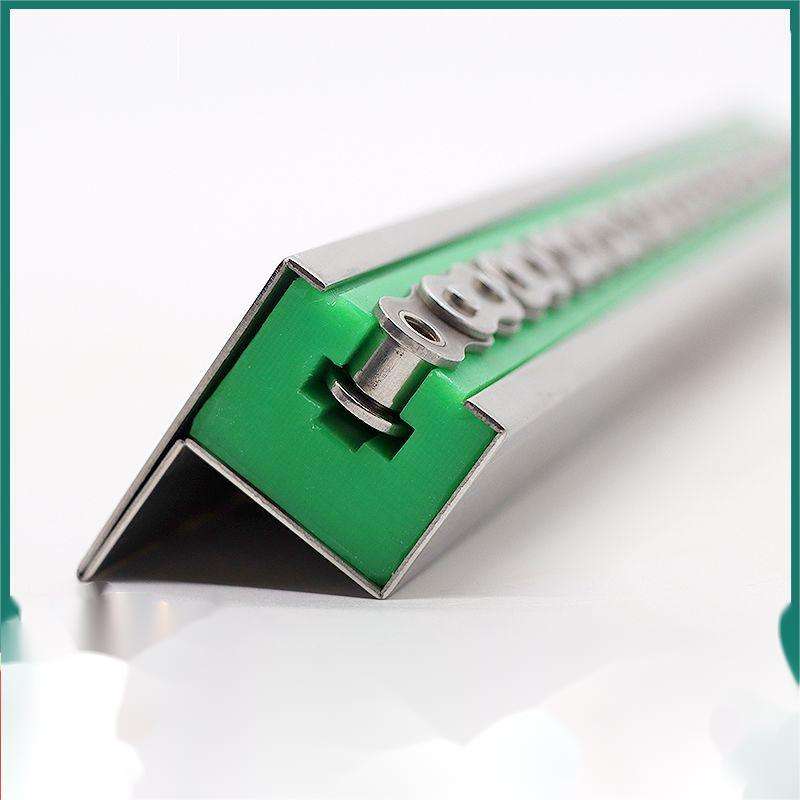
Conveyor belt guides are specialized components meticulously engineered to maintain the alignment of conveyor belts. They function by applying controlled pressure to the edges or center of the belt, counteracting forces that could cause misalignment. Think of them as the traffic controllers of the conveyor world, guiding the belt along a precise route.
There are three primary types of conveyor belt guides. Side guides are the most common, positioned along the edges of the conveyor frame. They act as barriers, preventing the belt from drifting sideways. Center guides, on the other hand, are installed in the middle of the belt, providing more accurate centering, especially useful for delicate or precisely – positioned materials. Skirting, the third type, forms a protective barrier around the belt’s edges, safeguarding against material spillage and protecting the belt from debris.
How Conveyor Belt Guides Work
The operation of conveyor belt guides is a blend of mechanical engineering and physics. Friction – based guides work by creating resistance against the belt’s movement, gently nudging it back into place when it starts to deviate. For example, rubber – lined side guides use friction to keep the belt centered. Mechanical engagement guides, such as roller – based center guides, physically interact with the belt, using rollers or wheels to maintain alignment.
These guides must work in harmony with other conveyor system components. Pulleys and idlers, for instance, need to be correctly positioned relative to the guides to ensure a smooth transfer of materials. If the guides are not compatible with the pulley system, it can lead to uneven belt tension and premature wear.
Key Factors in Choosing Conveyor Belt Guides
Application Requirements
Industry – specific needs are a major determinant in guide selection. In the food processing industry, hygiene is paramount. Guides must be made from food – grade materials that are easy to clean and resistant to corrosion from cleaning agents. Stainless steel or FDA – approved plastics are common choices here. In contrast, the mining industry deals with heavy, abrasive materials. Guides in this sector need to be robust, often made from high – strength alloys or wear – resistant polymers, to withstand the harsh conditions.
The characteristics of the materials being handled also matter. For lightweight, uniform products like small boxes in an e – commerce fulfillment center, simple side guides may suffice. However, for bulky items like engine blocks in an automotive assembly line, wider and more rigid guides are required to support the weight and prevent belt sagging.
Belt Characteristics
The type and width of the conveyor belt directly influence guide selection. Rubber belts, known for their durability and flexibility, may require different guides compared to PVC belts, which are more rigid and suitable for specific chemical – resistant applications. Narrow belts, less than 12 inches wide, demand precise guides to prevent excessive movement, while wider belts, over 36 inches, may need multiple guides or additional support structures.
Belt speed and tension are critical factors. High – speed conveyors, moving at speeds exceeding 500 feet per minute, put more stress on the guides. Guides for these systems need to be made from materials with high impact resistance and excellent wear properties. Similarly, belts under high tension require guides that can withstand the pulling forces without deforming or breaking.
Environmental Conditions
Temperature and humidity can have a significant impact on guide performance. In cold storage facilities, where temperatures drop below freezing, guides need to maintain their flexibility. Specialized polymers with low – temperature resistance are often used in such environments. In high – humidity areas, like tropical warehouses, corrosion – resistant materials are essential to prevent rust and degradation of the guides.
Chemical exposure is another concern. In chemical processing plants, guides may come into contact with aggressive substances. Materials like PTFE (Teflon) or certain grades of stainless steel are ideal as they offer excellent chemical resistance, ensuring the guides remain functional over time.
Cost – Benefit Analysis
While the initial cost of conveyor belt guides is an important consideration, it should not overshadow long – term costs. Cheaper guides made from low – quality materials may seem like a good deal upfront, but they often require frequent replacement and more maintenance. For example, a set of basic plastic side guides may cost less initially, but if they wear out quickly and need to be replaced every few months, the cumulative cost can be higher than investing in more durable, albeit more expensive, metal guides.
High – quality guides, on the other hand, may have a higher upfront price but offer longer service life, reduced maintenance, and less downtime. When calculating the cost – benefit, factor in the cost of replacement parts, labor for maintenance, and potential production losses due to conveyor system failures.
Types of Conveyor Belt Guides and Their Applications
Side Guides
Side guides are typically constructed from metal, plastic, or composite materials. Metal side guides, often made from aluminum or steel, offer high strength and durability, making them suitable for heavy – duty applications. Plastic side guides, such as those made from UHMW (Ultra – High – Molecular – Weight) polyethylene, are lightweight, low – friction, and ideal for applications where minimizing belt wear is crucial.
These guides are widely used in general material handling and packaging lines. In a cardboard box packaging facility, side guides keep the boxes moving in a straight line, ensuring they are properly aligned for labeling, taping, and stacking operations.
Center Guides
Center guides stand out with their unique design. Roller – based center guides use a series of small rollers that make contact with the underside of the belt, gently guiding it back to the center. Friction – pad center guides, on the other hand, use pads that apply pressure to the belt to maintain alignment.
They are essential in industries where precise belt alignment is non – negotiable. In a textile manufacturing plant, center guides ensure that the fabric moves smoothly and evenly through various processing stages, preventing wrinkles and misalignments that could affect the quality of the final product. In printing presses, center guides keep the paper or printing medium centered, ensuring accurate printing and minimizing waste.
Skirting
Skirting serves a dual purpose: to prevent material spillage and protect the belt. It is usually made from flexible rubber or PVC materials that can conform to the shape of the belt and create a seal. In a mining operation, skirting prevents loose rocks and ore from falling off the belt, reducing cleanup time and preventing damage to the conveyor system.
In aggregate processing plants, where the conveyed materials are often sharp and abrasive, skirting acts as a shield, protecting the belt from cuts and tears caused by the materials. This not only extends the life of the belt but also improves the overall safety of the operation by reducing the risk of material spillage on the floor.
Installation and Maintenance of Conveyor Belt Guides
Installation Best Practices
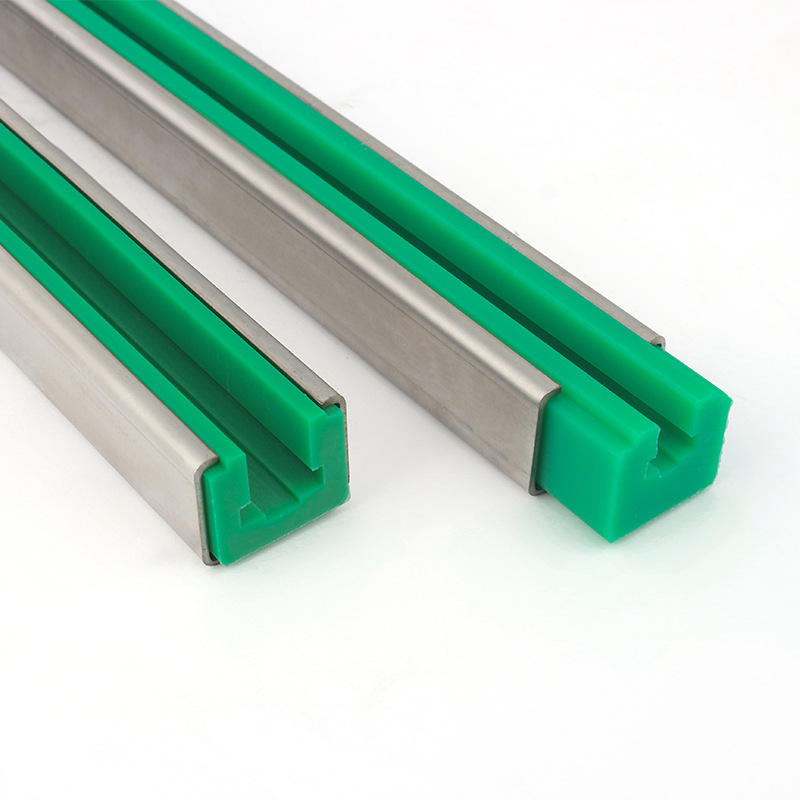
Proper installation is the foundation for the effective operation of conveyor belt guides. When installing side guides, ensure they are parallel to the belt’s path and at the correct height. A height that is too low may not provide sufficient guidance, while a height that is too high can cause excessive friction and belt wear.
For center guides, precise alignment with the belt’s centerline is crucial. Use measuring tools and alignment jigs to ensure accurate positioning. Secure mounting is equally important. All guide components should be firmly attached to the conveyor frame using high – quality fasteners. Loose guides can vibrate during operation, leading to misalignment and potential damage to the belt and other components.
Maintenance Tips
Regular inspection is key to maintaining the performance of conveyor belt guides. Check the guides daily for signs of wear, such as fraying on rubber components, cracks in plastic guides, or rust on metal parts. Look for any signs of misalignment, such as uneven wear patterns on the belt edges or the guides themselves.
Cleaning the guides is also essential. Remove any debris, dust, or material buildup that could interfere with their operation. Lubricate moving parts, such as the rollers in center guides, according to the manufacturer’s recommendations. Proper lubrication reduces friction, extends the life of the components, and ensures smooth operation of the conveyor system.
Conclusion
Choosing the right conveyor belt guides is a multifaceted decision that requires a thorough understanding of application requirements, belt characteristics, environmental conditions, and cost – benefit factors. By considering these elements and understanding the different types of guides available, you can select the most suitable option for your conveyor system.
Remember, proper installation and regular maintenance are just as important as the initial guide selection. By following best practices in installation and adhering to a strict maintenance schedule, you can maximize the performance and lifespan of your conveyor belt guides, ensuring the smooth and efficient operation of your industrial material handling processes. If you’re still unsure about the best guide for your needs, don’t hesitate to consult with conveyor system experts or manufacturers who can provide personalized advice based on your specific requirements.