
- December 11, 2025
- Posted by: feinuojixie
- Category: Chain Guides News
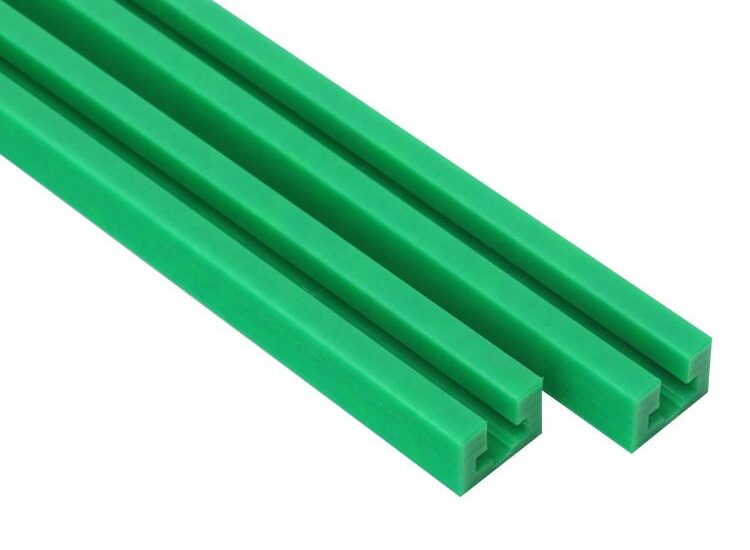
In many manufacturing environments, a Plastic Guide is often viewed as a simple accessory rather than a performance-critical component. However, the reality is quite different. This small yet powerful part plays a major role in preventing premature wear, reducing friction, and keeping equipment running smoothly. As production lines accelerate and equipment becomes more automated, even minor inefficiencies can lead to significant downtime. A well-designed Plastic Guide acts as a protective barrier, ensuring that moving components glide smoothly without grinding, scraping, or misaligning. By minimizing contact stress and stabilizing motion, it not only extends equipment lifespan but also prevents unexpected breakdowns that can halt operations and create costly delays. Whether used in conveyor systems, packaging equipment, or heavy-duty industrial machinery, the right Plastic Guide delivers value far beyond what most engineers expect.
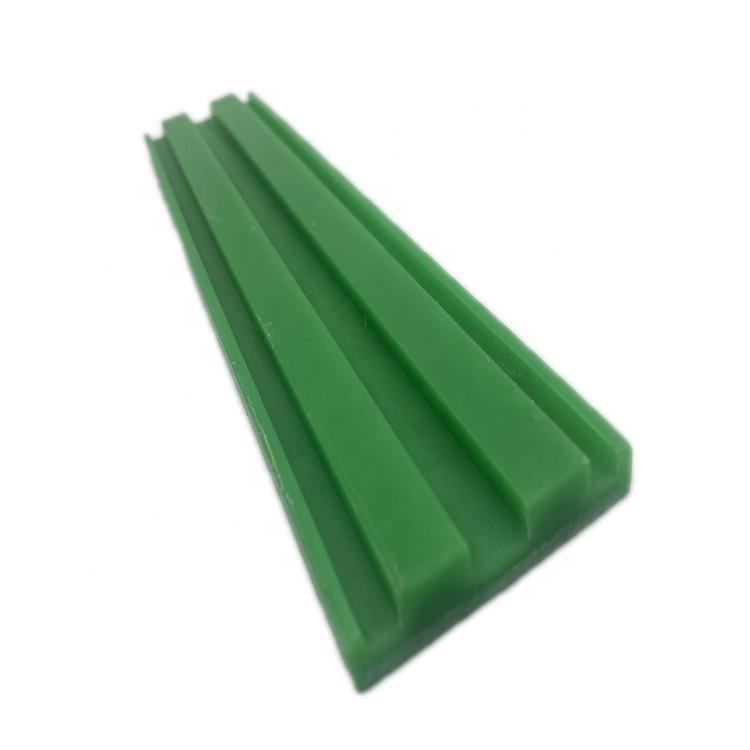
How a Plastic Guide Minimizes Surface Wear Through Intelligent Material Behavior
One of the most effective ways a Plastic Guide protects equipment is through its engineered material properties. Polymers like UHMW and nylon are purposely designed to deliver extremely low friction, allowing moving parts to glide instead of grind. This controlled friction significantly reduces abrasion on metal components, preventing scratches, gouges, and long-term surface fatigue. Because the Plastic Guide is softer than the chain or belt it supports, it absorbs minor imperfections and prevents metal-to-metal contact, which is one of the fastest ways machinery accumulates damage. Over time, this gentle interaction extends part life, maintains smoother operation, and lowers the overall cost of repair and replacement.
The Hidden Shock-Absorption Power of a Plastic Guide
A well-engineered Plastic Guide also delivers impressive impact resistance. During high-speed operations, chains and conveyors often experience sudden directional changes, tension variations, and occasional impacts. Instead of transferring these forces directly into critical components, the Plastic Guide absorbs and dissipates energy through its flexible structure. This shock-absorption effect reduces vibration, minimizes long-term fatigue, and protects sensitive machine parts from repeated micro-impacts. In heavy-load systems where even minor stress can compound over time, this protective capability prevents early wear and helps keep equipment running reliably under demanding conditions.
How a Plastic Guide Prevents Costly Misalignment Issues
Misalignment is one of the most common reasons for unexpected system failures. A plastic guiding surface keeps chains and belts running accurately along their intended path by maintaining a stable, self-lubricating interface. Because its surface naturally reduces drag, a Plastic Guide helps prevent skewing, binding, or tilting that could eventually lead to chain derailment. Consistent alignment enhances the entire system’s efficiency, reduces strain on motors, and decreases the likelihood of emergency shutdowns. With tighter tracking and increased directional control, operations remain stable and predictable, ultimately translating to fewer interruptions and lower maintenance costs.
A Plastic Guide as a Noise Reduction Solution
Noise in industrial environments is more than an annoyance—it is often a warning sign of friction, vibration, or misalignment. A Plastic Guide helps eliminate these issues by providing a smooth, cushioned surface that reduces rattling, scraping, and metal-on-metal contact. The resulting quieter operation has multiple benefits: operators experience less fatigue, maintenance teams can more easily identify abnormal sounds, and overall workplace safety improves. Beyond safety, reduced noise levels also indicate that equipment is running in a healthier mechanical state, which directly contributes to longer service life and fewer unexpected breakdowns.
Using a Plastic Guide to Solve Lubrication Challenges
In many systems, lubrication is both essential and problematic. Too little lubrication increases friction; too much can attract dust, leak onto products, or create contamination concerns in clean environments. A Plastic Guide solves many of these challenges through its self-lubricating properties. Its smooth surface reduces the need for frequent manual lubrication while maintaining low-friction movement. This controlled lubrication environment prevents product contamination, reduces cleanup requirements, and lowers the risk of lubricant-related failures. For food processing, pharmaceutical, and clean-room applications, this feature becomes a major advantage.
Heat and Chemical Resistance: The Overlooked Advantages of a Plastic Guide
While a Plastic Guide is often praised for its mechanical performance, its thermal and chemical resilience is just as important. High-quality polymers resist thermal expansion, preventing dimensional changes that could impact alignment or cause jamming during high-temperature operation. Many engineered plastics also stand up to corrosive chemicals, abrasive particles, and moisture that would quickly degrade metal components. This durability allows the Plastic Guide to provide consistent support even in harsh environments, ensuring stable performance and lower replacement frequency.
How a Plastic Guide Helps Prevent Unexpected Downtime Events
Unexpected downtime often stems from cumulative mechanical stresses that go unnoticed until failure occurs. A Plastic Guide acts as a preventative barrier against many of these small but consequential issues. By reducing friction, absorbing vibration, maintaining alignment, and resisting harsh conditions, it eliminates several root causes of sudden breakdowns. The result is more predictable performance, longer maintenance intervals, and fewer emergency repairs. In fast-paced production environments, this stability translates into significant cost savings and more dependable operation schedules.
Choosing the Right Plastic Guide for Maximum Wear Reduction
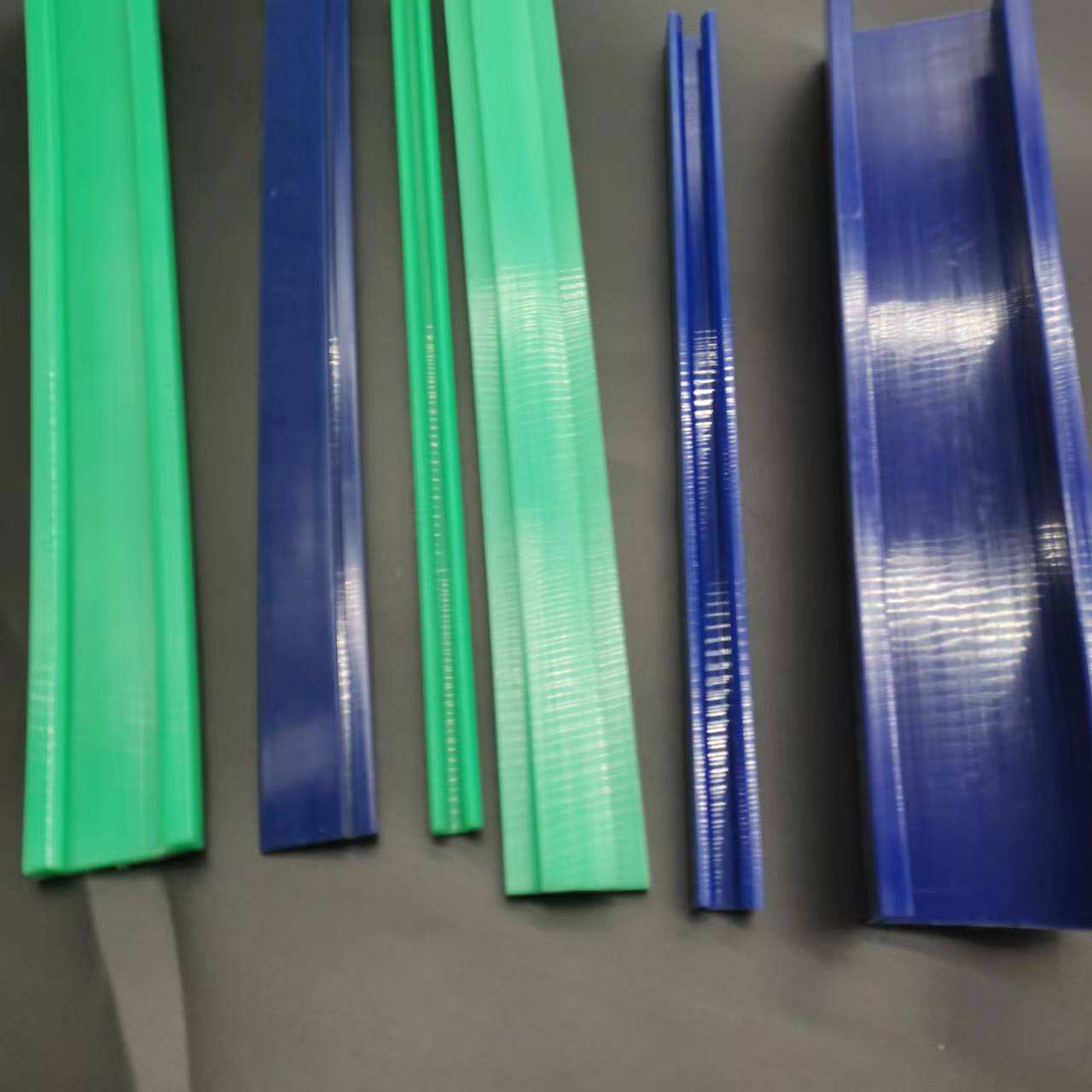
Selecting the correct Plastic Guide requires considering key factors such as load capacity, speed, temperature, and environmental conditions. UHMW is ideal for heavy-duty systems requiring exceptional wear resistance, while nylon offers excellent strength for high-speed applications. For environments involving chemicals or moisture, specialized polymers provide added reliability. Choosing the right profile and installation method is equally important—proper mounting, clearance, and alignment ensure that the Plastic Guide performs at its highest potential. A well-matched guide prevents premature wear and maximizes operational lifespan.
The Small Component That Delivers Big Savings
Although often overlooked, a Plastic Guide plays an essential role in protecting machinery, reducing wear, and preventing costly downtime. Its unique combination of low friction, shock absorption, alignment support, and material durability makes it a quiet but powerful contributor to system reliability. By investing in the right design and ensuring proper installation, companies can significantly extend equipment life, decrease maintenance costs, and achieve smoother, more predictable production. In today’s competitive industrial landscape, the Plastic Guide proves that even the smallest component can deliver truly outsized benefits.