
- August 8, 2025
- Posted by: feinuojixie
- Category: Chain Guides News
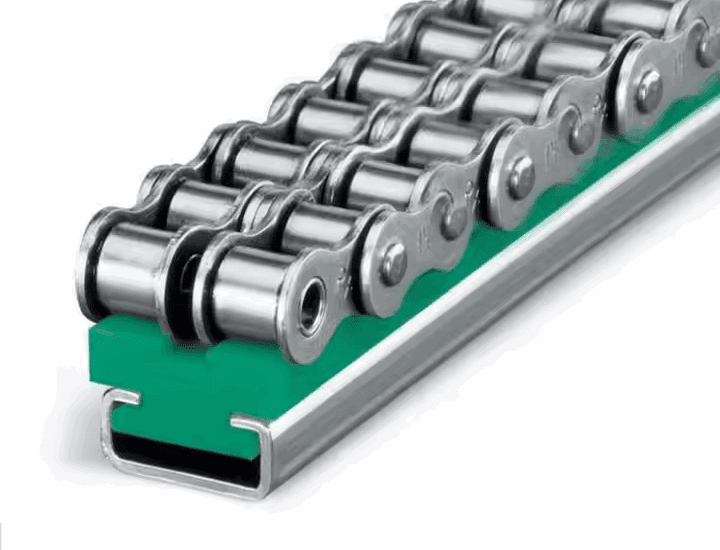

Understanding Plastic Guide Rails and Roller Guide Rails
Plastic guide rails are precision – engineered components designed to provide smooth linear motion for various machinery parts. They are typically made from high – performance polymers that offer excellent wear resistance, low friction, and chemical stability. Roller guide rails, a subset of plastic guide rails, take this functionality a step further. They consist of a series of rollers that run along the guide rail, distributing the load evenly and minimizing friction even more. This design allows for higher speeds, greater load – carrying capacity, and longer service life compared to traditional sliding guide rails. The rollers can be made from different materials, often a combination of durable plastics and metals, to optimize performance based on specific application requirements.
The Advantages of Durable Plastic Guide Rails
One of the primary advantages of durable plastic guide rails is their low friction coefficient. Unlike metal guide rails that can experience significant friction, especially under heavy loads or high – speed operations, plastic guide rails ensure a smooth and effortless movement. This reduced friction not only improves the overall efficiency of the machinery but also extends the lifespan of other components by minimizing wear and tear.
Another significant benefit is their excellent corrosion resistance. In industrial environments where moisture, chemicals, and other corrosive substances are common, plastic guide rails remain unaffected. This makes them ideal for applications in the food processing, pharmaceutical, and marine industries, where exposure to harsh conditions is frequent. Additionally, plastic guide rails are lightweight, which reduces the energy consumption required to move the machinery, contributing to cost savings in the long run.
Maintenance is also a breeze with plastic guide rails. They do not require frequent lubrication like metal guide rails, which reduces maintenance time and costs. Moreover, the low – friction nature of these rails means that there is less debris generation, keeping the machinery cleaner and reducing the risk of component failure due to contamination.
Applications of Plastic Roller Guide Rails in Different Industries
In the manufacturing industry, plastic roller guide rails are widely used in automated assembly lines. They enable precise positioning of parts, ensuring high – quality product assembly. For example, in the automotive manufacturing sector, these guide rails are used to move components along the production line with accuracy, reducing errors and increasing production speed.
In the logistics and warehousing industry, roller guide rails play a crucial role in conveyor systems. They allow for the smooth movement of heavy loads, such as pallets and large packages, over long distances. The low – friction and high – load – carrying capacity of plastic roller guide rails ensure that the conveyor systems operate efficiently, minimizing downtime and improving overall warehouse productivity.
The food processing industry benefits greatly from the use of plastic roller guide rails due to their hygiene and corrosion – resistant properties. These guide rails can be easily cleaned, preventing the buildup of food residues and bacteria, which is essential for maintaining food safety standards. They are used in various food processing equipment, from packaging machines to sorting systems.
Key Considerations When Upgrading to Plastic Guide Rails
When planning to upgrade your machinery with plastic guide rails, several factors need to be considered. First and foremost is the load capacity. It is essential to choose guide rails that can support the weight of the moving parts and any additional loads during operation. Understanding the maximum load requirements of your machinery will ensure that the plastic guide rails can perform optimally without failure.
The operating environment also plays a vital role. If the machinery operates in extreme temperatures, high humidity, or in the presence of chemicals, the plastic guide rails need to be selected accordingly. Some plastics are more suitable for specific environmental conditions, and choosing the right type will guarantee the longevity and reliability of the guide rails.
Installation is another critical aspect. Although plastic guide rails are relatively easy to install, proper alignment and calibration are necessary for optimal performance. It is advisable to follow the manufacturer’s installation guidelines carefully or seek professional assistance to ensure a seamless upgrade.
Installation and Maintenance Tips for Plastic Guide Rails
During installation, start by cleaning the mounting surfaces thoroughly to remove any dirt, debris, or grease. This will ensure a secure and stable attachment of the guide rails. Use the appropriate fasteners and follow the recommended torque specifications to prevent over – tightening or under – tightening, which can affect the performance of the guide rails.
For maintenance, regular visual inspections are recommended. Check for any signs of wear, damage, or misalignment. If any issues are detected, address them promptly to prevent further damage. As mentioned earlier, plastic guide rails generally require minimal lubrication, but if the manufacturer recommends it for your specific application, use a lubricant that is compatible with the plastic material to avoid any chemical reactions.
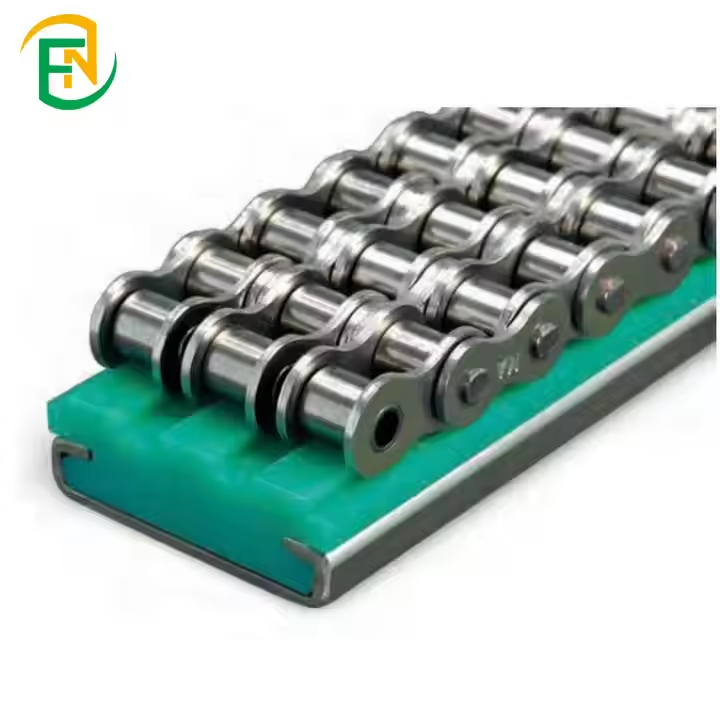
Case Studies: Success Stories of Machinery Upgrades
Many companies have already experienced significant improvements in their operations by upgrading to plastic guide rails. For instance, a leading electronics manufacturer replaced its old metal guide rails with plastic roller guide rails in its circuit board assembly line. As a result, the production speed increased by 30%, and the error rate decreased by 50%. The reduced friction and precise movement provided by the plastic guide rails allowed for more accurate component placement, leading to higher – quality products and increased customer satisfaction.
Another example is a large – scale logistics company that upgraded the conveyor systems in its warehouses with plastic roller guide rails. The company saw a 20% reduction in energy consumption due to the lightweight nature of the plastic guide rails. Additionally, the maintenance costs decreased by 40% as the need for frequent lubrication and part replacements was eliminated.
Embrace the Future of Machinery with Plastic Guide Rails
Upgrading your machinery with durable plastic guide rails, especially those featuring roller guide rail systems, is a strategic move that can bring about numerous benefits. From improved efficiency and reduced maintenance costs to enhanced durability and versatility in various industries, these guide rails are truly a game – changer. As technology continues to evolve, plastic guide rails will only become more advanced, offering even greater performance and value. Don’t miss out on the opportunity to revolutionize your machinery and stay ahead in the competitive industrial landscape. Take the first step today and explore the possibilities of upgrading with high – performance plastic guide rails.