
- September 22, 2025
- Posted by: feinuojixie
- Category: Chain Guides News
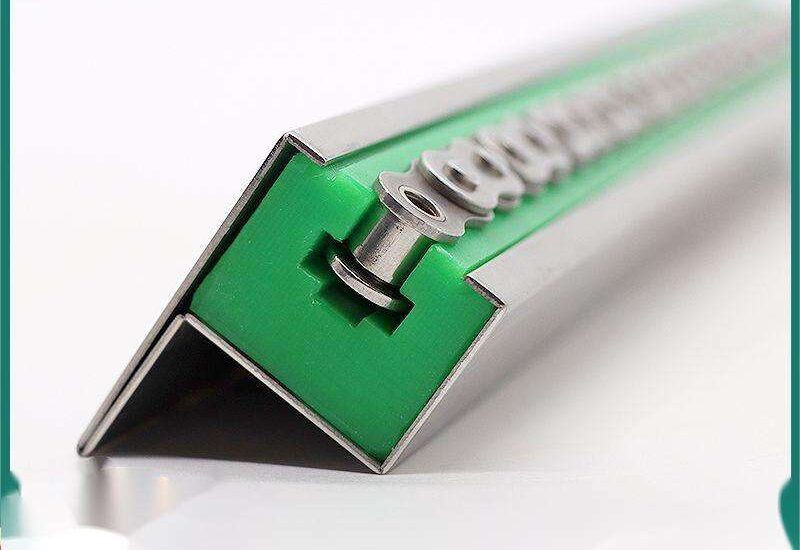
In the vast world of industrial equipment, there are components that, although small in size, play a disproportionately important role. The chain wear strip is one such unsung hero. You might overlook this unassuming part while examining a complex machinery system, but its absence can lead to significant issues. Chain wear strips are simple in appearance yet hold the key to maintaining the smooth operation and longevity of chain – driven systems. This has us wonder: what exactly are they used for? Let’s embark on a journey to explore the functions and importance of chain wear strips.
Definition and Appearance of Chain Wear Strip
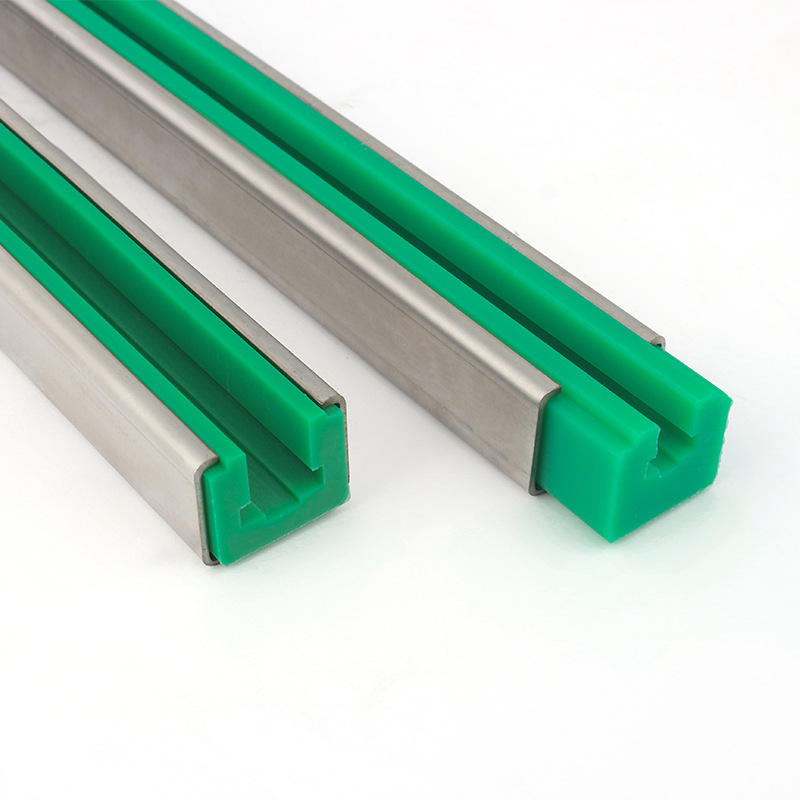
A chain wear strip, also known as an anti – wear strip or wear – resistant strip in the context of chain systems, is a specialized component designed to protect and enhance the performance of chains.
Material
Chain wear strips are typically made from high – quality, wear – resistant materials. One common material is polyurethane. Polyurethane offers excellent abrasion resistance, which is crucial as the strip constantly interacts with the chain. It can withstand the repeated friction from the chain links moving across it without wearing down quickly. Additionally, polyurethane has good shock – absorbing properties. This helps to reduce the impact forces generated when the chain is in motion, especially in high – speed or heavy – load applications.
Another material often used is high – density polyethylene (HDPE). HDPE is known for its low coefficient of friction, which allows the chain to slide smoothly over the strip. This not only reduces energy losses but also minimizes heat generation during operation. It is also relatively lightweight, making it suitable for applications where weight is a consideration, such as in some portable or mobile machinery.
In more heavy – duty industrial applications, metal – based wear strips, such as those made from hardened steel or bronze, may be employed. Steel wear strips offer extreme durability and can handle very high loads and harsh operating conditions. Bronze, on the other hand, has good self – lubricating properties, which can further reduce friction and wear in the chain – strip interface.
Shape
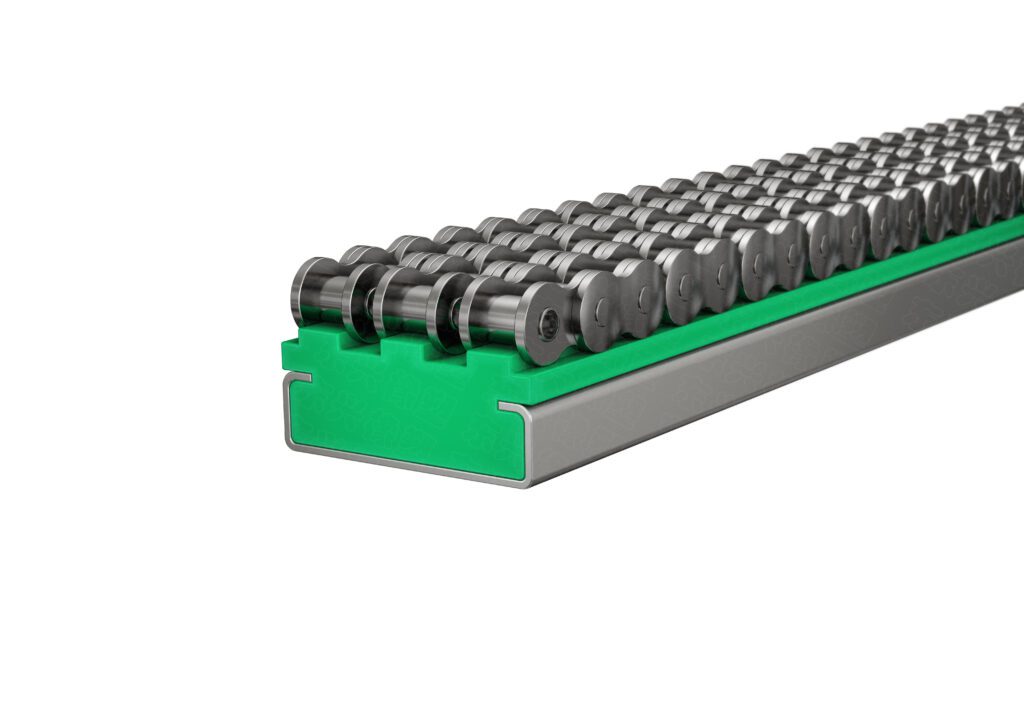
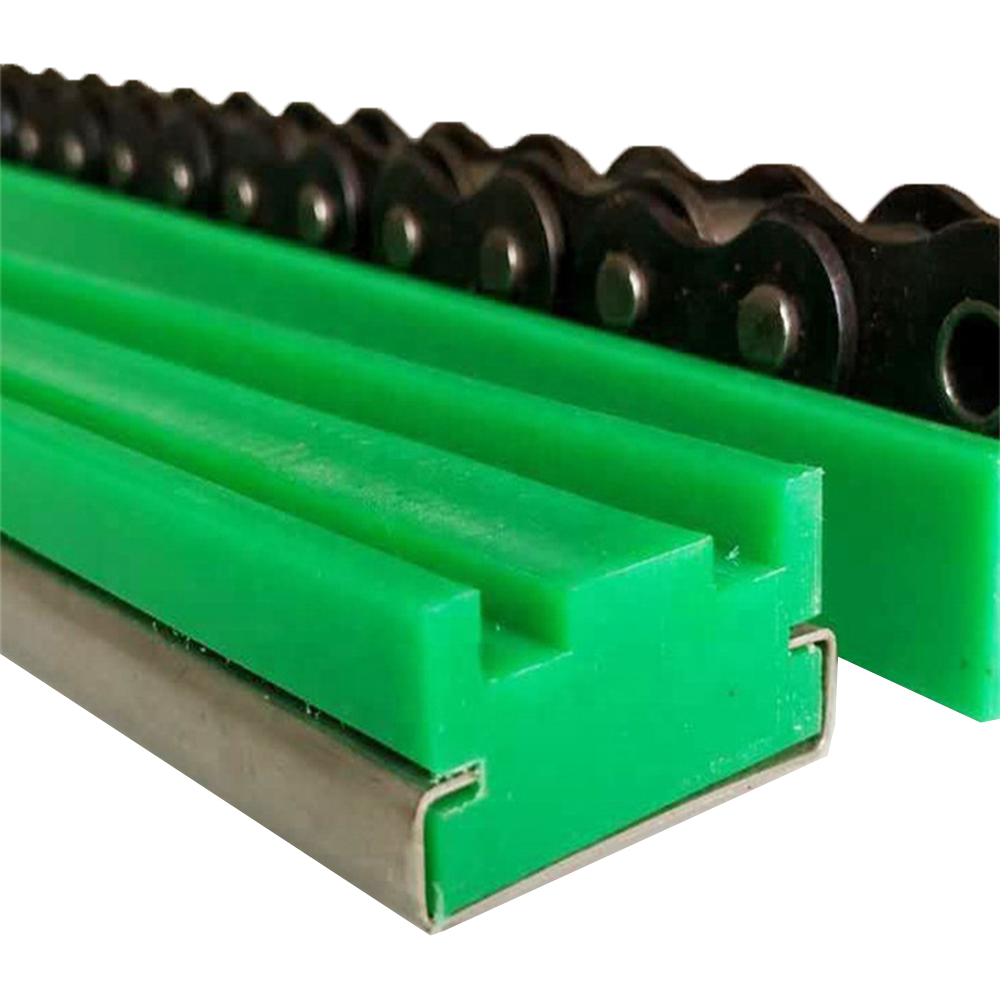
The shape of a chain wear strip is usually a long, flat strip. Its width is designed to match the width of the chain it is intended to support. This ensures that the entire width of the chain is in contact with the strip, providing even support and wear protection. The length of the strip can vary greatly depending on the application. In conveyor systems, for example, the wear strip may be quite long, running the entire length of the conveyor to continuously support the chain throughout its travel.
The cross – section of the wear strip can also have different profiles. Some wear strips have a simple rectangular cross – section, which is straightforward to manufacture and install. Others may have a slightly curved or contoured cross – section. This curved shape can be designed to better conform to the natural movement of the chain, providing more effective support and reducing the risk of the chain jumping or misaligning. In addition, some wear strips may have grooves or channels on their surface. These grooves can help to guide the chain, improve alignment, and also serve as reservoirs for lubricants, ensuring continuous lubrication between the chain and the strip.
The Core Function – Reducing Chain Wear
Minimizing Friction
At the heart of a chain – driven system, the chain is in constant motion, with its links sliding, bending, and rotating. As it moves, the chain experiences significant friction. This friction is not only between the chain links themselves but also between the chain and the components it interacts with, such as sprockets and guides. Chain wear strips play a crucial role in minimizing this friction. When the chain runs over the wear strip, the low – friction material of the strip, like HDPE or the self – lubricating bronze, allows the chain to slide smoothly.
Think of it like a well – oiled track for the chain. Without the wear strip, the chain would be in direct contact with a rougher surface, leading to increased friction. This increased friction would not only cause the chain to wear out faster but also require more energy to drive the chain. For example, in a conveyor belt system used in a factory to move heavy boxes, the chain that powers the conveyor has to work against a lot of resistance. The chain wear strip reduces this resistance by providing a smooth surface for the chain to glide on, ensuring that the conveyor operates efficiently and the chain doesn’t wear prematurely.
Preventing Direct Metal – to – Metal Contact
In a chain, the pins, bushings, and rollers are key components that are subject to wear. Without proper protection, these metal parts can come into direct contact with each other or with other metal components in the system, such as the sprocket teeth. This direct metal – to – metal contact is a recipe for accelerated wear. The chain wear strip acts as a protective barrier. When installed correctly, it positions itself between the chain and other metal surfaces, preventing the chain’s metal parts from rubbing directly against each other or against the sprocket.
For instance, in a motorcycle’s drive chain system, the chain wear strip keeps the chain from grinding against the motorcycle’s frame or other adjacent metal parts. In industrial machinery like a large – scale printing press, where the chains are constantly moving at high speeds to transport paper and perform printing operations, the wear strip protects the chain from direct contact with the press’s metal guides. This prevention of direct metal – to – metal contact not only reduces wear on the chain but also helps to maintain the integrity of the entire chain – driven system, ensuring consistent performance and reducing the need for frequent repairs and replacements.
Other Functions of Chain Wear Strip
Noise Reduction
Industrial environments can be notoriously noisy, and in chain – driven systems, the noise generated by the chain can be a significant contributor to this overall noise pollution. Chain wear strips play a vital role in noise reduction. When a chain moves without a wear strip, the friction between the chain and the supporting surface, as well as the impact of the chain links hitting each other or other components, creates a considerable amount of noise.
For example, in a wood – processing factory, the chains used in the conveyors to transport logs and processed wood pieces can produce a very loud rattling noise if there are no wear strips. However, with the installation of chain wear strips, the smooth – sliding surface provided by the strip reduces the friction – based noise. The shock – absorbing properties of materials like polyurethane also help to dampen the impact – related noise when the chain links engage or disengage with sprockets. This noise reduction not only makes the working environment more comfortable for employees but also helps to comply with noise – pollution regulations in industrial areas. It can also prevent auditory fatigue and potential hearing damage to workers who are constantly exposed to the noise from chain – driven machinery.
Shock Absorption
Chains in motion are often subject to various shock loads. These shocks can occur when the chain starts or stops suddenly, when there are sudden changes in the load being driven by the chain, or when the chain encounters obstacles or irregularities in its path. Chain wear strips act as shock absorbers in these situations.
Consider a mining operation where a chain – driven conveyor is used to transport heavy loads of ore. When a large chunk of ore is suddenly dropped onto the conveyor, the chain experiences a significant impact force. The chain wear strip, made of a shock – absorbing material like polyurethane, compresses slightly upon impact, absorbing a large part of this shock energy. This absorption of shock energy helps to prevent the chain from being damaged due to the sudden high – force impact. It also ensures that the shock is not transferred further to other components of the machinery, such as the sprockets, bearings, and the frame of the conveyor. By reducing the shock loads on the chain and the entire system, the chain wear strip helps to make the chain – driven system more stable and reliable, reducing the likelihood of equipment failures and costly downtime for repairs.
Application Scenarios of Chain Wear Strip
In Industrial Machinery
Chain wear strips find extensive applications in various industrial machinery, playing a crucial role in ensuring smooth operations and minimizing downtime.
In conveyor systems, which are widely used in industries such as manufacturing, logistics, and mining, chain wear strips are essential components. For example, in a large – scale e – commerce fulfillment center, the conveyor belts that transport packages of various sizes rely on chains to move. The chain wear strips installed along the conveyor path support the chains, reducing friction and preventing the chains from wearing out prematurely. This ensures that the conveyor system can operate continuously for long hours, handling a high volume of packages efficiently. In a mining operation, the chain – driven conveyors that transport ore from the mine to the processing plant are subject to extremely harsh conditions, including heavy loads and abrasive materials. The chain wear strips in these conveyors protect the chains from the rough environment, allowing the transportation of ore to occur smoothly and without frequent breakdowns.
Printing presses are another type of industrial machinery where chain wear strips are indispensable. In a modern high – speed printing press, the chains are responsible for moving the paper through the various printing and finishing processes. The chain wear strips help to keep the chains in proper alignment, reduce noise, and minimize wear. This is crucial for maintaining the quality of the printed products. If the chains were to wear out or become misaligned due to the lack of wear strips, it could lead to printing defects such as smudging, misregistration, or uneven ink distribution.
In Daily – Used Equipment
Chain wear strips are also present in many daily – used equipment, although we may not always be aware of them.
Bicycles are a common mode of transportation, and their chain – drive systems rely on chain wear strips. The chain on a bicycle experiences constant friction as it moves over the sprockets. The chain wear strip, often made of a durable plastic or rubber material, provides a smooth surface for the chain to run on. This reduces the effort required to pedal, extends the life of the chain, and makes the cycling experience more pleasant. For example, a cyclist who regularly commutes or goes on long – distance rides will notice that a well – maintained chain with a functioning wear strip allows for a smoother and more efficient ride.
Motorcycles, with their more powerful engines and higher – speed operations, also benefit greatly from chain wear strips. The drive chain on a motorcycle is under significant stress, especially when accelerating, decelerating, or riding on uneven terrain. The chain wear strip helps to absorb shocks, reduce vibration, and prevent the chain from rubbing against the motorcycle’s frame or other components. This not only protects the chain but also contributes to the overall safety and reliability of the motorcycle. A worn – out chain wear strip on a motorcycle can lead to chain slippage, which can be extremely dangerous, especially at high speeds.
Maintenance and Replacement of Chain Wear Strip
Maintaining chain wear strips is essential to ensure they continue to perform their functions effectively. Regular cleaning is a fundamental maintenance task. Over time, dust, dirt, and debris can accumulate on the surface of the wear strip. This accumulation can not only increase friction but also cause abrasion on the strip and the chain. For example, in a dusty industrial environment like a cement factory, the chain wear strips should be cleaned at least once a week using a soft brush and a suitable cleaning agent. This helps to keep the surface of the strip smooth and free from contaminants.
Regularly checking the wear degree of the chain wear strip is also crucial. You can visually inspect the strip for signs of wear, such as grooves, cracks, or thinning. In some cases, you may need to use measuring tools to accurately assess the thickness of the strip. For instance, in a precision – manufacturing conveyor system, if the wear strip thickness has decreased by more than 20% of its original value, it is a sign that the wear strip is wearing out.
So, when should you replace the chain wear strip? If the wear strip has significant grooves that cannot be smoothed out, or if it has cracks that may cause it to break during operation, replacement is necessary. In addition, if the strip has become so thin that it can no longer effectively support the chain or reduce friction, it’s time to install a new one. For example, in a food – processing plant, where hygiene and continuous operation are critical, a worn – out chain wear strip should be replaced immediately to prevent any potential contamination or production disruptions. By timely replacing the chain wear strip, you can ensure the smooth operation of the chain – driven system and extend the service life of other components in the system, such as the chain and sprockets.
The Indispensable Chain Wear Strip
In conclusion, the chain wear strip, though often overlooked, is an essential component in any chain – driven system. Its primary function of reducing chain wear by minimizing friction and preventing direct metal – to – metal contact is crucial for maintaining the integrity and longevity of chains. By doing so, it not only reduces the frequency of chain replacements but also ensures the smooth operation of machinery, which is vital for industrial productivity.
The additional functions of noise reduction and shock absorption provided by chain wear strips further enhance their value. In industrial settings, the noise reduction aspect contributes to a more comfortable working environment and compliance with noise regulations. The shock – absorption property protects the chain and other components from damage caused by sudden impact forces, increasing the reliability and stability of the entire system.
Whether in large – scale industrial machinery like conveyor systems and printing presses or in daily – used equipment such as bicycles and motorcycles, chain wear strips play an irreplaceable role. Regular maintenance and timely replacement of chain wear strips are necessary to ensure they continue to perform these functions effectively. As we continue to rely on chain – driven systems in various aspects of our lives and industries, the importance of the humble chain wear strip cannot be overstated. It truly is an indispensable part that keeps the wheels (or chains) of progress turning smoothly.