
- November 28, 2025
- Posted by: feinuojixie
- Category: Chain Guides News

In today’s fast-paced industrial environment, conveyor systems are expected to operate faster, carry heavier loads, and run with near-zero downtime. As production lines become more automated and more interconnected, even a small failure can disrupt the entire workflow. This is why a reliable roller chain guide has become a fundamental component across modern conveyor systems.
A well-engineered roller chain guide ensures that the chain stays aligned, moves smoothly, and maintains stable contact with the sprocket at all times. Without it, the chain can drift, vibrate, or wear prematurely—leading to unexpected stoppages and costly repairs. As industries push for higher throughput and greater energy efficiency, the role of the roller chain guide has evolved from a simple support component to a performance-defining feature.
The modern production line depends on equipment that can operate continuously under demanding conditions. A high-quality roller chain guide not only helps achieve this stability but also extends component life, reduces noise, and minimizes maintenance needs. In short, it is one of the smartest and most cost-effective upgrades any conveyor system can incorporate.
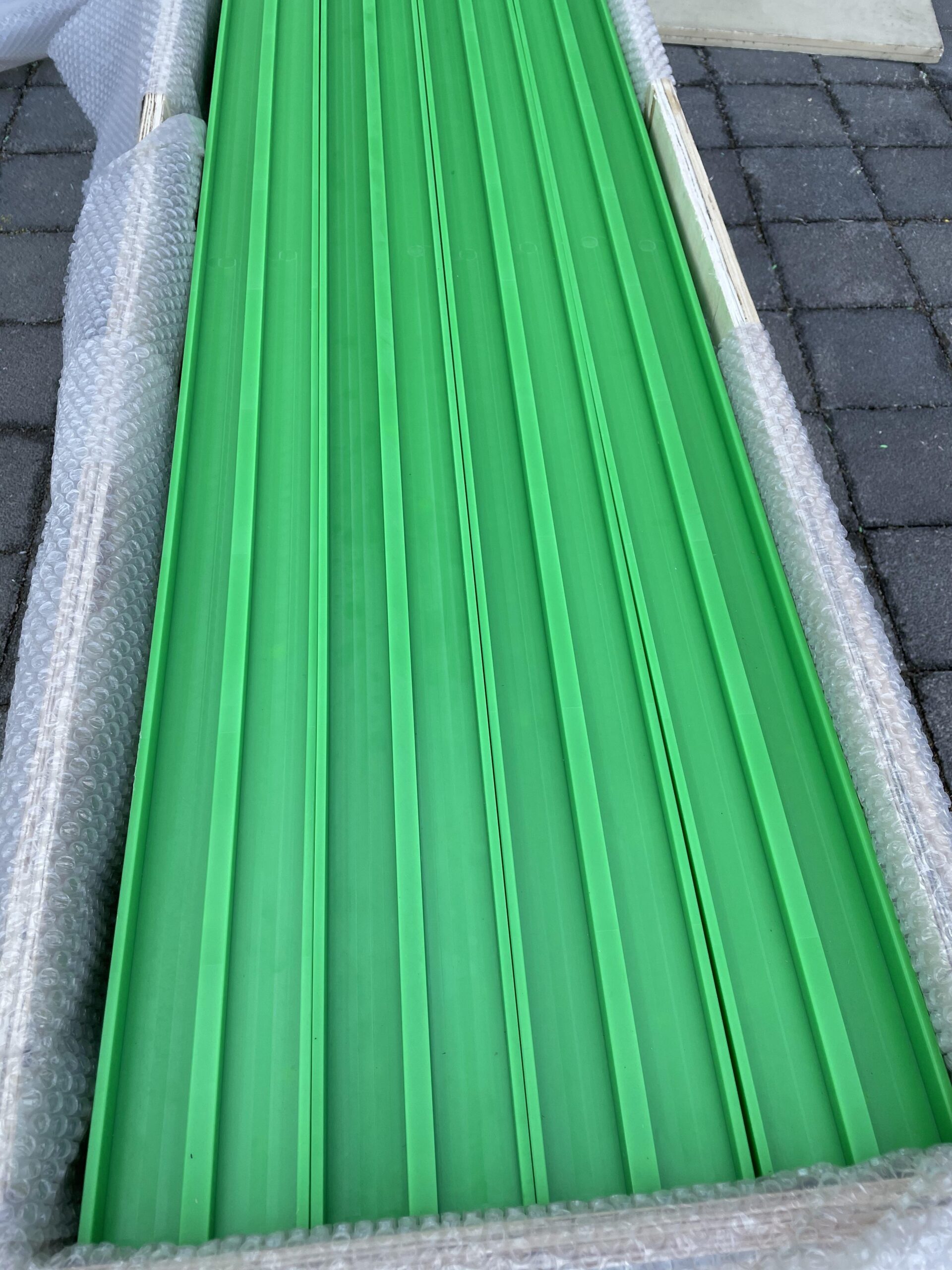
How a Roller Chain Guide Supports Smoother Conveyor Operation
A dependable roller chain guide plays a direct role in stabilizing and refining the movement of a conveyor system. One of its most important functions is minimizing friction between the chain and the track. By reducing unnecessary resistance, it allows the chain to glide smoothly, helping the conveyor maintain consistent speed and motion even under heavy loads. This stability is crucial for industries that rely on precise timing, such as packaging, bottling, or electronics assembly.
Another essential benefit is preventing chain misalignment, a common issue in high-speed or long-distance conveyor setups. Misalignment can lead to chain jump, uneven wear, or sudden stoppage. A well-designed roller chain guide keeps the chain securely in place, ensuring reliable tracking and reducing the risk of performance disruptions. Additionally, the guide helps absorb minor vibrations and dampen operational noise, creating a more stable and quieter production environment—an important advantage for facilities working long hours or operating near human workers.
The Hidden Cost Savings Behind a High-Quality Roller Chain Guide
Investing in a reliable roller chain guide often results in significant long-term cost reductions. The guide reduces friction and stabilizes the chain, which helps extend the lifespan of both the chain and the sprocket. Lower wear-and-tear means fewer replacements, and that directly translates to lower operational expenses. In industries where downtime can cost thousands of dollars per hour, this added durability is invaluable.
A dependable guide also plays a key role in preventing unplanned downtime. Without proper guidance, a chain can derail or wear out prematurely, causing the conveyor to halt. By ensuring smooth, stable movement, the roller chain guide dramatically decreases these risks. It even reduces the need for frequent lubrication because low-friction materials keep the chain running efficiently with less maintenance. For facilities seeking to reduce labor costs or streamline maintenance schedules, this benefit alone makes the guide a worthwhile investment.
Material Matters: Choosing the Right Roller Chain Guide for Your Conveyor
The performance of a roller chain guide depends heavily on the material used in its construction. UHMW is one of the most popular choices thanks to its low friction coefficient, self-lubricating behavior, and outstanding wear resistance. These qualities make it ideal for conveyors that operate continuously or at high speeds. It also offers excellent chemical resistance, which is valuable in food processing, pharmaceuticals, or environments with aggressive cleaning agents.
Engineering nylon is another strong option, especially for applications requiring higher mechanical strength or enhanced temperature tolerance. It delivers rigidity and stability under heavier loads, making it suitable for automotive manufacturing or industrial assembly lines. When choosing a material, it is important to evaluate key performance factors such as wear resistance, impact strength, and chemical compatibility. Selecting the right material ensures that the roller chain guide can withstand the operational demands of your specific conveyor environment.
Design Features That Define a Reliable Roller Chain Guide
Not all guides are created equal, and the design plays an important role in determining performance. A precise fit for the chain size is essential because even a small mismatch can lead to instability or premature wear. The guide should cradle the chain securely without restricting movement, maintaining a perfect balance between support and free travel.
For heavy-duty applications, reinforced design features—such as thicker walls, ribbing, or impact-resistant geometry—can greatly enhance durability. Smooth surfaces are equally important. A polished track minimizes drag and helps maintain efficient movement over long distances. When these design elements come together, the roller chain guide becomes a high-value component that improves reliability and extends the overall lifespan of the conveyor system.
How the Right Roller Chain Guide Boosts Overall Conveyor Productivity
A well-selected roller chain guide has a measurable impact on conveyor productivity. By stabilizing the chain and reducing friction, it supports higher operating speeds without compromising accuracy. This allows conveyor systems to move more material in less time, increasing throughput and improving overall production efficiency.
Energy efficiency is another advantage. Reduced friction means less power is required to drive the conveyor, which lowers energy consumption and operating costs. Safety also benefits from a reliable guide. By preventing chain derailments or sudden failures, it helps avoid hazardous incidents and ensures operators can work with confidence around the equipment. In demanding production environments, this combination of higher output, lower costs, and improved safety makes the roller chain guide a vital performance enhancer.
Application Insights: Where a Reliable Roller Chain Guide Makes the Biggest Difference
Certain industries rely heavily on the stability and precision that a roller chain guide provides. In food processing and packaging, for example, maintaining clean, smooth operation is critical to avoiding contamination and meeting hygiene standards. A low-friction guide helps achieve consistent movement while minimizing the need for excessive lubrication.
In automotive and heavy manufacturing, conveyors often carry large or heavy parts. A strong, durable guide ensures that the chain can handle these demanding loads without shifting or wearing prematurely. Logistics and distribution centers benefit as well. Their conveyors operate almost nonstop, and even a small disruption can cause delays throughout the entire workflow. A reliable roller chain guide helps maintain 24/7 performance, ensuring packages move smoothly and on schedule.
How to Select the Best Roller Chain Guide for Your System
Choosing the right guide begins with matching the profile to the chain type. A perfectly matched guide ensures smooth movement and prevents operational issues caused by incompatible geometry. It is also important to consider operating speed, load capacity, and environmental conditions. High-speed lines require low-friction materials, while heavy-load systems need stronger structural designs.
For environments exposed to chemicals, heat, or moisture, material selection becomes even more critical. Mounting options should also be evaluated to ensure proper installation and easy replacement. Customization can make a big difference, especially for conveyors with unique layouts or special performance requirements. Taking the time to select the right roller chain guide helps maximize efficiency and protect the system from unnecessary wear.
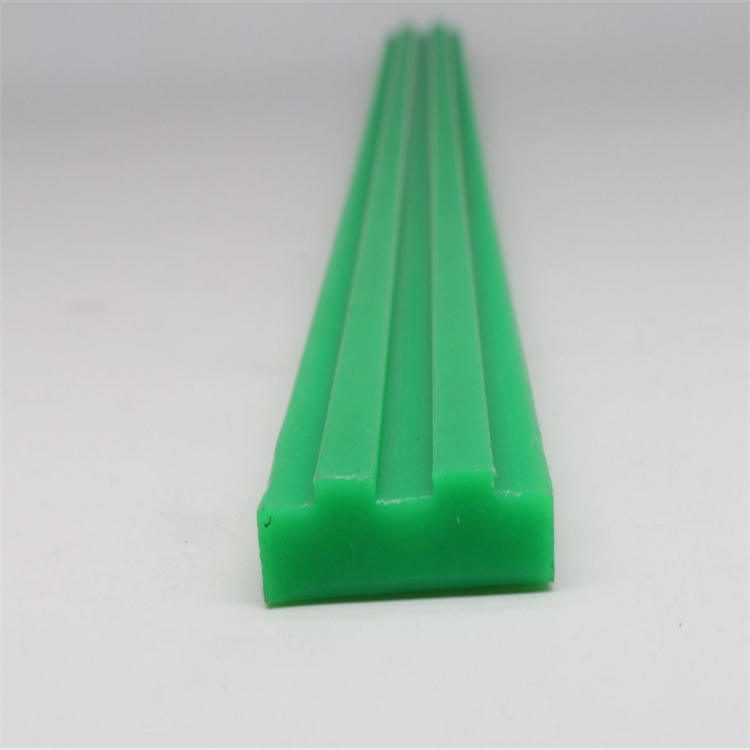
A Reliable Roller Chain Guide Is the Backbone of Modern Conveyor Performance
As industries push for higher productivity, tighter tolerances, and greater reliability, the roller chain guide has become an indispensable component of modern conveyor systems. It ensures stable chain movement, reduces wear, minimizes friction, and prevents costly downtime. From material handling and packaging to automotive and logistics, every industry benefits from its contribution to smoother and more efficient conveyor operation.
A high-quality roller chain guide is not just an accessory—it is a performance-boosting investment that strengthens the entire conveyor system. By choosing the right guide based on material, design, and application needs, businesses can significantly extend equipment lifespan, reduce operating costs, and maintain uninterrupted production. In today’s competitive industrial environment, a reliable roller chain guide is truly a must-have for any modern conveyor system.