
- October 24, 2025
- Posted by: feinuojixie
- Category: Injection Molding News
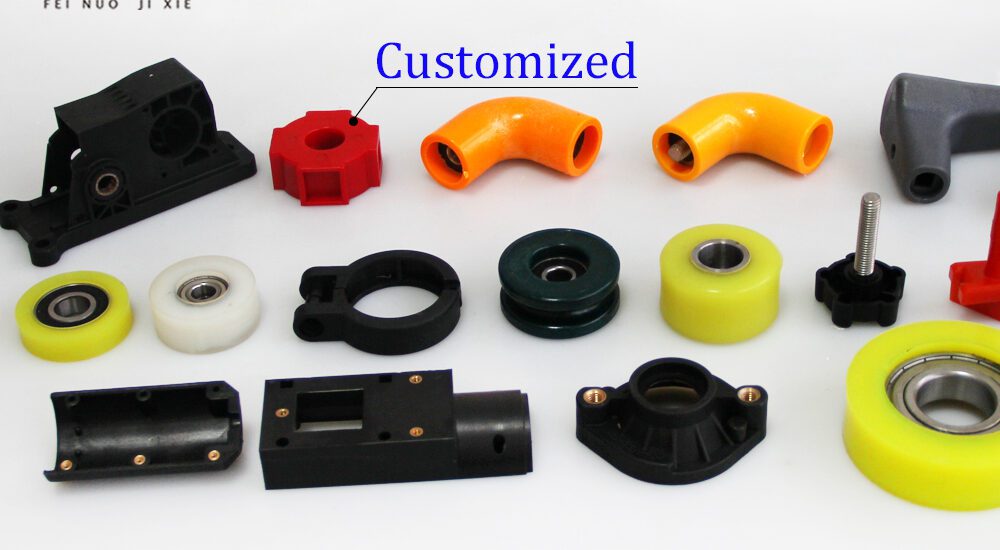
In today’s competitive manufacturing landscape, companies are constantly searching for ways to balance quality with affordability. Among the many production techniques available, injection molded part stands out as one of the most powerful tools for achieving cost-effective results. Its unique combination of precision, repeatability, and scalability enables manufacturers to produce high-quality components at an impressively low per-unit cost. Whether used in automotive interiors, electronic housings, or household appliances, injection molded part has quietly become the hidden engine behind efficient production systems worldwide.
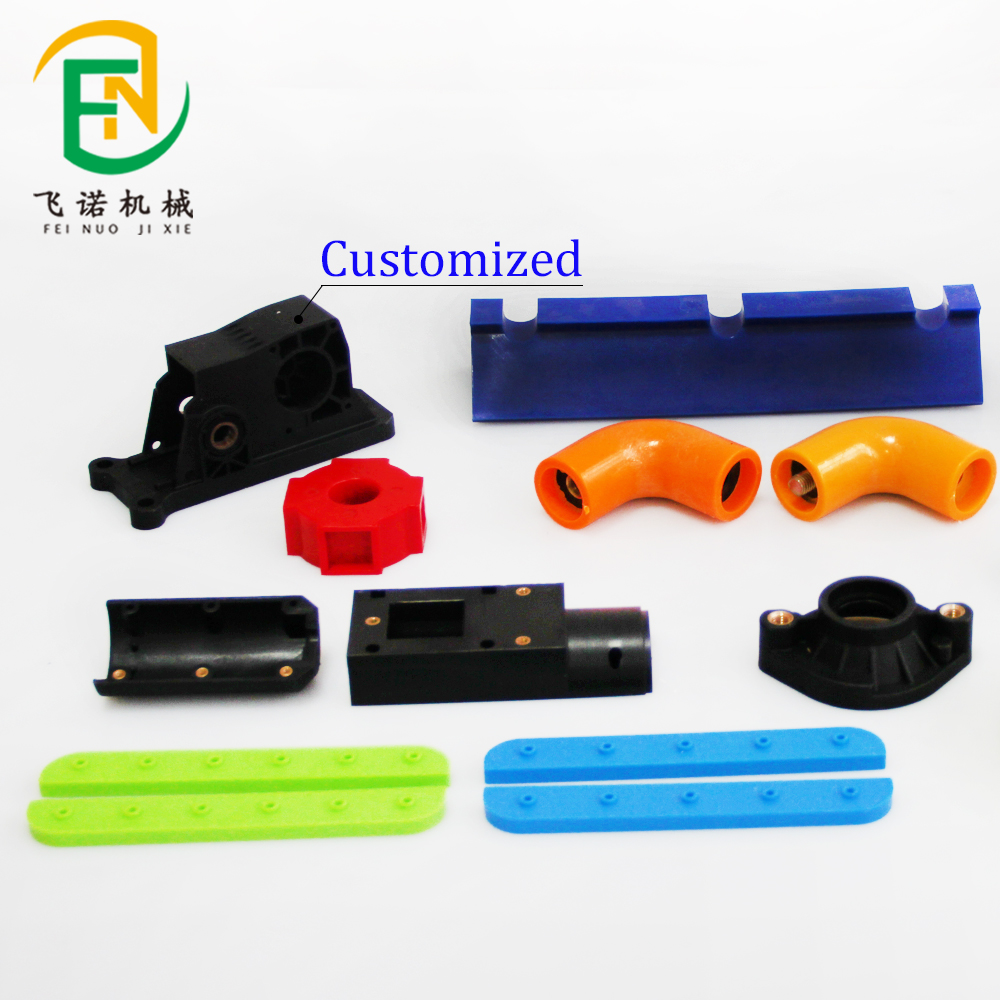
Understanding Injection Molded Part and Its Role in Modern Manufacturing
Injection molded part refers to a component created by injecting molten plastic into a precisely designed mold, allowing it to cool and solidify into a desired shape. This process is one of the most efficient methods for mass-producing complex, detailed parts with minimal error margins. Industries such as automotive, electronics, medical devices, and consumer goods rely heavily on injection molded part because it delivers both high precision and scalability. Unlike traditional fabrication or machining methods, injection molding can create identical parts thousands of times over, ensuring consistency and reliability that modern production demands.
Material Efficiency: Maximizing Output, Minimizing Waste
One of the strongest reasons injection molded part is key to cost-effective production lies in material efficiency. The process is designed to use only the exact amount of material required to form each part, leaving almost no excess. Furthermore, any leftover plastic from sprues or runners can often be reground and reused, minimizing overall waste. This precise material management not only reduces production costs but also aligns with sustainability goals by conserving resources. Manufacturers can select from a wide range of materials—each offering different mechanical, chemical, or thermal properties—while maintaining strict control over consumption.
Speed and Scalability: Producing More in Less Time
In high-demand industries, time directly translates to cost. Injection molded part offers an unmatched advantage through rapid production cycles. Once a mold is created and the process is optimized, cycle times can range from a few seconds to just minutes per part. Advanced automation and robotics further increase throughput, ensuring round-the-clock production with minimal labor costs. This scalability means companies can respond quickly to market demands without compromising quality, making injection molded part an indispensable asset for achieving mass production at a fraction of traditional costs.
Design Flexibility: Cost Reduction Through Smart Engineering
Another significant benefit of injection molded part is its incredible design flexibility. Engineers can create intricate geometries, integrate multiple features into a single part, and eliminate the need for separate components and assembly steps. This design freedom directly reduces material use, tooling, and assembly labor. For example, instead of manufacturing three separate pieces that must later be joined, engineers can mold one unified part. Such intelligent engineering not only simplifies production lines but also minimizes the risk of assembly errors, saving both time and money over the product’s lifecycle.
Durability and Consistency: Long-Term Value with Lower Replacement Costs
Injection molded part is not just cost-effective during production—it also delivers long-term value. High-quality molds and precision-controlled manufacturing ensure that every part meets exact specifications, resulting in consistent performance across batches. This reliability reduces defect rates, warranty claims, and replacement costs. Additionally, the materials used are often engineered for strength, heat resistance, and durability, meaning that the parts can withstand tough conditions without degradation. The combination of consistency and durability helps manufacturers maintain their reputation while keeping operational costs low.
Tooling Investment: Why the Upfront Cost Pays Off Over Time
A common hesitation for many companies is the initial cost of mold creation. However, this investment quickly pays for itself through long-term efficiency. Once the mold is built, it can be used to produce thousands or even millions of identical parts with minimal ongoing expenses. Compared to methods that require repeated machining or labor-intensive assembly, injection molding provides a dramatically lower cost per unit over time. When viewed through the lens of total lifecycle cost, the upfront tooling investment becomes one of the smartest financial decisions in mass production.
Material Innovation: Lightweight and Sustainable Solutions
Modern advancements in polymer science have made injection molded part more efficient and environmentally friendly than ever. Lightweight materials such as reinforced plastics or bio-based polymers allow manufacturers to achieve strength without excessive material use. These materials not only lower production costs but also contribute to sustainability efforts by reducing energy consumption during production and shipping. Additionally, many injection molded materials are recyclable, further supporting circular economy practices and appealing to eco-conscious consumers.
Case in Point: How Injection Molded Part Transforms Production Economics
Consider a manufacturer producing housings for electronic devices. By switching from traditional machining to injection molding, they reduce their production time from days to hours while cutting material waste by nearly 40%. The upfront mold cost is recovered within the first production cycle, and the company gains the ability to produce thousands of identical, flawless parts on demand. This transformation is not limited to one industry—similar cost and efficiency benefits are seen across sectors from automotive interiors to consumer packaging. Injection molded part consistently proves that efficiency and quality can go hand in hand.
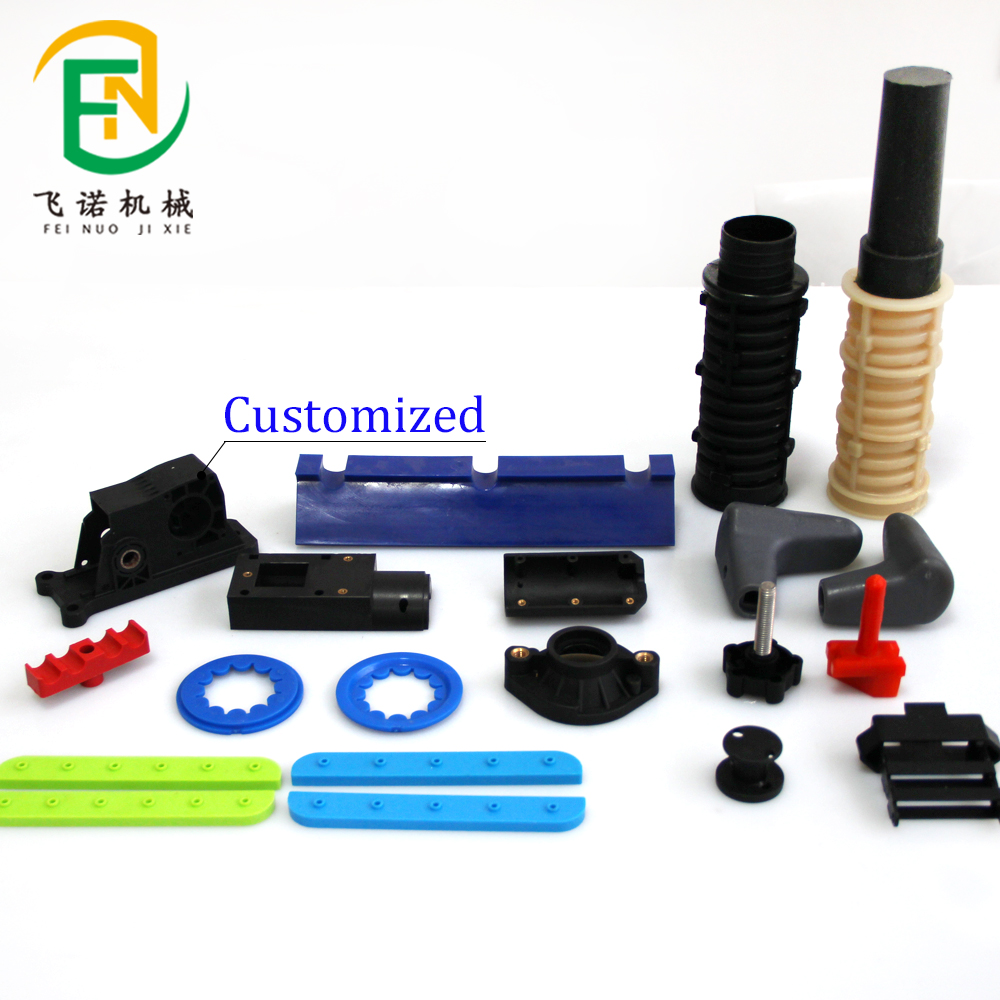
Building the Future of Cost-Effective Manufacturing
As industries push for smarter, faster, and greener production, injection molded part stands at the center of this evolution. Its unmatched combination of precision, scalability, and material efficiency makes it the foundation for cost-effective manufacturing strategies worldwide. From reducing waste and production time to enhancing durability and design flexibility, injection molding continues to redefine what is possible in modern production. For businesses seeking to maximize value while minimizing cost, embracing injection molded part is not just an option—it’s the key to sustainable success in the manufacturing future.