
- November 19, 2025
- Posted by: feinuojixie
- Category: Chain Guides News
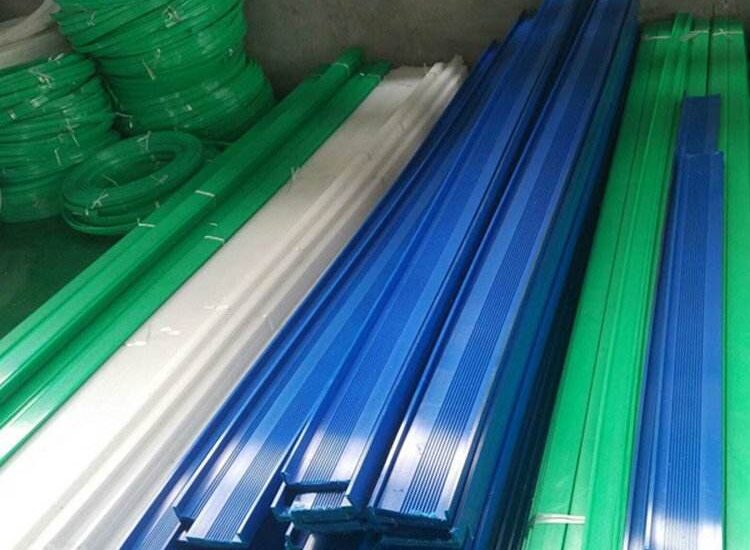
As modern manufacturing and distribution continue pushing toward higher automation, faster throughput, and lower operational cost, plastic guide rail has become a driving force behind the evolution of conveyor systems. Traditional guiding components made from metal are increasingly replaced by advanced engineering plastics that offer better performance, smoother product handling, and reduced wear on equipment. This shift is not simply a trend—it is a long-term transformation built on clear technical and economic advantages. From packaging lines to high-speed logistics centers, plastic guide rail is enabling conveyors to operate with greater accuracy, reliability, and efficiency.
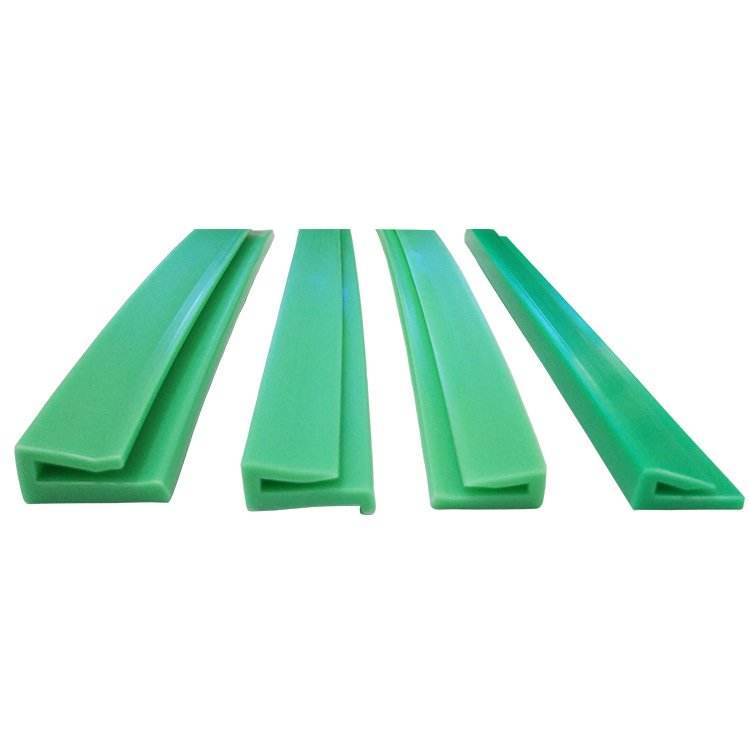
How Plastic Guide Rail Enhances Conveyor Efficiency
A major reason plastic guide rail is reshaping conveyor design is its ability to boost overall efficiency. By significantly reducing friction between the conveyed product and the guiding surface, plastic creates a smoother, more controlled flow. This improvement enables higher conveyor speeds without risking product instability or excessive wear. Lower friction also means that the conveyor motor exerts less effort, helping facilities reduce energy consumption over time.
Another key advantage is the stability it brings to product movement. Because plastic guide rail maintains consistent pressure and alignment, products experience fewer stoppages or jams. This reliable flow reduces downtime, increases throughput, and ensures that even high-volume lines operate with predictable performance. For industries where every minute counts, this stability is a major competitive benefit.
The Durability Advantage of Plastic Guide Rail Compared to Metal Options
While metal guide components have long been used in conveyor systems, plastic guide rail offers distinct durability advantages. Engineered plastics are formulated to resist wear, even in continuous high-speed applications. This resistance to abrasion ensures that the rail surface remains smooth and functional for far longer than traditional metal options.
In environments where moisture, chemicals, or cleaning agents are present, plastic guide rail also stands out. Unlike metal, plastic does not corrode, rust, or degrade under exposure to liquids. This makes it ideal for hygienic industries such as food processing and pharmaceuticals, where equipment must withstand frequent washdowns. By maintaining its integrity under harsh conditions, plastic guide rail extends the service life of the conveyor and reduces replacement costs.
Why Plastic Guide Rail Improves Safety and Product Protection
In many industries, protecting the product is just as important as moving it. Plastic guide rail offers a gentle, non-abrasive surface that prevents scratches, dents, or wear on delicate goods. From glass bottles to polished metal parts, products stay in better condition throughout the handling process.
Plastic guide rail also contributes to a quieter working environment. Because plastic absorbs vibration and generates less noise than metal, it creates a safer and more comfortable workplace for operators. Reduced noise levels are especially valuable in large facilities where multiple conveyor lines run simultaneously. Safer handling, quieter operation, and smoother transport all elevate workplace safety and reduce the risk of product damage.
The Flexibility of Plastic Guide Rail in Complex Conveyor Designs
Modern conveyor systems often require intricate layouts with tight curves, elevation changes, or custom guiding shapes. Plastic guide rail offers the flexibility needed to meet these design challenges. It can be machined, shaped, or formed into a wide range of profiles, allowing designers to achieve optimal flow for every product type.
Installation is also faster and easier due to the lightweight nature of plastic. Maintenance teams can replace or adjust guide rail sections with less effort, resulting in shorter downtime and lower maintenance cost. In fast-paced industries where line stoppages are costly, this ease of handling makes plastic guide rail especially valuable.
Cost Benefits: How Plastic Guide Rail Helps Reduce Overall Operating Expense
Cost reduction is another reason plastic guide rail is transforming conveyor systems. With its low-friction properties, plastic reduces drag and enables more efficient motor operation. Over time, this translates to measurable energy savings, especially in high-speed or long-distance conveyor applications.
Additionally, the long service life of plastic guide rail means fewer replacement cycles. Reduced wear, corrosion resistance, and minimal maintenance requirements lower both material and labor costs. Facilities that switch from metal to plastic often see a significant drop in total operating expense without sacrificing performance.
Applications Where Plastic Guide Rail Delivers Maximum Value
Plastic guide rail has become essential in a wide range of industries. Food and beverage packaging lines depend on its hygienic properties, smooth handling, and resistance to frequent cleaning. From bottles to cans, plastic guide rail ensures consistent movement without contamination or damage.
E-commerce and logistics centers benefit from the high-speed stability plastic provides. Sorting conveyors, distribution lines, and fulfillment systems rely on precise guiding to avoid product mix-ups or stoppages. Plastic guide rail offers the accuracy needed for large-scale, fast-moving operations.
In industrial manufacturing, plastic guide rail supports heavy-duty applications while maintaining long-term reliability. Whether transporting machined parts, molded components, or assembly items, plastic offers both durability and cost efficiency.

How to Choose the Right Plastic Guide Rail for Your Conveyor System
Selecting the proper plastic guide rail begins with understanding the material itself. UHMW, HDPE, and POM are among the most commonly used engineering plastics due to their strength, low friction, and wear resistance. Each material offers different benefits depending on the conveyor load, speed, and operating environment.
Design must also be matched to the product being conveyed. Factors such as size, weight, rigidity, and surface sensitivity determine the optimal guide rail shape and thickness. High-speed conveyors may require specialized profiles to maintain accuracy, while heavy products may need reinforced sections for stability. A thoughtful selection process ensures the guide rail maximizes both performance and longevity.
Why Plastic Guide Rail Will Continue to Shape the Future of Conveyor Technology
As automation continues expanding across manufacturing, packaging, and logistics, plastic guide rail is positioned to play an even larger role in future conveyor innovation. Its combination of efficiency, durability, safety, flexibility, and cost-effectiveness makes it a preferred choice over traditional metal options. By enabling smoother product flow, reducing operational cost, and supporting advanced conveyor designs, plastic guide rail is not just an upgrade—it is a transformative technology redefining how modern conveyor systems operate.