
- October 30, 2025
- Posted by: feinuojixie
- Category: Injection Molding News
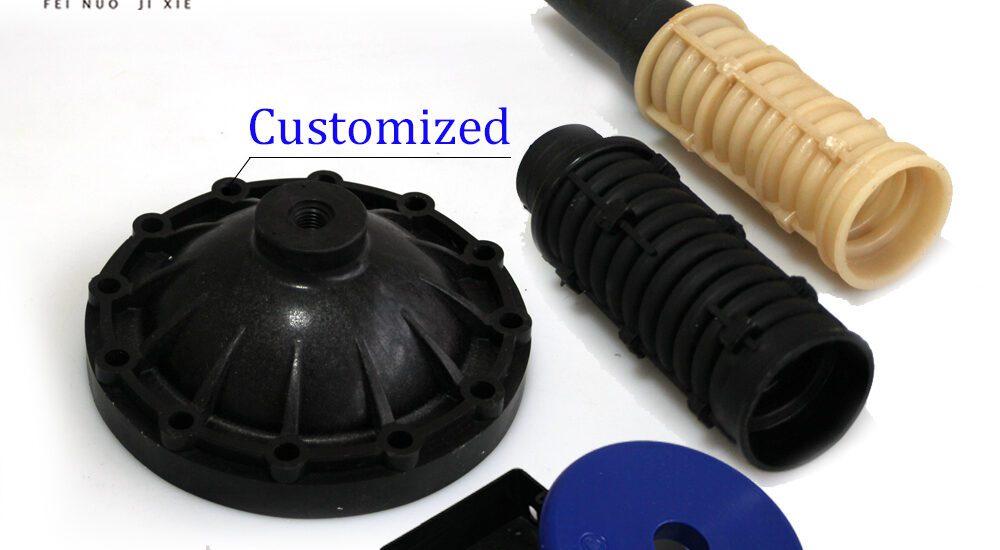
Plastic injection molding has rapidly emerged as one of the most efficient and cost-effective manufacturing processes. This technique, which involves injecting molten plastic into a mold to form precise parts, has become a cornerstone of modern manufacturing across various industries. One of the key reasons for its widespread adoption is the ability to produce high volumes of plastic injection molding parts with unmatched speed and consistency.
Plastic injection molding parts are not just integral to consumer goods, but are found in everything from automotive components to electronics, medical devices, and beyond. As industries continue to demand faster production times and lower costs, plastic injection molding remains at the forefront of manufacturing innovation.
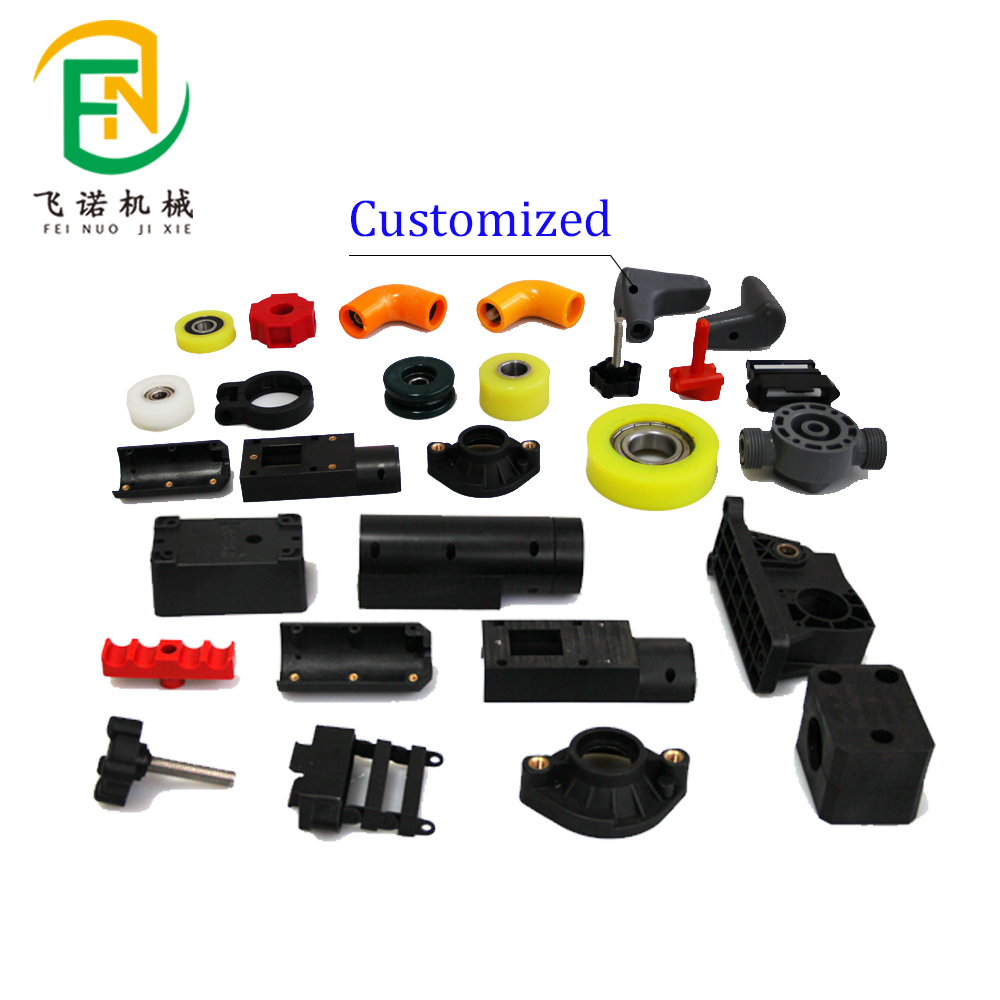
Cost-Efficiency and Speed: Key Benefits of Plastic Injection Molding Parts
One of the main reasons plastic injection molding parts are leading the way in manufacturing is the process’s cost-efficiency, especially when producing parts in high volumes. Once the mold is created, producing additional parts becomes relatively inexpensive. This makes injection molding an ideal solution for industries that require large quantities of identical parts. The ability to quickly manufacture numerous items in a short time reduces unit costs significantly, which is why many manufacturers turn to this process for mass production.
In addition to cost savings, the speed of production is another compelling advantage. The cycle time for creating plastic injection molding parts is often fast—typically taking just seconds to minutes, depending on the complexity of the part. This rapid production rate allows companies to meet tight deadlines and keep up with the demands of fast-paced industries, such as automotive and consumer electronics. For businesses that prioritize efficiency and speed, plastic injection molding is an invaluable asset.
Precision and Customization: The Power of Plastic Injection Molding Parts
Plastic injection molding parts are celebrated for their ability to achieve high levels of precision. The molds used in the process are crafted to extremely tight tolerances, meaning the parts produced are often very accurate, with minimal variance between units. This precision makes injection molding ideal for applications that require exact measurements and intricate details, such as small components for electronics or medical devices. The accuracy ensures that each part performs consistently, which is critical for maintaining quality in mass production.
Moreover, the versatility of plastic injection molding enables extensive customization. The molds can be designed to create parts in a wide range of shapes, sizes, and features. Whether it’s adding special textures to the surface of a part or integrating complex features like snap-fits or threads, plastic injection molding allows manufacturers to create parts that meet specific design needs. This flexibility in customization is a major reason why businesses prefer plastic injection molding parts, as it supports diverse product designs across multiple industries.
Durability and Strength: How Plastic Injection Molding Parts Enhance Product Lifespan
Durability is a defining characteristic of plastic injection molding parts. The materials used in the molding process—such as thermoplastics and composites—offer excellent strength and resistance to environmental factors like UV radiation, chemicals, and heat. These parts can withstand high-stress environments without degrading, making them perfect for industries such as automotive and aerospace, where safety and reliability are paramount.
In addition to their inherent durability, plastic injection molding parts are resistant to wear and tear. Because the parts are molded with tight tolerances, there is less risk of cracks, warping, or distortion over time. This ensures that the parts maintain their functionality and appearance throughout their lifespan. As a result, manufacturers can reduce the frequency of replacements, which leads to cost savings and improved product performance.
Sustainability and Environmental Impact of Plastic Injection Molding Parts
Sustainability has become an essential consideration in modern manufacturing, and plastic injection molding is no exception. One of the key environmental benefits of this process is the use of recyclable materials. Many thermoplastics used in injection molding can be recycled, reducing the overall environmental impact of production. This is especially important as industries strive to meet sustainability targets and minimize waste.
Additionally, advancements in plastic injection molding technology have led to more energy-efficient processes. The equipment used in modern injection molding is designed to consume less energy, which reduces the carbon footprint of manufacturing operations. As manufacturers continue to adopt greener practices, plastic injection molding will play an increasingly important role in creating environmentally responsible products.
Versatility in Applications: Industries Using Plastic Injection Molding Parts
The versatility of plastic injection molding parts has led to their widespread use across various industries. In the automotive sector, injection molding is used to produce a wide range of parts, from interior components like dashboards and trim pieces to functional parts like engine covers and bumpers. The ability to create both aesthetically pleasing and durable parts is a major reason why this process is so favored by automotive manufacturers.
Plastic injection molding is also critical in consumer goods, electronics, and medical device manufacturing. In electronics, injection molding is used to create complex housings for smartphones, computers, and other gadgets. Similarly, in the medical field, injection-molded parts are used in diagnostic equipment, drug delivery systems, and surgical instruments, where precision and sterility are crucial. The ability to create customized, high-precision parts makes plastic injection molding a go-to technology in these demanding fields.
Future Trends: Where Plastic Injection Molding Parts Are Heading
The future of plastic injection molding is poised for exciting advancements. As technology continues to evolve, new materials are being developed that offer enhanced properties, such as greater heat resistance or improved strength-to-weight ratios. These innovations will expand the range of applications for plastic injection molding, particularly in industries like aerospace and renewable energy.
Additionally, automation and smart manufacturing are transforming the injection molding industry. The integration of robotics, artificial intelligence, and machine learning into the molding process is increasing efficiency, precision, and flexibility. These technologies enable manufacturers to optimize production schedules, minimize waste, and enhance the quality control of each part. With Industry 4.0 driving innovation, the future of plastic injection molding looks brighter than ever.
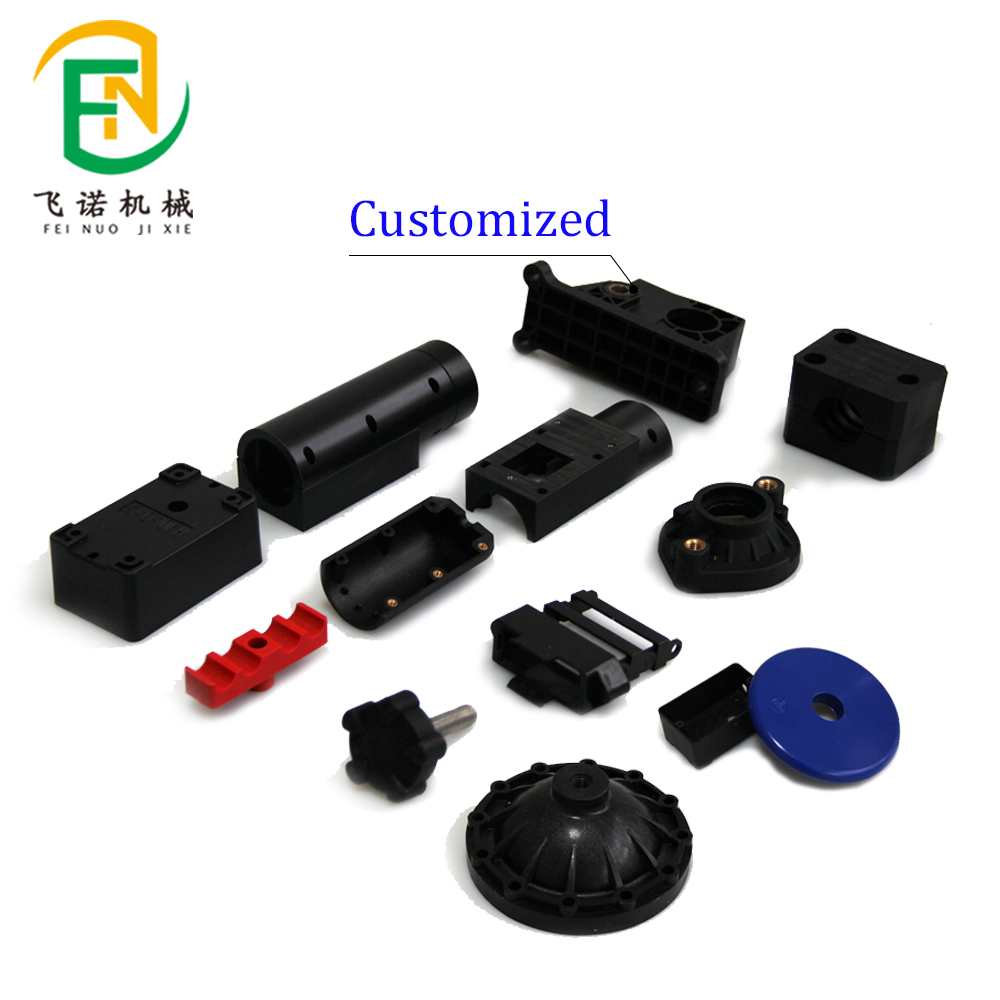
Why Plastic Injection Molding Parts Are Here to Stay
Plastic injection molding parts have proven to be a crucial element in modern manufacturing, offering unmatched benefits in terms of cost, speed, precision, durability, and sustainability. Their versatility in application across multiple industries, combined with ongoing technological advancements, ensures that plastic injection molding will remain a key player in shaping the future of manufacturing.
As businesses seek solutions that improve efficiency, reduce costs, and meet sustainability goals, the demand for plastic injection molding parts will continue to grow. For manufacturers, adopting plastic injection molding technology is not just a smart business decision—it’s a pathway to long-term success and innovation.