
- August 8, 2025
- Posted by: feinuojixie
- Category: Chain Guides News
No Comments
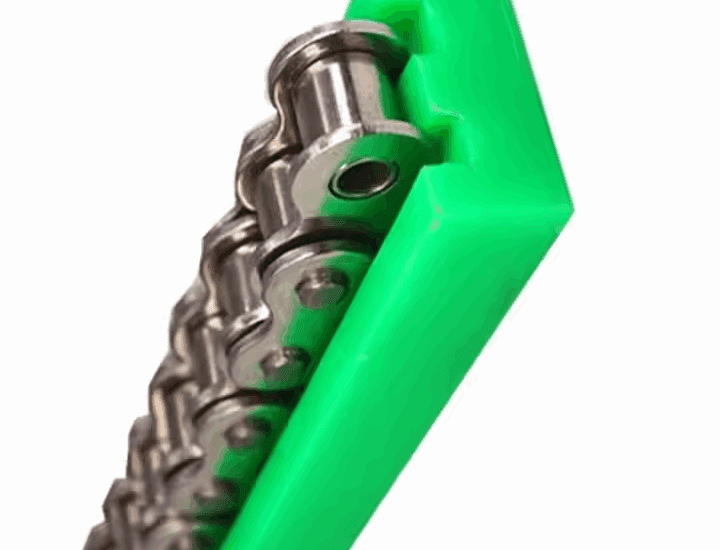
In the competitive landscape of modern manufacturing, the choice of components can make or break operational efficiency and product quality. One notable trend emerging among top manufacturers is the shift towards plastic roller guide rails. This blog post delves into the reasons behind this transition and explores the advantages that make plastic guide rails a game-changer in various industries.
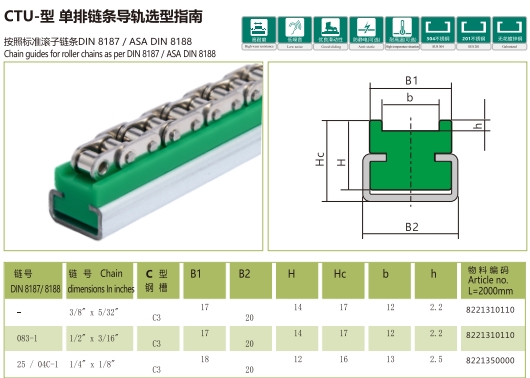
The Rise of Plastic Roller Guide Rails in Manufacturing
The manufacturing industry has witnessed a significant evolution in the use of guide rails over the years. Traditional metal guide rails, once the go-to option, are now facing competition from their plastic counterparts. Plastic roller guide rails have started to gain traction, with more and more leading manufacturers incorporating them into their production processes. This section will set the stage by highlighting the growing popularity of plastic guide rails and how they are disrupting the status quo.
Superior Performance Attributes
Exceptional Wear Resistance
Plastic roller guide rails offer remarkable wear resistance, outperforming many metal alternatives. Their ability to withstand friction and abrasion over extended periods ensures a longer lifespan, reducing the need for frequent replacements. This not only saves on maintenance costs but also minimizes downtime, keeping production lines running smoothly. The unique material properties of plastic enable it to maintain its structural integrity even under heavy loads and continuous use.
Low Friction and Smooth Operation
One of the key advantages of plastic guide rails is their low coefficient of friction. This allows for smooth and effortless movement of components along the rails, enhancing the precision and accuracy of manufacturing processes. Whether it’s in high-speed automated systems or delicate assembly operations, the reduced friction provided by plastic roller guide rails contributes to improved product quality and consistency. Additionally, the smooth operation reduces noise levels, creating a more comfortable working environment.
Chemical Resistance
In many manufacturing environments, components are exposed to various chemicals and solvents. Plastic roller guide rails exhibit excellent chemical resistance, making them suitable for use in industries such as pharmaceuticals, food processing, and electronics. Unlike metal guide rails, which may corrode or degrade when in contact with certain chemicals, plastic guide rails maintain their functionality and appearance, ensuring reliable performance in harsh conditions.
Cost-Effectiveness in the Long Run
Reduced Initial Investment
While the upfront cost of plastic roller guide rails may be comparable to or slightly higher than that of metal guide rails in some cases, the overall cost of ownership is significantly lower. Plastic guide rails require less complex manufacturing processes, which translates into lower production costs. This affordability makes them an attractive option for manufacturers looking to optimize their budgets without compromising on quality.
Lower Maintenance and Replacement Costs
As mentioned earlier, the exceptional wear resistance of plastic guide rails leads to longer service life. This, in turn, reduces the frequency of maintenance and replacement. Metal guide rails often require regular lubrication and are more prone to damage, resulting in higher maintenance expenses over time. By choosing plastic roller guide rails, manufacturers can save on maintenance costs and allocate resources to other critical areas of their operations.
Lightweight and Easy Installation
Enhanced Portability and Maneuverability
Plastic is inherently lighter than metal, and this characteristic is a major advantage when it comes to roller guide rails. The lightweight nature of plastic guide rails makes them easier to handle during installation and transportation. This not only reduces the risk of injury to workers but also allows for quicker and more efficient setup of machinery and equipment. In applications where mobility is required, such as in conveyor systems or robotic arms, the lightweight design of plastic guide rails enables greater flexibility and agility.
Simplified Installation Process
Installing plastic roller guide rails is a relatively straightforward process. Their design often allows for easy integration with existing machinery and systems, minimizing the need for extensive modifications. Additionally, plastic guide rails do not require complex alignment procedures, saving time and effort during installation. This simplicity makes them a convenient choice for manufacturers looking to upgrade their equipment or implement new production lines.
Environmental Friendliness
Recyclability
In an era of increasing environmental awareness, the recyclability of materials is a crucial factor. Plastic roller guide rails are often made from recyclable materials, which can be processed and reused at the end of their life cycle. This reduces waste generation and contributes to a more sustainable manufacturing process. By choosing plastic guide rails, manufacturers can demonstrate their commitment to environmental responsibility and meet the growing demand for eco-friendly products.
Energy Efficiency
The production of plastic guide rails generally requires less energy compared to metal guide rails. This energy efficiency not only helps to reduce the carbon footprint of manufacturing operations but also results in cost savings. As companies strive to become more sustainable, the energy-efficient nature of plastic roller guide rails offers an additional incentive for their adoption.
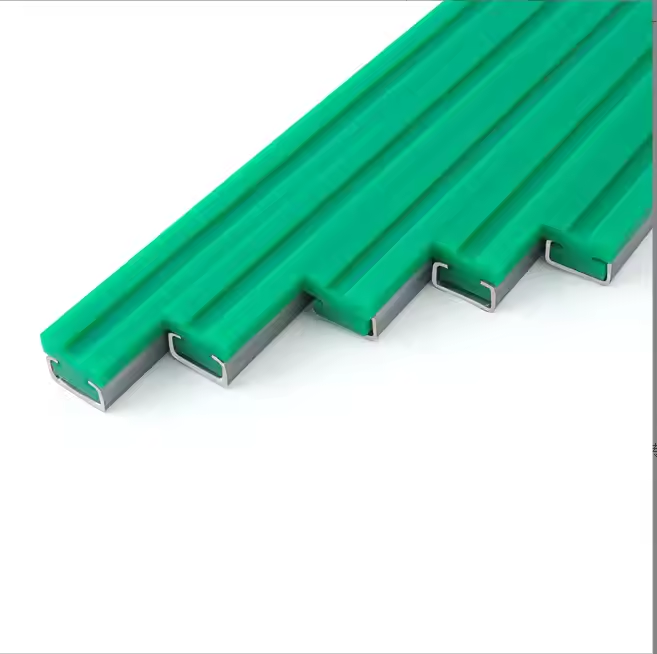
Versatility in Applications
Diverse Industry Applications
Plastic roller guide rails are suitable for a wide range of industries, from automotive and aerospace to consumer goods and medical devices. Their versatility allows them to be used in various applications, including linear motion systems, conveyor belts, and sliding doors. In the automotive industry, for example, plastic guide rails can be found in seat adjustment mechanisms and window regulators, providing smooth and reliable operation. In the medical field, they are used in equipment such as hospital beds and diagnostic machines, where precision and hygiene are of utmost importance.
Customization Options
Manufacturers can customize plastic roller guide rails to meet specific requirements. Whether it’s adjusting the size, shape, or material properties, plastic guide rails offer a high degree of flexibility. This customization ability allows companies to optimize their production processes and create products that are tailored to their unique needs. For instance, in the electronics industry, custom plastic guide rails can be designed to fit the precise dimensions of electronic components, ensuring secure and efficient handling during assembly.
The Future of Manufacturing with Plastic Roller Guide Rails
In conclusion, the shift towards plastic roller guide rails among top manufacturers is driven by a combination of factors, including superior performance, cost-effectiveness, lightweight design, environmental friendliness, and versatility. As technology continues to advance and the demand for more efficient and sustainable manufacturing solutions grows, plastic guide rails are likely to play an even more significant role in the future. Manufacturers who embrace this trend stand to gain a competitive edge by improving productivity, reducing costs, and enhancing the quality of their products.