
- September 23, 2025
- Posted by: feinuojixie
- Category: Chain Guides News

UHMW-PE, short for Ultra-High Molecular Weight Polyethylene, is a thermoplastic engineering plastic renowned for its extraordinary molecular weight, typically exceeding 1 million. This high molecular weight endows it with a unique set of properties that set it apart from other materials. A UHMW-PE wear strip is a component made from this remarkable material, designed to provide exceptional wear resistance in various applications.
In recent years, UHMW-PE wear strips have been increasingly favored in food applications. The food industry has strict requirements for materials in contact with food, and UHMW-PE wear strips meet these demands well, making them an ideal choice for a wide range of food processing and handling equipment.
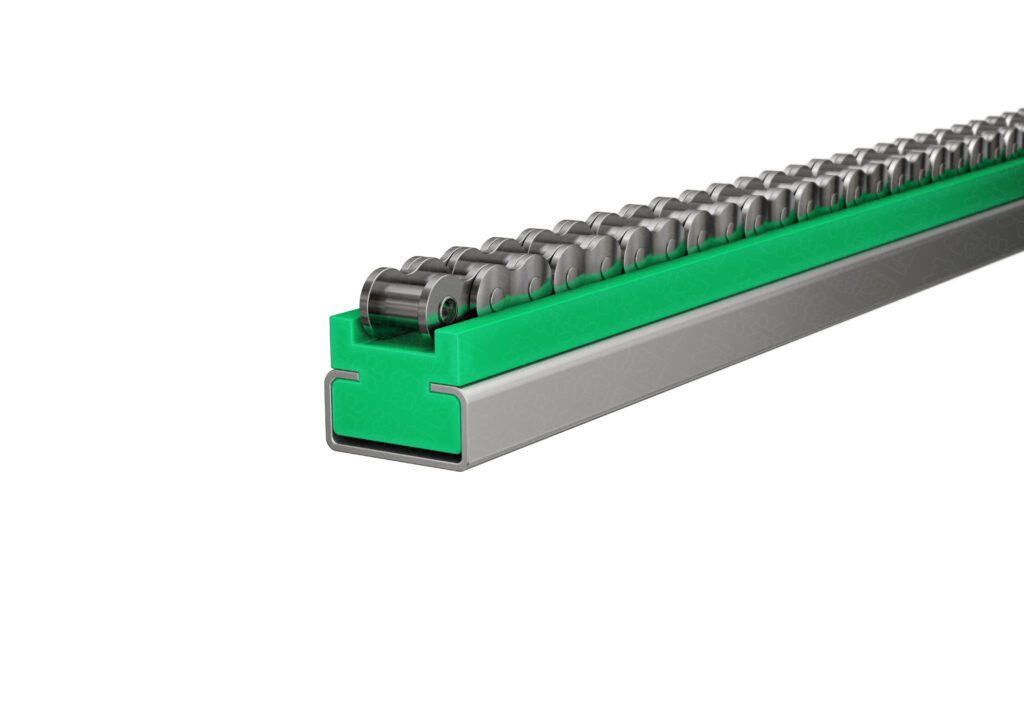
Exceptional Properties of UHMW-PE Wear Strip
High Wear Resistance
UHMW-PE wear strips are renowned for their outstanding wear resistance. Their high molecular weight structure results in a material that can endure a remarkable amount of friction without significant degradation. When compared to traditional materials like metal or ordinary plastics, UHMW-PE wear strips can last much longer in food equipment applications. For instance, in conveyor systems that continuously transport food products, metal wear strips may quickly show signs of wear due to the constant rubbing against the conveyed items. In contrast, UHMW-PE wear strips maintain their integrity over extended periods. This high wear resistance ensures that the food equipment remains in optimal working condition, reducing the need for frequent replacements. As a result, it minimizes production downtime and enhances the overall efficiency of food processing operations.
Excellent Chemical Resistance
In the food industry, equipment often comes into contact with various chemical substances such as detergents, disinfectants, and acidic or alkaline cleaning agents. UHMW-PE wear strips exhibit excellent chemical resistance, which means they do not corrode, dissolve, or degrade when exposed to these chemicals. This property is crucial as it ensures that the wear strips do not contaminate the food products during processing. For example, when cleaning food processing equipment with strong detergents, UHMW-PE wear strips will not react with the detergent, maintaining their shape and functionality. This not only safeguards the quality and safety of the food but also allows for effective cleaning and sanitation of the equipment, which is essential for meeting food industry regulations.
Self – Lubricating Feature
One of the most advantageous features of UHMW-PE wear strips is their self – lubricating nature. Unlike many other materials, UHMW-PE does not require additional lubricants to reduce friction. This is a significant benefit in food applications as it eliminates the risk of lubricant contamination in food products. In food processing machinery, if external lubricants are used, there is a potential for them to come into contact with the food, leading to safety issues. With UHMW-PE wear strips, this concern is alleviated. Moreover, the self – lubricating property also contributes to smoother operation of the equipment. It reduces the energy required for moving parts to function, resulting in lower power consumption. Additionally, since there is no need to apply and maintain external lubricants, the maintenance cost of the food equipment is significantly reduced.
Hygienic and Non – Toxic Nature
UHMW-PE wear strips are highly hygienic and non – toxic, making them perfectly suited for food applications. They meet the strictest hygiene standards set by the food industry. The raw materials used in UHMW-PE production are non – toxic, and the manufacturing process ensures that no harmful substances are introduced. This non – toxicity means that there is no risk of chemical migration into food products, even when in long – term contact. In addition, UHMW-PE has a smooth surface that is difficult for bacteria and other microorganisms to adhere to. This reduces the risk of microbial contamination in food processing environments. For example, in food packaging machines, UHMW-PE wear strips can be used without worry about affecting the purity and safety of the packaged food, providing food manufacturers with a reliable and safe material choice.
Applications of UHMW-PE Wear Strip in the Food Industry
Conveyor Systems
In food production lines, conveyor systems are the arteries that ensure the continuous flow of food products from one processing stage to another. UHMW-PE wear strips play a vital role in these conveyor systems. They are installed on the edges or contact points of conveyor belts to guide the movement of the belts and support the conveyed food items. The high wear resistance of UHMW-PE wear strips allows them to withstand the constant friction caused by the movement of the conveyor belt and the weight of the food products. This ensures smooth transportation of food, reducing the risk of product jams or spills. For example, in a bakery, bread loaves are continuously conveyed on a belt. The UHMW-PE wear strips prevent the belt from fraying due to the repeated contact with the bread, ensuring that the bread moves steadily without being damaged. By reducing the wear of the conveyor belt, the need for frequent belt replacements is minimized, leading to cost savings and increased production efficiency.
Packaging Machinery
Processing Equipment
Food processing equipment like mixers, cutters, and grinders also benefit greatly from the use of UHMW-PE wear strips. In mixers, the wear strips are installed on the agitator blades and the inner walls of the mixing containers. The high wear resistance of UHMW-PE ensures that the blades can operate smoothly for a long time, even when mixing viscous or abrasive food ingredients. This helps to maintain the quality and consistency of the food products being processed. For example, in a pasta factory, the mixers use UHMW-PE wear strips to handle the tough dough without getting worn out quickly. In cutters, UHMW-PE wear strips are used to support the cutting blades and guide the movement of the food items being cut. Their self – lubricating feature reduces the force required for cutting, resulting in cleaner cuts and better – quality food products. Additionally, the hygienic nature of UHMW-PE wear strips ensures that no contaminants are introduced into the food during the processing, safeguarding the integrity of the food products.
Cost – Effectiveness of UHMW-PE Wear Strip
At first glance, the initial purchase cost of UHMW-PE wear strips might seem higher compared to some traditional materials like common plastics or certain metals. However, when considering the long – term usage in food applications, UHMW-PE wear strips prove to be highly cost – effective.
The high wear resistance of UHMW-PE wear strips significantly extends their service life. In food processing equipment, this means fewer replacements over time. For example, if a metal wear strip in a food conveyor system needs to be replaced every few months due to wear and tear, a UHMW-PE wear strip can last for several years under the same operating conditions. The cost savings from reduced replacement frequency are substantial, especially when considering the cost of the replacement parts themselves, as well as the labor cost associated with the replacement process.
Moreover, the maintenance requirements for UHMW-PE wear strips are minimal. Their self – lubricating property eliminates the need for regular lubricant application and the associated costs, including the cost of lubricants and the labor for lubricant maintenance. Additionally, because UHMW-PE wear strips do not corrode or degrade easily due to their excellent chemical resistance, there is no need for costly corrosion – prevention measures or repairs due to chemical damage. Overall, while the upfront investment in UHMW-PE wear strips may be a bit more, the long – term cost savings in terms of replacements, maintenance, and potential production losses due to equipment failures make them a far more cost – effective choice for food applications.
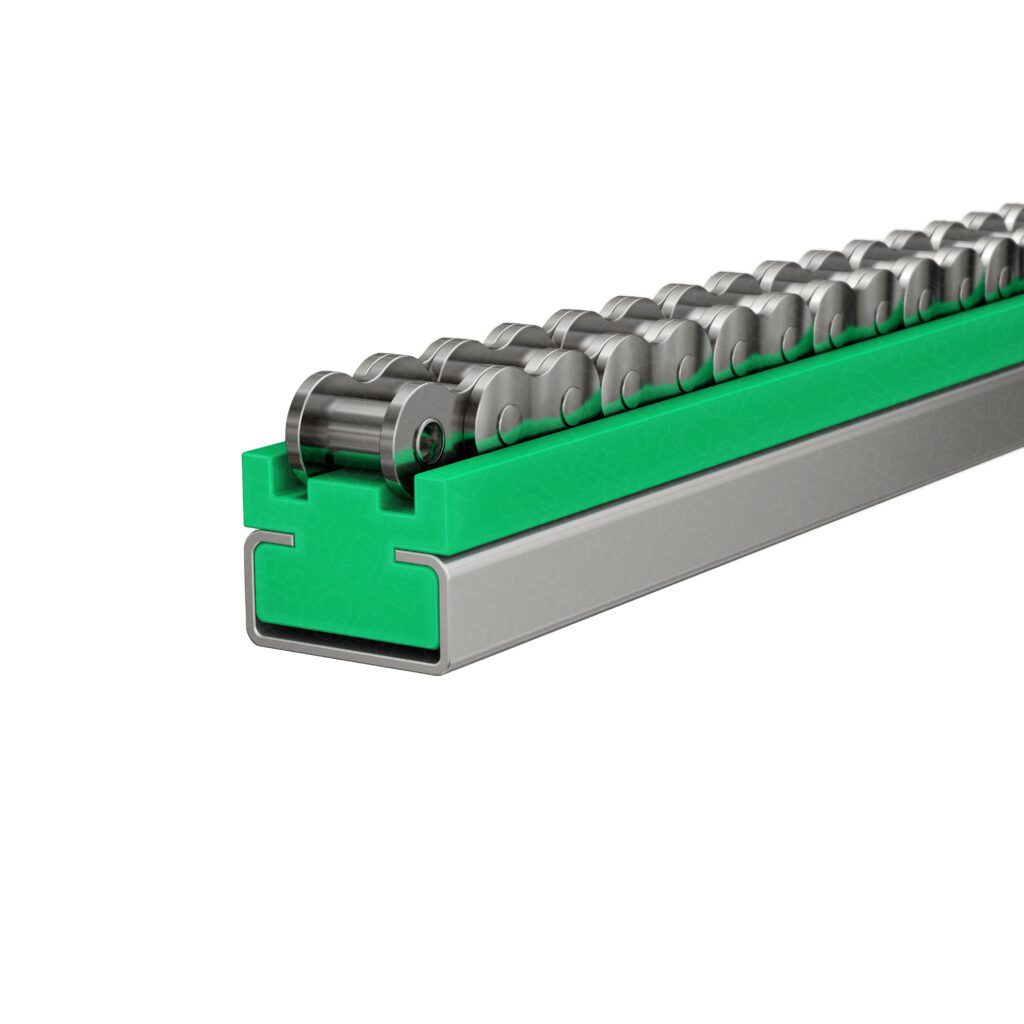
Comparison with Other Materials
When considering materials for food applications, it’s crucial to compare UHMW-PE wear strips with other commonly used materials to fully understand their superiority.
Metal Wear Strips
Metals, such as stainless steel, have been traditional choices for some food equipment components due to their strength. However, in terms of wear resistance in the long run, they often fall short compared to UHMW-PE wear strips. Metal wear strips are prone to scratching and denting under the continuous friction in food conveyor systems or processing equipment. For example, in a food canning factory, the metal wear strips on the conveyor that moves cans can get scratched by the edges of the cans over time. This not only reduces the lifespan of the wear strips but also poses a risk of metal particles contaminating the food products. Additionally, metals are generally heavier than UHMW-PE, which can add unnecessary weight to the food equipment and increase energy consumption during operation.
Ordinary Plastic Wear Strips
Ordinary plastics may seem like a cost – effective option at first glance. But they lack many of the key properties that UHMW-PE wear strips possess. Their wear resistance is much lower, and they are more likely to degrade quickly when exposed to the harsh conditions in the food industry, such as contact with various chemicals during cleaning. For instance, common PVC plastics used in some low – cost food equipment may start to crack or break down when in contact with strong detergents. In terms of hygiene, ordinary plastics often have a rougher surface texture compared to UHMW-PE, providing more opportunities for bacteria and other contaminants to adhere and multiply. This can lead to food safety issues and potentially costly product recalls.
Rubber Wear Strips
Rubber is another material sometimes used in food applications. While rubber has some flexibility and shock – absorption properties, it also has significant drawbacks compared to UHMW-PE wear strips. Rubber is more likely to absorb moisture, which can cause it to swell and deteriorate over time. In a food processing environment with high humidity, rubber wear strips may become soft and lose their shape, affecting the performance of the equipment. Moreover, rubber may emit odors or chemicals that can potentially contaminate food products, especially when exposed to heat or during long – term use. In contrast, UHMW-PE wear strips remain stable under various environmental conditions and do not pose such contamination risks.
Challenges and Solutions in Using UHMW-PE Wear Strip
While UHMW-PE wear strips offer numerous advantages for food applications, like any material, they also face certain challenges in specific operating conditions.
One of the potential challenges is related to high – temperature environments. Although UHMW-PE has a relatively good heat resistance, in some food processing operations where temperatures can rise significantly, such as in certain baking or hot – filling processes, the properties of UHMW-PE may be affected. At high temperatures, there could be a slight decrease in its mechanical strength and wear – resistance performance. This might lead to faster wear of the wear strip or a change in its dimensions, which could impact the proper functioning of the food equipment.
Another challenge is the potential for static electricity build – up. In food handling and processing, static electricity can attract dust and other contaminants, which is a concern for food safety. UHMW-PE, being a polymer, has the tendency to accumulate static charges during the movement of food products or the operation of equipment.
However, these challenges can be effectively addressed with appropriate solutions. To deal with high – temperature issues, choosing the right grade or formulation of UHMW-PE wear strip is crucial. Some manufacturers offer UHMW-PE materials specifically engineered for high – temperature applications, which have enhanced heat – resistant properties. Additionally, improving the heat – dissipation mechanisms in the food equipment can help. For example, installing better ventilation systems or heat sinks near the areas where UHMW-PE wear strips are used can keep the temperature within an acceptable range.
To mitigate static electricity problems, anti – static additives can be incorporated into the UHMW-PE material during the manufacturing process. These additives help to dissipate the static charges, reducing the risk of contamination. Another solution is to ensure proper grounding of the food equipment. By connecting the equipment to a grounding system, the static charges can be safely transferred away, maintaining a clean and safe food – processing environment.

The Indispensable UHMW-PE Wear Strip in Food Applications
In conclusion, UHMW-PE wear strips have proven to be an indispensable component in the food industry. Their exceptional properties, wide – ranging applications, cost – effectiveness, and superiority over other materials make them the best choice for food applications.
The high wear resistance, excellent chemical resistance, self – lubricating feature, and hygienic and non – toxic nature of UHMW-PE wear strips address the critical needs of food processing and handling. They ensure the smooth operation of food equipment, protect the quality and safety of food products, and meet the strict hygiene standards of the food industry.
From conveyor systems to packaging machinery and processing equipment, UHMW-PE wear strips play a vital role in enhancing the efficiency and reliability of food production lines. Their long – term cost – effectiveness, despite a slightly higher initial cost, is a significant advantage for food manufacturers looking to optimize their operations.
While there are challenges in high – temperature environments and static electricity build – up, these can be effectively overcome with appropriate solutions. As the food industry continues to grow and evolve, demanding higher – quality products and more efficient production processes, UHMW-PE wear strips will undoubtedly remain at the forefront of material choices. Food enterprises are highly encouraged to adopt UHMW-PE wear strips to take full advantage of their benefits and drive the development of the food industry towards greater heights of efficiency and safety.