
- September 30, 2025
- Posted by: feinuojixie
- Category: Chain Guides News
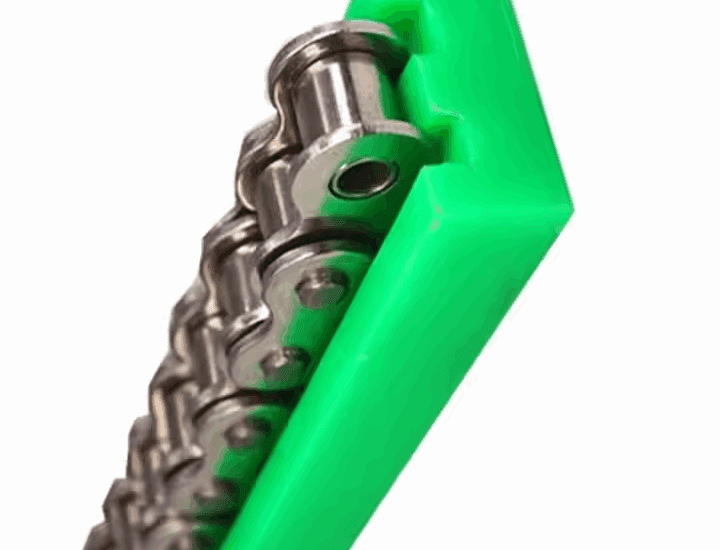
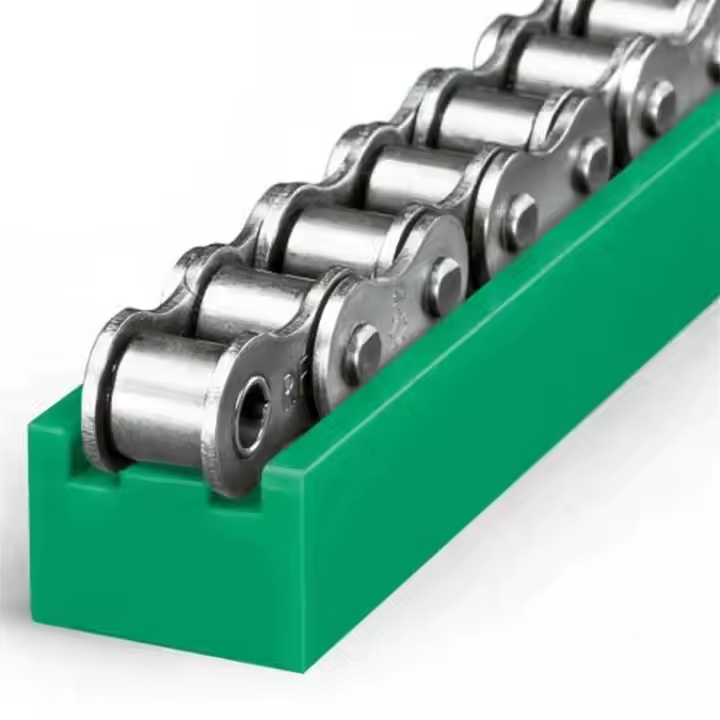
The Core Functions of a Guide Wear Strip
1. Precision Guidance
2. Reducing Friction and Wear
3. Shock Absorption and Vibration Dampening
Machinery often experiences vibrations and shocks during operation. Guide wear strips are designed to absorb these vibrations and shocks, enhancing the stability and reliability of the machinery. In an automobile engine, for example, the pistons move rapidly up and down within the cylinders. The guide wear strips installed on the cylinder walls help to absorb the lateral forces and vibrations generated by the pistons. This not only reduces the noise and vibration levels in the engine but also prevents premature wear of the piston rings and cylinder walls. In industrial machinery such as presses and forging equipment, which are subject to high – impact forces during operation, guide wear strips with good shock – absorbing properties are essential. They can help to distribute the impact forces evenly, preventing localized damage to the components. Additionally, by dampening vibrations, guide wear strips contribute to the overall smooth operation of the machinery. This is particularly important in precision – based industries, where even the slightest vibration can affect the quality of the products being produced. For example, in a printing press, vibrations can cause misalignment of the printing plates, resulting in blurred or misprinted images. Guide wear strips help to keep the moving parts of the press stable, ensuring high – quality printing output.
Types of Guide Wear Strips in the Machinery World
1. Material – Based Classification
- Metal Guide Wear Strips: Metals like steel and aluminum are sometimes used for guide wear strips. Steel guide wear strips offer high strength and durability. They can withstand heavy loads and are suitable for industrial machinery that operates under extreme conditions, such as large – scale manufacturing equipment. For example, in a steel rolling mill, the guide wear strips need to endure the high – pressure and high – temperature environment during the rolling process. Steel strips can meet these requirements. However, they also have some drawbacks. They tend to have a relatively high coefficient of friction compared to some other materials, which can lead to increased energy consumption and more significant wear on the mating components over time. Additionally, metal guide wear strips are more prone to corrosion in certain environments, especially if exposed to moisture or chemicals.
- Plastic Guide Wear Strips: High – density polyethylene (HDPE) and polyurethane are popular plastic materials for guide wear strips. HDPE guide wear strips are known for their low coefficient of friction. This makes them ideal for applications where smooth movement is crucial, such as in conveyor systems. They can reduce the amount of force required to move the conveyor belt, saving energy. HDPE is also resistant to many chemicals, which is beneficial in industries where the machinery may come into contact with corrosive substances, like the chemical processing industry. Polyurethane guide wear strips, on the other hand, offer excellent abrasion resistance. They can handle high – speed and high – load applications better than some other plastics. In printing presses, where the moving parts need to be precise and durable, polyurethane guide wear strips are often used. But plastic guide wear strips may have limitations in terms of temperature resistance. They may deform or lose their properties at high temperatures, so they are not suitable for all environments.
- Composite Guide Wear Strips: Composite materials combine the advantages of different materials to create a more versatile guide wear strip. For instance, some composites are made by embedding fibers, such as carbon fiber or glass fiber, in a polymer matrix. These composite guide wear strips offer a good balance of strength, low friction, and corrosion resistance. Carbon fiber – reinforced composites, for example, have high strength – to – weight ratios, which means they can be lightweight while still being able to withstand significant loads. They are often used in high – performance machinery, like aerospace equipment, where weight reduction is crucial. However, composite guide wear strips can be more expensive to manufacture compared to single – material strips, which may limit their use in some cost – sensitive applications.
2. Structural Design Variations
- Single – Row Guide Wear Strips: Single – row guide wear strips are the simplest in structure. They consist of a single row of wear – resistant material placed along the guiding surface. They are commonly used in applications where space is limited and the load requirements are not extremely high. In small – scale precision machinery, such as some types of measuring instruments or small – sized lathes, single – row guide wear strips can provide sufficient guidance and wear resistance. Their simple structure makes them easy to install and replace, which is beneficial for maintenance. However, they may not be able to handle heavy lateral loads as effectively as some other designs.
- Double – Row Guide Wear Strips: Double – row guide wear strips have two rows of wear – resistant material. This design offers increased load – carrying capacity compared to single – row strips. In industrial conveyor systems that need to transport heavy loads, double – row guide wear strips can better support the weight of the conveyed materials and the conveyor belt itself. They can also provide better stability when the conveyor is moving at high speeds or when there are vibrations. The two – row structure helps to distribute the forces more evenly, reducing the wear on each individual strip. But double – row guide wear strips take up more space, so they are not suitable for applications with tight space constraints.
- Multi – Row Guide Wear Strips: Multi – row guide wear strips, as the name implies, have more than two rows of wear – resistant material. These are typically used in heavy – duty machinery where extremely high load – bearing capacity is required. In large – scale mining equipment, such as massive conveyor belts in mines that transport large amounts of ore, multi – row guide wear strips can handle the substantial weight and continuous operation. They offer enhanced stability and durability under harsh conditions. However, their complex structure makes them more difficult to install and maintain, and they are also more costly.
- Spiral – Structured Guide Wear Strips: Spiral – structured guide wear strips have a unique design where the wear – resistant material is arranged in a spiral pattern. This design provides continuous contact and support along the guiding path. In some high – precision rotary machinery, such as certain types of turbines, spiral – structured guide wear strips can ensure smooth and stable rotation. They can also effectively absorb vibrations and shocks in rotational motion. The spiral structure helps to evenly distribute the forces generated during rotation, reducing the risk of uneven wear. But the manufacturing process of spiral – structured guide wear strips is more complex, which can increase their production cost.
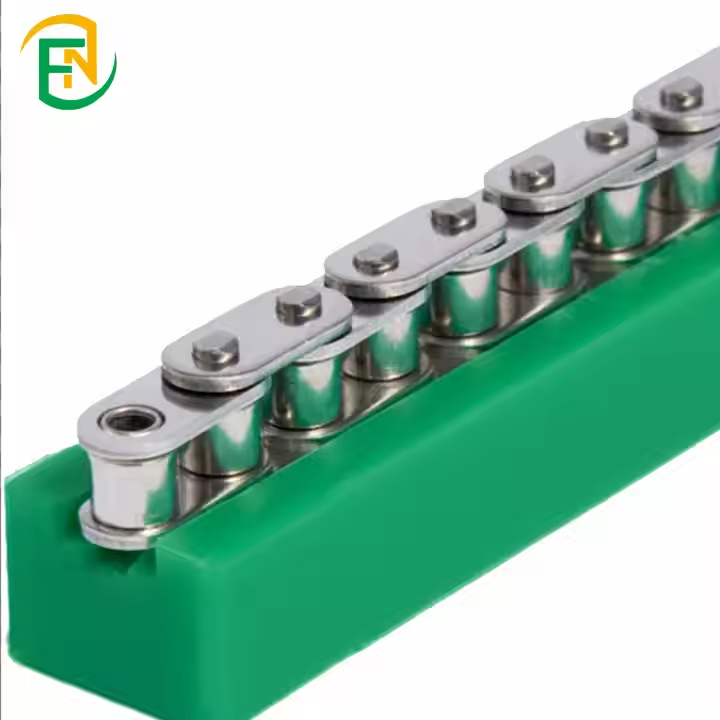
The Consequences of Neglecting a Guide Wear Strip
1. Performance Degradation
When a guide wear strip is neglected or not installed at all, the performance of the machinery can degrade significantly. Precision – related issues are among the first to arise. For example, in a CNC (Computer Numerical Control) machining center, without a proper guide wear strip, the movement of the cutting tool axes may not be as precise as required. This can lead to inaccuracies in the dimensions of the machined parts. Tolerances that are supposed to be within a few micrometers can deviate by several times that amount, rendering the parts unusable.
Speed stability is also affected. In conveyor systems, the conveyor belt may start to move unevenly without the smooth – guiding function provided by the guide wear strip. This can cause jams as the belt may slip or move too slowly in some sections and too fast in others. The overall efficiency of the production line that relies on the conveyor system will be reduced. In high – speed printing presses, the absence of guide wear strips can lead to misalignment of the printing rollers. This results in blurred or misprinted images, as the rollers are not moving in a synchronized and stable manner.
2. Higher Maintenance Costs
The lack of a guide wear strip can lead to a substantial increase in maintenance costs. When moving parts are not properly guided and protected, the rate of wear and tear on these components accelerates. For instance, in a manufacturing machine where metal components slide against each other without the buffer of a guide wear strip, the surfaces of these components will experience more significant abrasion. This abrasion can cause grooves to form on the sliding surfaces, which in turn requires frequent replacement of the damaged parts.
Moreover, the increased friction due to the absence of a guide wear strip can lead to overheating of the components. Overheating can cause the materials to expand and warp, further exacerbating the damage. In an industrial fan, if the bearings and shafts do not have guide wear strips to reduce friction, they may overheat. This can lead to the need for expensive repairs, such as replacing the bearings, shafts, and even the motor if the overheating has caused damage to it. The frequency of maintenance checks also increases. Workers need to spend more time inspecting the machinery for signs of excessive wear and tear, which is a cost in terms of both labor and the downtime of the machinery.
3. Shorter Machinery Lifespan
The absence of a guide wear strip can significantly reduce the overall lifespan of the machinery. Consider a large – scale industrial crane. The trolley that moves along the crane’s beam relies on guide wear strips for smooth movement. Without these strips, the metal wheels of the trolley will directly rub against the beam. Over time, this continuous friction will cause severe wear on both the wheels and the beam. In a case where a crane was operating without guide wear strips, the wheels had to be replaced every few months, and the beam showed signs of significant wear within a year. After installing high – quality guide wear strips, the wheels only needed replacement once a year, and the wear on the beam was greatly reduced, extending the overall lifespan of the crane by several years.
In a textile machine, the moving parts that shuttle the threads back and forth need guide wear strips to function smoothly. Without them, the parts can experience rapid wear and misalignment. This can lead to frequent breakdowns, and over time, the machine may become too damaged to repair cost – effectively. By contrast, textile machines with properly maintained guide wear strips can operate for many years without major structural failures, ensuring a longer and more productive lifespan for the machinery.
How to Choose the Right Guide Wear Strip
1. Consider the Machinery’s Working Conditions
When selecting a guide wear strip, the machinery’s working conditions are a crucial factor. In high – temperature environments, such as in steel foundries or glass manufacturing plants, the guide wear strip needs to have excellent heat resistance. Metal guide wear strips may be a more suitable option in these cases, as some plastics can soften or deform at high temperatures. For example, in a steel foundry where the temperature can reach several hundred degrees Celsius, steel guide wear strips can maintain their structural integrity and functionality.
In humid or wet environments, like those in food processing plants or some parts of the automotive manufacturing industry where water – based coolants are used, corrosion resistance is essential. Plastic guide wear strips made of materials like HDPE, which is resistant to moisture and many chemicals, would be a better choice. They can prevent rust and corrosion that could otherwise affect the performance of the machinery.
The load the machinery bears also plays a significant role. Heavy – duty machinery, such as large – scale mining equipment or construction machinery, requires guide wear strips with high load – bearing capacity. Multi – row or metal guide wear strips are often used in these applications. In a large – scale mining conveyor that transports tons of ore, multi – row guide wear strips can handle the substantial weight and continuous operation, ensuring the smooth movement of the conveyor belt.
2. Compatibility with Other Components
Ensuring the compatibility of the guide wear strip with other mechanical components is of utmost importance. A guide wear strip that is not compatible can lead to a host of problems, including increased wear and tear on both the strip and the mating components, as well as reduced performance of the machinery.
To ensure compatibility, first, consider the material of the other components in contact with the guide wear strip. For example, if the machinery has metal components that slide against the guide wear strip, the material of the strip should be chosen in a way that minimizes friction and wear on both surfaces. A plastic guide wear strip with a low coefficient of friction, like HDPE, can be a good match for metal components as it reduces the amount of force required for movement and thus minimizes wear.
Second, the dimensions of the guide wear strip must be carefully selected. It should fit precisely into the designated area on the machinery. In a machine tool, the guide wear strip needs to have the correct width and length to ensure proper alignment with the linear slides. If the strip is too wide or too narrow, it can cause misalignment, which in turn can lead to uneven wear and inaccurate movement of the tool.
Finally, check the compatibility of the guide wear strip with any lubricants or coatings used on the machinery. Some lubricants may react with certain materials of the guide wear strip, causing degradation. For instance, certain types of oil – based lubricants may not be suitable for some plastic guide wear strips, as they can cause the plastic to swell or lose its mechanical properties.
3. Quality and Cost – Benefit Analysis
When choosing a guide wear strip, it’s essential to strike a balance between quality and cost. While it may be tempting to opt for the cheapest option available, a low – quality guide wear strip can end up costing more in the long run due to frequent replacements and the associated downtime of the machinery.
Look for guide wear strips from reputable manufacturers. These manufacturers often use high – quality materials and advanced manufacturing processes, resulting in products with better performance and durability. For example, a well – known brand of polyurethane guide wear strips may have better abrasion resistance and a longer lifespan compared to a generic, low – cost alternative.
However, cost is also a factor, especially for businesses operating on a tight budget. One way to achieve a good cost – benefit ratio is to consider the specific requirements of the machinery. If the machinery is used in a low – load, low – speed application, a less expensive guide wear strip made of a suitable plastic material may be sufficient. On the other hand, for high – performance and critical applications, investing in a higher – quality guide wear strip is more justifiable.
Another tip is to buy in bulk. Many suppliers offer discounts when purchasing a larger quantity of guide wear strips. This can help to reduce the overall cost per unit, making it a cost – effective option for businesses that need a regular supply of these components. Additionally, consider the maintenance costs associated with the guide wear strip. A higher – quality strip may require less frequent maintenance, saving both time and money in the long term.
Embrace the Power of the Guide Wear Strip
In conclusion, the guide wear strip is far from being a negligible component in machinery. Its functions, ranging from providing precision guidance and reducing friction to absorbing shocks and vibrations, are fundamental to the smooth and efficient operation of any mechanical system.
Neglecting the guide wear strip can lead to a cascade of negative consequences, including performance degradation, higher maintenance costs, and a significantly shorter machinery lifespan. These issues not only affect the productivity of the machinery but also result in financial losses for businesses.
When choosing a guide wear strip, considering the machinery’s working conditions, compatibility with other components, and conducting a thorough quality and cost – benefit analysis are essential steps. By making the right choice, you can maximize the benefits that the guide wear strip offers.
So, whether you are a machinery operator, a maintenance technician, or a business owner, it’s time to embrace the power of the guide wear strip. Ensure that your machinery is equipped with the right guide wear strip, maintain it properly, and enjoy the advantages of enhanced performance, reduced costs, and a longer – lasting machinery investment. Your machinery will thank you for it, and your operations will run more smoothly than ever before.